The last batch of 2021 CollectA Prehistoric Life models are in stock at Everything Dinosaur. The last of the new for 2021, not-to-scale CollectA figures, the Elasmosaurus, the ammonite Pravitoceras and the mini dinosaurs model set 3 are now available from the 5-star rated, UK-based mail order company.
Some of the new for 2021 CollectA prehistoric life models. The new heteromorph ammonite Pravitoceras (top left), the CollectA Elasmosaurus model (top right) and (lower right) the CollectA Mini Dinosaurs set 3. Picture credit: Everything Dinosaur.
Picture credit: Everything Dinosaur
CollectA Mollusc Models
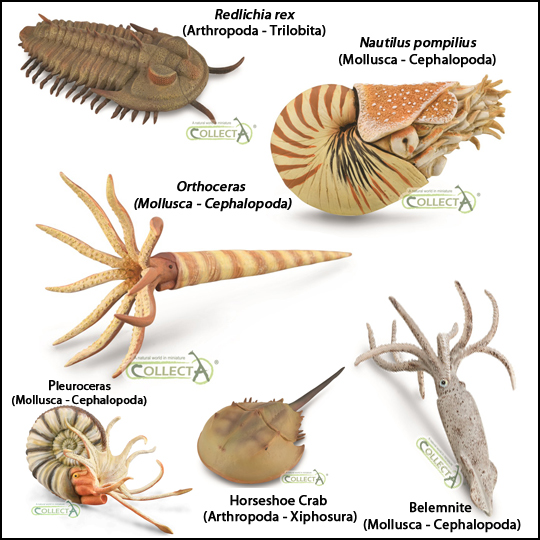
The new CollectA heteromorphic ammonite Pravitoceras joins a growing line-up of invertebrate models in the Prehistoric Life range. Molluscs are particularly well-represented with a homomorphic (planispiral, regularly coiled shells) ammonite Pleuroceras, a belemnite, a nautilus (N. pompilius) and an Orthoceras replica already in the range.
New CollectA arthropods and cephalopods. The new for 2021 ammonite model – Pravitoceras continues the trend of CollectA introducing replicas of important zonal fossils that assist with the dating of strata (biostratigraphy). Picture credit: Everything Dinosaur.
Picture credit: Everything Dinosaur
CollectA Elasmosaurus and Other Elasmosaurids
The new CollectA Elasmosaurus is the second elasmosaurid replica to be added to the CollectA Prehistoric Life range and the third member of the Elasmosauridae family to be represented by a CollectA figure. There was a replica of Hydrotherosaurus introduced in 2008, it was joined by the Elasmosaurus in the not-to-scale Prehistoric Life range, whilst in the CollectA Deluxe series, a replica of Thalassomedon was added in 2016.
Members of the Elasmosauridae family represented by CollectA models. The new for 2021 CollectA Elasmosaurus (top). CollectA Hydrotherosaurus (middle) and (bottom) the CollectA Deluxe 1:40 scale Thalassomedon. Picture credit: Everything Dinosaur.
Picture credit: Everything Dinosaur
Hydrotherosaurus and Elasmosaurus are closely related, members of the subfamily the Elasmosaurinae whilst Thalassomedon is more distantly related to these two plesiosaurs, it having lived some 25 million years earlier than both Hydrotherosaurus and Elasmosaurus.
A spokesperson from Everything Dinosaur commented:
“Over the last twelve years or so, the CollectA Prehistoric Life series has expanded and it now consists of over a hundred models. There are dinosaurs, ancient Palaeozoic creatures and plenty of marine reptiles too”.
To see the range of CollectA not-to-scale prehistoric animal models available from Everything Dinosaur: CollectA Prehistoric Life.
The autumn weather is definitely with us and as the nights draw in and cold winds begin to bite, we can be comforted by the fact that bad weather, particularly storms around the coast of the British Isles will expose more fossils for collectors to find.
With the tourist season in the UK ending (Covid-19 restrictions preventing many people from travelling to holiday destinations), local fossil collectors will have the deserted beaches to themselves. Hopefully, the storms this autumn will bring lots of material out from the cliffs and down to the foreshore, enabling eagle-eyed fossil hunters to discover a few choice specimens to add to their collection.
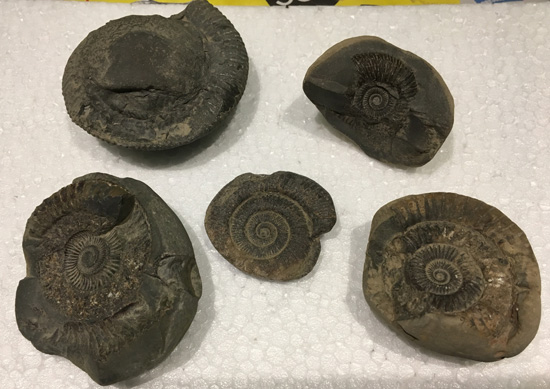
Some fine examples of ammonite fossils – a successful fossil hunt! The ammonite fossils are Dactylioceras – a common ammonite from strata dating from the Lower Jurassic. Picture credit: Everything Dinosaur.
Picture credit: Everything Dinosaur
Stay Safe When Collecting Fossils
Storms and bad weather can make cliffs even more dangerous than usual. The cliffs could become saturated with water and this can cause mud slips and landslides. Falling rocks are also a hazard. We urge all fossil collectors to take extreme care when out fossil hunting on beaches and to avoid getting too close to the cliffs.
We advise that fossil hunters make themselves aware of the fossil collecting code, full details of which can be found on an earlier Everything Dinosaur blog post here: The Fossil Collecting Code.
Fossil hunting is an enjoyable and rewarding hobby, however, we urge all fossil hunters to consider their safety and the safety of the others in their group if they intend to take advantage of recent bad weather to go fossil collecting.
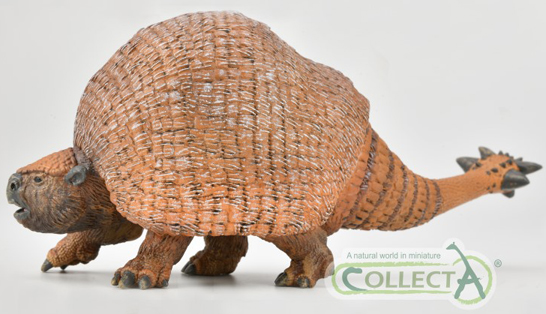
The remaining CollectA Deluxe prehistoric animal models that Everything Dinosaur are going to get this year have arrived and are now available from the UK-based mail order company. The new for 2021 CollectA Deluxe models include the 1:40 scale Dilophosaurus, a replica of the ferocious Cretaceous fish – Xiphactinus and a 1:20 scale model of the glyptodont Doedicurus.
New for 2021 CollectA Deluxe models in stock at Everything Dinosaur. The 1/40th scale Dilophosaurus (top), the 1:40 CollectA Deluxe Xiphactinus (middle) and the CollectA Deluxe 1;20 scale Doedicurus (bottom). Picture credit: Everything Dinosaur.
Picture credit: Everything Dinosaur
The eagerly anticipated CollectA Deluxe Pteranodon will not be in stock at Everything Dinosaur until next year (2022).
Deluxe Models
The CollectA Deluxe range comprises the figures and replicas that have a declared scale. The general scale used for dinosaur figures is 1:40 hence the 1/40th scale Dilophosaurus model. For prehistoric mammals, CollectA use a scale of approximately 1:20. For example, the new Deluxe Doedicurus is in 1:20 scale.
Model collectors and fans of prehistoric animals know that these scales are only arbitrary, there are so many dinosaurs and prehistoric mammals in the Deluxe range representing very different sized animals that these suggested scales can, at best, only be regarded as approximate guides.
The new for 2021 CollectA Deluxe 1:40 scale Dilophosaurus dinosaur model. Picture credit: Everything Dinosaur.
Picture credit: Everything Dinosaur
The CollectA Deluxe 1:20 scale Doedicurus model. One of the new CollectA Deluxe prehistoric animal models.
Xiphactinus – Deadly Marine Predator
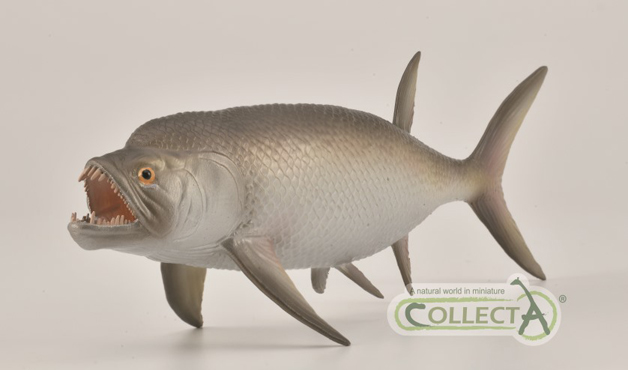
When Everything Dinosaur team members first announced the CollectA model line-up for 2021, there was much excitement about the addition of a Xiphactinus replica. Several species of Xiphactinus have been named and described. Fossil remains have been found in South America, Europe and most famously North America. Many almost complete and articulated specimens have been excavated from the Smoky Hill Chalk Member of the Niobrara Formation. With an estimated body length approaching six metres, Xiphactinus was one of the largest members of the extinct Ichthyodectidae family.
The CollectA Deluxe 1:40 scale Xiphactinus prehistoric fish model.
A spokesperson from Everything Dinosaur commented:
"There have been huge problems with production, shipping and distribution, it is great to see these three models in stock and we look forward to announcing the new for 2022 CollectA Deluxe replicas in the very near future."
To view the range of CollectA Deluxe figures, including the new Xiphactinus, Dilophosaurus and the 1:20 scale Doedicurus models: CollectA Deluxe Prehistoric Life.
Model collectors and fans of prehistoric animals know that these scales are only arbitrary, there are so many dinosaurs and prehistoric mammals in the Deluxe range representing very different sized animals that these suggested scales can, at best, only be regarded as approximate guides.
The new for 2021 CollectA Deluxe 1:40 scale Dilophosaurus dinosaur model. Picture credit: Everything Dinosaur.
Picture credit: Everything Dinosaur
The CollectA Deluxe 1:20 scale Doedicurus model. One of the new CollectA Deluxe prehistoric animal models.
Xiphactinus – Deadly Marine Predator
When Everything Dinosaur team members first announced the CollectA model line-up for 2021, there was much excitement about the addition of a Xiphactinus replica. Several species of Xiphactinus have been named and described. Fossil remains have been found in South America, Europe and most famously North America. Many almost complete and articulated specimens have been excavated from the Smoky Hill Chalk Member of the Niobrara Formation. With an estimated body length approaching six metres, Xiphactinus was one of the largest members of the extinct Ichthyodectidae family.
The CollectA Deluxe 1:40 scale Xiphactinus prehistoric fish model.
A spokesperson from Everything Dinosaur commented:
“There have been huge problems with production, shipping and distribution, it is great to see these three models in stock and we look forward to announcing the new for 2022 CollectA Deluxe replicas in the very near future.”
To view the range of CollectA Deluxe figures, including the new Xiphactinus, Dilophosaurus and the 1:20 scale Doedicurus models: CollectA Deluxe Prehistoric Life.
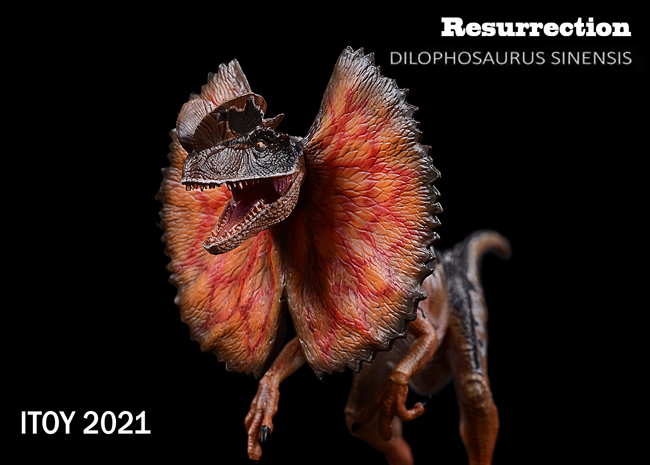
Team members at Everything Dinosaur have produced a helpful video for the Everything Dinosaur YouTube channel that not only showcases the excellent ITOY Studio Dilophosaurus sinensis model, but also discusses the steps required to legally import this figure and to offer it for sale.
Video credit: Everything Dinosaur
The video, which lasts around seven minutes, discusses the work done to get this model independently tested with Eurofins and permits dinosaur model collectors the opportunity to get a really good look at this collectable. Model measurements are provided including a measurement of that impressive neck frill and the narrator discusses the influence of the 1993 film “Jurassic Park” on Dilophosaurus model designs.
Dilophosaurus sinensis and Sinosaurus triassicus
As part of Everything Dinosaur’s commitment to help educate and inform, the video also addresses the thorny question as to whether Dilophosaurus sinensis is a valid dinosaur taxon. Similarities between the fossil material assigned to D. sinensis and fossils associated with the theropod Sinosaurus (S. triassicus) have been recorded. Some scientists including the eminent and highly influential Dong Zhiming have proposed that Dilophosaurus sinensis should be regarded as a junior synonym of Sinosaurus – our short video reviews the current position regarding these two taxa and shows line drawings and photographs of some of the fossils.
A view of the superb crest on the new for 2021 ITOY Studio Dilophosaurus dinosaur model.
A Different Species or an Entirely Different Genus
The video looks at some of the fossil evidence that suggests that Dilophosaurus sinensis could be a different species of Sinosaurus, a sister taxon to Sinosaurus triassicus or perhaps this enigmatic Early Jurassic theropod could have been an entirely different genus.
A life reconstruction of the Early Jurassic Chinese theropod Dilophosaurus sinensis (Sinosaurus triassicus). Picture credit: Zhao Chuang.
Picture credit: Zhao Chuang
The Everything Dinosaur YouTube channel is crammed full of dinosaur model reviews, product news and helpful advice and tips when it comes to prehistoric animal model collecting. We recommend that readers subscribe to Everything Dinosaur.
ITOY Studio are putting together a very exciting range of prehistoric animal models and figures, including Ceratosaurus, Tyrannosaurus rex and an amazing Paraceratherium model.
A team of scientists, including a researcher from the London Natural History Museum have named a new species of ancient sea scorpion (eurypterid), that at around one metre in length was probably a top predator in its marine environment. Named Terropterus xiushanensis, it has been assigned to the Mixopteridae family within the Eurypterida and as such, it is the oldest mixopterid described to date and the first to be associated with Gondwana.
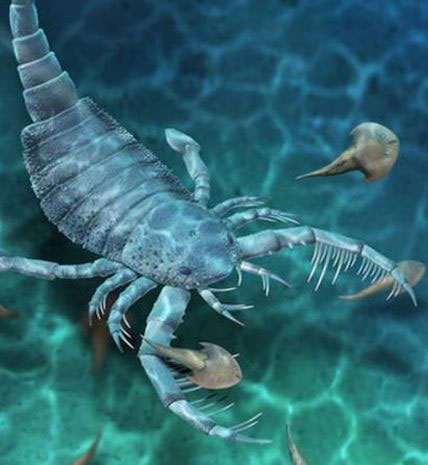
The newly described eurypterid from the Lower Silurian of southern China (Terropterus xiushanensis) was probably the top predator in the marine ecosystem. Here it is seen attempting to catch some jawless fish. Picture credit: Dinghua Yang.
Terropterus xiushanensis
Writing in the journal “Science Bulletin”, the research team describe this new marine arthropod based on several fossils mostly representing the spiny front appendages, excavated from the Lower Silurian (Llandovery) Xiushan Formation, Xiushan. Two incomplete, but much larger fossils from the roughly contemporaneous Fentou Formation of Wuhan in Hubei Province have also been assigned to the Terropterus genus.
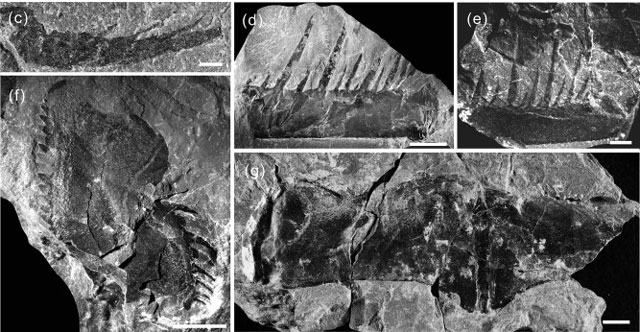
Terropterus xiushanensis fossils (c) close-up of appendage V. Joint 5 or 6 of appendage III, paratype, NIGP 174786 (d). Joint 5 or 6 of appendage III, paratype, NIGP 174787 (e). Coxae, the first segment of a limb, paratype, NIGP 174788 (f). Genital operculum and the genital appendage, paratype, NIGP 174789 (g). Scale bars = 5 mm for (d), (f), (g); 2 mm for (e); 1 mm for (c). Picture credit: Wang et al.
A Formidable Predator
With an estimated length of around 1 metre, (based on the Fentou Formation fossils), Terropterus was far larger than any vertebrate predator known from Lower Silurian strata. Their second, and especially the third, pair of prosomal limbs are enlarged and armed with sharp spines. These limbs were presumably used for capturing prey, trilobites and other invertebrates as well as primitive fish.
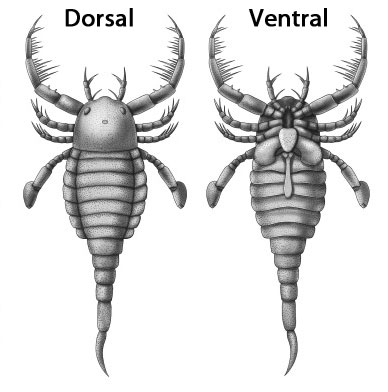
A line drawing of Terropterus xiushanensis – left dorsal view and right ventral view. Picture credit: Wang et al with additional annotation by Everything Dinosaur.
Mixopterids More Widespread than Previously Thought
Little is known about the evolution and distribution of the Mixopteridae. Only four species in two genera have been described previously and most of the research into these eurypterids took place in the early 20th century. Until the discovery of Terropterus all the mixopterids were associated with the ancient landmass of Laurussia. Terropterus extends the range of this family into marine environments associated with Gondwana.
Members of the Mixopteridae
Mixopterus simonsoni 1883 (Estonia).
Lanarkopterus dolichoschelus 1899 (Scotland).
Mixopterus multispinosus 1921 (New York).
Mixopterus kiaeri 1934 (Norway).
Phylogenetic assessment suggests that T. xiushanensis is a sister taxon to L. dolichoschelus.
The researchers note that mixopterids might share a common body plan with highly specialised anterior appendages armed with spines, which presumably played a role in attacking and holding prey, but there are marked differences between the known genera. This might indicate that some mixopterids attacked different kinds of prey.
The holotype (NIGP 174785) appendages of Terropterus xiushanensis. Note scale bar = 5 mm. Picture credit: Wang et al.
The scientific paper: “First mixopterid eurypterids (Arthropoda: Chelicerata) from the Lower Silurian of South China” by Han Wang, Jason Dunlop, Zhikun Gai, Xiaojie Lei, Edmund A. Jarzembowski and Bo Wang published in Science Bulletin.
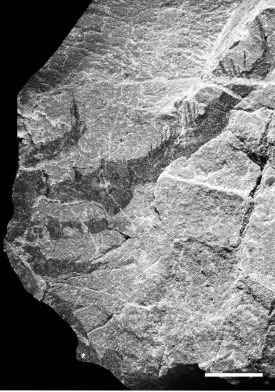
An almost perfectly preserved specimen of the very bird-like theropod Caudipteryx has provided researchers with evidence of organic molecule preservation at a cellular and nuclear level. Writing in “Communications Biology”, scientists from the Institute of Vertebrate Palaeontology and Palaeoanthropology of the Chinese Academy of Sciences, in collaboration with colleagues from the Shandong Tianyu Museum of Nature (Shandong Province, eastern China), report on a study of fossilised cells from cartilage associated with a Caudipteryx thigh bone that reveal exquisite molecular preservation.
Photograph of the Caudipteryx specimen (A) with (B) a close-up of the femur showing the extracted fragment outlined in yellow. Illustrative line drawing (C). Picture credit: Xiaoting Zheng et al.
Fragments from a Femur
The specimen (number STM4-3), is in the Shandong Tianyu Museum of Nature vertebrate fossil collection, one of the largest collections of dinosaur fossils in the world. It was collected from the Yixian Formation near Chaoyang City, Dapingfang Town (Liaoning Province) and is almost complete and partially articulated. Gastroliths are preserved in the stomach cavity and the outline of some feathers can also be seen. A right femur, measuring 15 cm in length was examined, a fragment removed representing cartilage and divided into three portions to permit detailed scanning electron microscopy (SEM), histochemical staining, energy-dispersive X-ray spectroscopy (EDS) and transmission electron microscopy (TEM) along with chemical analysis.
The research team realised that some cells had been mineralised by silicification after the death of the animal. This silicification is most likely what permitted the excellent preservation of these cells.
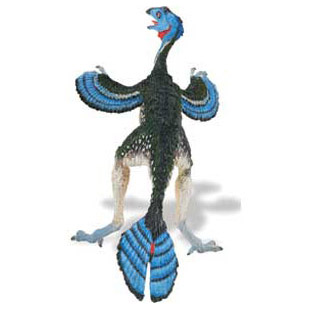
A model of the theropod dinosaur Caudipteryx.
The picture (above) shows a Cauipteryx model produced by Safari Ltd.
Li Zhiheng, an Associate Professor at the Institute of Vertebrate Palaeontology and Palaeoanthropology and a co-author of the study commented that the discovery of cellular preservation in the cartilage was not unexpected stating:
“Geological data has accumulated over the years and shown that fossil preservation in the Jehol Biota was exceptional due to fine volcanic ashes that entombed the carcasses and preserved them down to the cellular level”.
Healthy Cells and Unhealthy, Dying Cells
The researchers discovered two main types of cells, cells that were healthy at the time of fossilisation, along with unhealthy cells that were porous and fossilised while in the process of dying.
Co-author Alida Bailleul (Institute of Vertebrate Palaeontology and Palaeoanthropology), explained:
“It is possible that these cells were already dying even before the animal died”.
Cell death is a process that occurs naturally throughout the lives of all organisms. But being able to identify a fossilised cell at a specific life stage within the cell cycle is quite new in palaeontology.
Staining the Nuclei of Dinosaur Cells
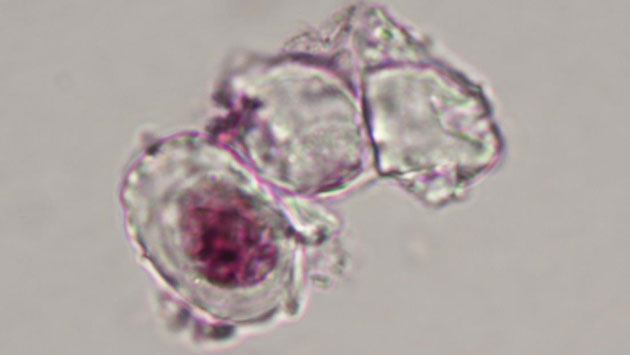
The team isolated some cells and stained them with a purple chemical used by biologists to identify nuclei material. This chemical, hematoxylin, is known to bind to the nuclei of cells. Cells from a chicken were also stained to provide an extant comparison. One dinosaur cell showed a purple nucleus with some darker purple threads. This provides strong evidence to support the idea that the 125-million-year-old dinosaur cell has a nucleus so well-preserved that it retains some original biomolecules and threads of chromatin.
Chromatin is found within the cells of all living organisms. It consists of tightly packed DNA molecules. The results of this study thus provide preliminary data suggesting that remnants of original dinosaur DNA may still be preserved.
Photographs of three cartilage cells from the femur of Caudipteryx. The purple chemical hematoxylin binds to the nuclei of cells. After the dinosaur cells were stained one cell showed a purple nucleus, this suggests that the 125-million-year-old fossil cell is so well preserved it has retained some original biomolecules and threads of chromatin. This cell replicated the reaction to hematoxylin expected from a cell of a living chicken. Picture credit: Alida Bailleul.
Much Further Work is Required
Whilst highlighting the significance of this study, after all discovering that 125-million-year-old dinosaur cells react to hematoxylin staining in the same way as living cells is remarkable, the researchers concede that a much more refined and precise approach will be required if dinosaur DNA is to be identified and recovered in any quantity.
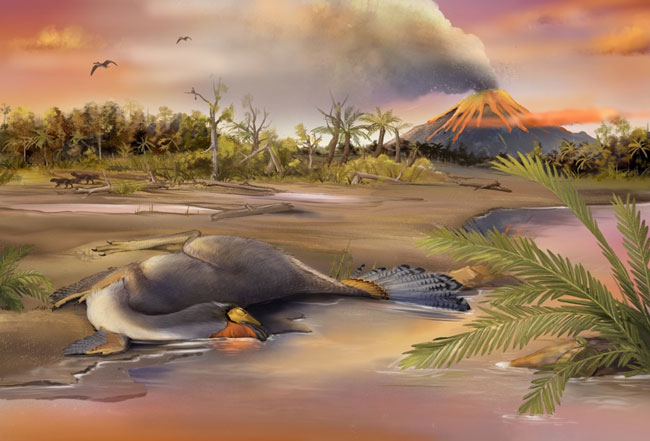
The Jehol Biota approximately 125 million years ago. The corpse of the Caudipteryx lies on the lake shore whilst a pair of Psittacosaurus wander past and pterosaurs fly overhead. A Confuciusornis bird perches on a tree, undeterred by the erupting volcano nearby. Picture credit: Zheng Qiuyang.
In 2020, Everything Dinosaur reported upon the discovery of chromosome-like chromatin threads preserved in the fossilised cartilage of a 75-million-year-old hadrosaur (Hypacrosaurus stebingeri). This study identified nuclear and cellular preservation which was previously unknown in a Cretaceous fossil specimen. To read our article: Cartilage, Proteins and Potential Dinosaur DNA?
The scientific paper: “Nuclear preservation in the cartilage of the Jehol dinosaur Caudipteryx” by Xiaoting Zheng, Alida M. Bailleul, Zhiheng Li, Xiaoli Wang and Zhonghe Zhou published in Communications Biology.
Due to on-going issues with global logistics, delays at ports and the shortage of delivery drivers, Everything Dinosaur urges its customers to shop early for Christmas. Several major retailers have already issued warnings about problems with stock (Ikea, Tesco, Nestle) and major ports such as Felixstowe in the UK have reported cargo logjams and the port of Los Angeles (California) is having to work around the clock to clear back logs.
Team members at Everything Dinosaur are awaiting a number of deliveries, the first of which (CollectA) is scheduled to arrive next week (October 2021).
Due to the on-going issues with global logistics, delays at ports and the shortage of delivery drivers Everything Dinosaur team members urge customers to shop early for Christmas 2021. Picture credit: Everything Dinosaur.
Picture credit: Everything Dinosaur
A spokesperson for the UK-based mail order company stated:
“We have been aware of potential problems with the delivery of stock for some time. Since the global pandemic first started, there have been problems with global shipping, team members are doing all they can to minimise the disruption for our customers. We will continue to monitor the situation and we have put in place robust plans to help manage product stocks”.
Parcels continue to be packed and despatched promptly and Everything Dinosaur will shortly begin packing orders 7-days a week to ensure a rapid despatch. Although postal and courier services are coping well at the moment, the company is anticipating that due to staff shortages in the mail system and other factors, Christmas parcel deliveries may take longer this year than usual.
Everything Dinosaur urges customers to shop early for Christmas.
If you have a question about Everything Dinosaur’s delivery services, or if you require additional information on deliveries as we approach the festive season contact Everything Dinosaur: Email Everything Dinosaur.
The next video to be posted up on the Everything Dinosaur YouTube channel will feature the new for 2021 ITOY Studio Dilophosaurus sinensis dinosaur model. In this short video, due to be published next week (October 2021), Everything Dinosaur will update viewers on the product testing and provide a little bit of information on the controversial species – Dilophosaurus sinensis. Dinosaur fans and model collectors can expect the movie “Jurassic Park” to get a mention too.
The title shot for the next Everything Dinosaur YouTube video in which we update model collectors on plans for a new Dilophosaurus model from ITOY Studio. Picture credit: Everything Dinosaur.
Picture credit: Everything Dinosaur
ITOY Studio Dilophosaurus sinensis Dinosaur Model
In Everything Dinosaur’s brief video, viewers will be able to see the new ITOY Studio Dilophosaurus sinensis dinosaur model on the company’s turntable. This will provide a 360-degree view of the figure, we will also show how big this model is and provide measurements, as well as providing a little information about the validity of the species.
ITOY Studio Dilophosaurus sinensis model. A new for 2021 dinosaur model coming into stock very shortly at Everything Dinosaur.
That Spectacular Neck Frill
The narrator will comment on the spectacular neck frill and demonstrate how to fit the dinosaur model securely into its display base. The steps to bring this product to the UK will be explained and details on the independent testing that has been carried out by Eurofins will be highlighted.
In Stock at Everything Dinosaur Before Christmas 2021
The ITOY Studio Dilophosaurus sinensis figure is due to be in stock at Everything Dinosaur before Christmas (2021). A spokesperson for the company stated that if all goes to plan, this excellent dinosaur model should be in stock at Everything Dinosaur in early December. It will be registered for sale by Everything Dinosaur under EU 2019/1020 market surveillance regulations so customers in Europe as well as elsewhere in the world can acquire this model too.
A view of the amazing head crests and the stunning neck frill on the new for 2021 ITOY Studio Dilophosaurus dinosaur model.
ITOY Studio have produced an incredible range of models including spectacular models of Ceratosaurus, Tyrannosaurus rex and the giant Cenozoic mammal Paraceratherium. To view the range of ITOY Studio prehistoric animal models available from Everything Dinosaur: ITOY Studio Models.
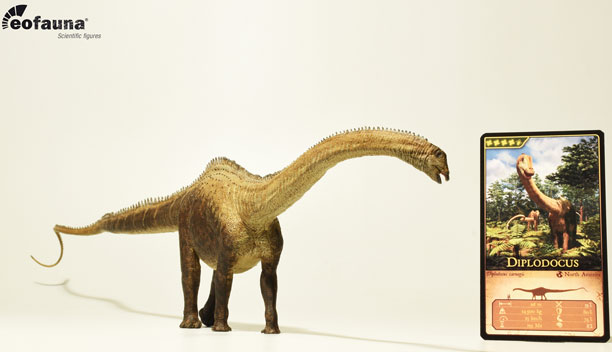
Eofauna will introduce a replica of the Late Jurassic sauropod Diplodocus carnegii. This exciting dinosaur model will be available from Everything Dinosaur in 2022 and it is expected in stock in February (2022). Several species of Diplodocus have been named, D. carnegii, named after the Andrew Carnegie, the Scottish-born, American industrialist, is arguably the best known. This species was erected in 1901 based on CM 84, a beautifully preserved specimen consisting of most of the anterior portion (excluding the skull) of a single animal from the Brushy Basin Member of the Morrison Formation (Wyoming, USA).
The new for 2022 Eofauna Diplodocus carnegii dinosaur model is supplied with a beautifully illustrated collector’s card. Everything Dinosaur team members helped with the hang tag and labelling for the new Eofauna Diplodocus.
The 8th Eofauna Scientific Research Model
The new for 2022 Diplodocus figure is the 8th prehistoric animal replica in the series and the fifth dinosaur after the introduction of Giganotosaurus, Atlasaurus and the Triceratops pair – Cryptic and Dominant, that came out earlier this year (spring 2021).
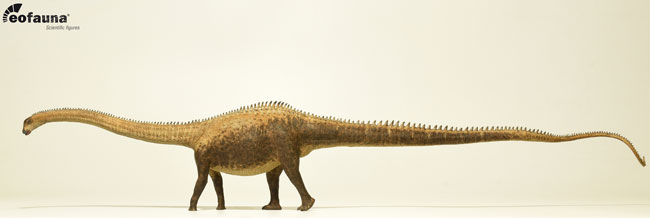
The Diplodocus figure is the longest in the range, it measures approximately 60 cm in length and that carefully crafted head is around 11 cm off the ground. The Diplodocus carnegii has a declared scale of 1:40.
The Eofauna Diplodocus carnegii model measures around 60 cm in length and stands 11 cm tall. It is a 1/40th scale model.
A spokesperson from Everything Dinosaur commented:
“It is great to hear that this amazing Diplodocus model is coming out shortly. The hard-working and dedicated staff at Eofauna have built up a deserved reputation for the quality and accuracy of their prehistoric animal figures. The arrival of this new Diplodocus replica in February 2022 or thereabouts, is being eagerly anticipated by dinosaur fans and model collectors”.
Eofauna Diplodocus carnegii dinosaur model in oblique posterior view.
Eofauna Scientific Research Models in Stock at Everything Dinosaur
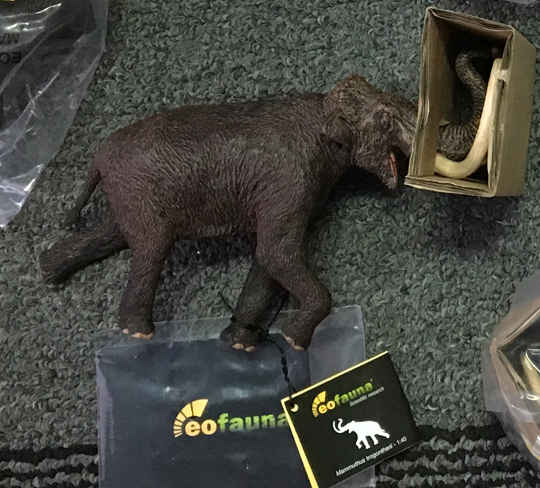
Everything Dinosaur has been proud to support his excellent range of prehistoric animal figures. The first model (Steppe Mammoth) was introduced in 2017 and this range of scale models is going from strength to strength.
The amazing detail on this Steppe Mammoth model can be easily seen. The Steppe Mammoth (Mammuthus trogontherii) was introduced in the autumn of 2017. Picture credit: Everything Dinosaur.
Picture credit: Everything Dinosaur
To see the range of Eofauna prehistoric animal models in stock at Everything Dinosaur: Eofauna Scientific Research.
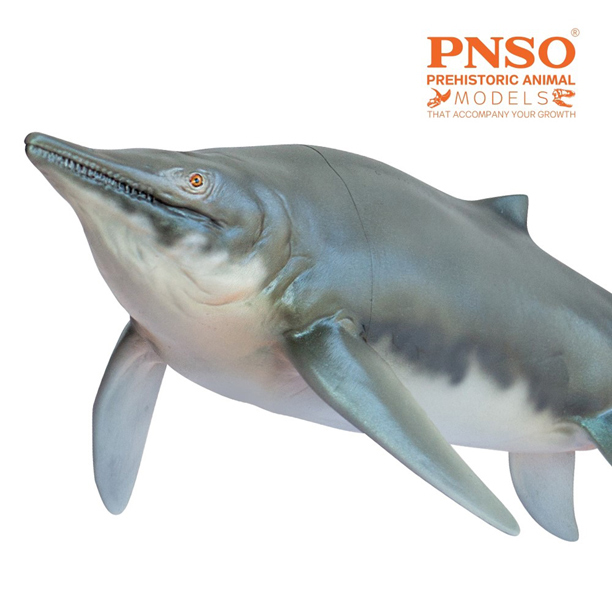
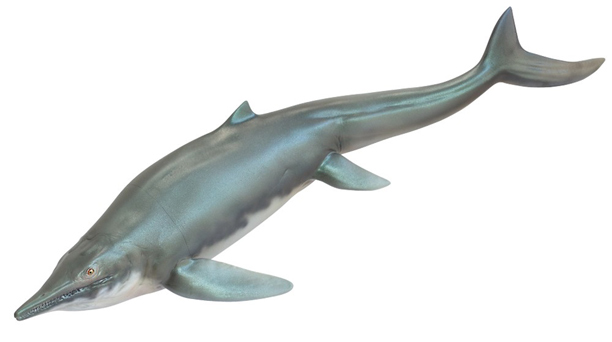
PNSO will add a replica of the giant, Late Triassic ichthyosaur Himalayasaurus to their mid-size model range. The replica called Tucson the Himalayasaurus is part of a shipment of PNSO prehistoric animal figures that are already heading towards our UK warehouse. We expect to have this exciting, new marine reptile model in stock in just a few weeks.
The PNSO Tucson the Himalayasaurus, a fantastic replica of a giant ichthyosaur.
Himalayasaurus tibetensis
Named and described by the highly influential Chinese palaeontologist Dong Zhiming in 1972, Himalayasaurus (H. tibetensis), is known from fragmentary remains. Its body size is uncertain, but comparisons with better-known members of the Ichthyosauria, specifically other large-bodied ichthyosaurs within the Shastosauridae family suggest that this marine reptile could have been more than 15 metres long and weighed in excess of 40 tonnes.
The new for 2021 PNSO Tucson the Himalayasaurus model.
PNSO Himalayasaurus Model Measurements
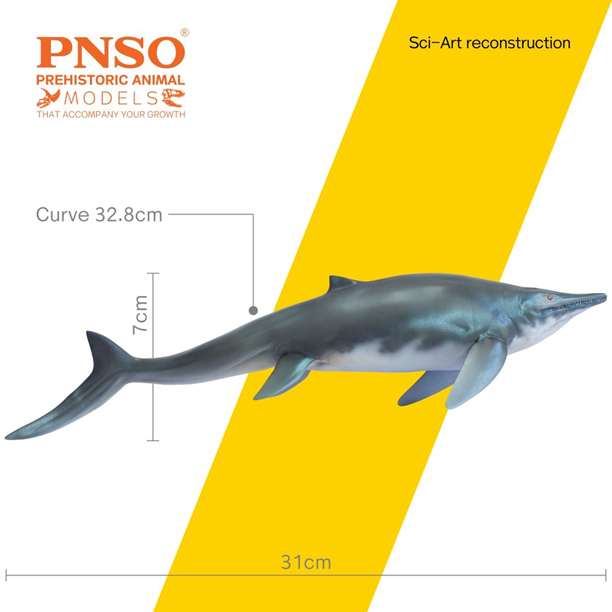
The PNSO Himalayasaurus model measures 31 cm long. The actual model measures a total of 32.8 cm when the curvature of the replica is considered. The distance between the dorsal fin and the bottom lobe of the asymmetrical caudal fin is 7 cm.
PNSO do not publish a scale for their mid-size models. However, based on the curved length of the figure and the size estimate of Himalayasaurus postulated by palaeontologists, team members at Everything Dinosaur suggest that Tucson the Himalayasaurus is in approximately 1:45 scale.
The PNSO Tucson the Himalayasaurus measures 31 cm in length. The curved length of this marine reptile model is 32.8cm and the height 7 cm.
PNSO Tucson the Himalayasaurus
Everything Dinosaur team members are not sure why this particular marine reptile model has been named “Tucson”, what we are certain about is that this stunning figure will be supplied with two transparent support stands to help the model to be displayed.
The product packaging for the PNSO Himalayasaurus marine reptile model. The figure is supplied with two transparent support stands to help the model to be displayed.
In Stock at Everything Dinosaur
A spokesperson for Everything Dinosaur confirmed that the PNSO Tucson the Himalayasaurus would be in stock at Everything Dinosaur possibly as early as November (2021). The spokesperson added:
“We have known about this exciting model for a while. The Himalayasaurus and other new for 2021 PNSO figures are already on the water heading for a UK port. It is wonderful to see PNSO bringing out more prehistoric marine animals to add to their recently introduced Helicoprion, Dunkleosteus, Basilosaurus, Tylosaurus and Kronosaurus models”.
To view the range of PNSO prehistoric animal models currently in stock at Everything Dinosaur: PNSO Age of Dinosaurs.