Why Do Different Dinosaur Models of the Same Animal Look Different?
If you collect dinosaur and prehistoric animal models, you may have noticed something curious. Two models representing exactly the same dinosaur can look surprisingly different. The arrangement of the armour plates on a stegosaur might differ. One T. rex figure might be heavily built with extremely wide hips, whereas another model could look slimmer. A reconstruction might show prominent teeth, while another gives the dinosaur fleshy lips. Why do different dinosaur models of the same animal look different?
The simple answer is that dinosaur models represent interpretations of fossil evidence. That evidence is often incomplete. Furthermore, scientists continually discover new fossils and reassess specimens already held in museum collections. As a result, our understanding and interpretation of fossil evidence can change – often dramatically.
Most Dinosaur Models Reflect Scientific Evidence
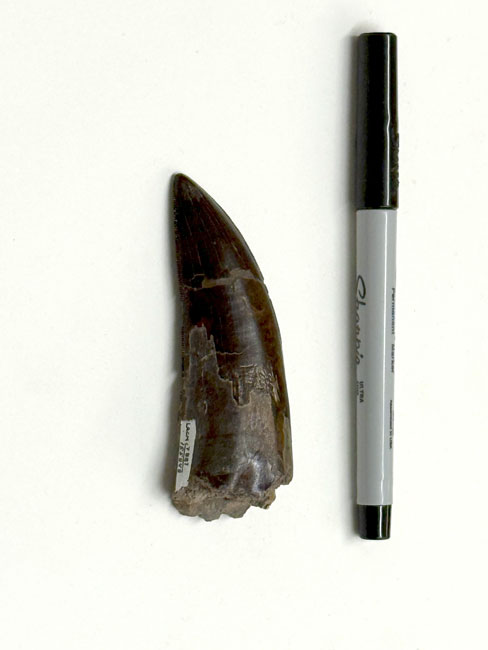
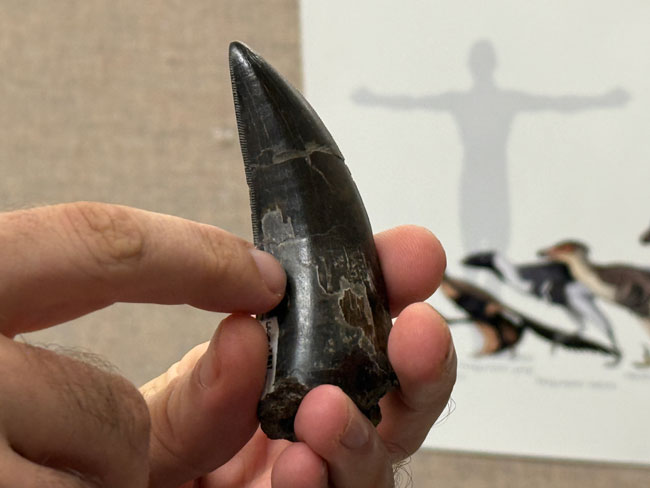
No human being has ever seen a non-avian dinosaur alive. Therefore, palaeontologists must reconstruct these animals using evidence preserved in the fossil record. Skeletons provide information about anatomy, body proportions and locomotion. However, complete dinosaur skeletons are extremely rare. A dinosaur species might be known from only part of the skeleton. Indeed, back in the 19th and early 20th centuries a new taxon could be erected based on a single tooth. These days, palaeontologists tend to be more cautious before announcing a new species.
Fragmentary, often poorly preserved remains are all that researchers have to work with. Consequently, palaeontologists sometimes have to infer missing anatomy by studying related animals. This can lead to different interpretations.
Mike from Everything Dinosaur explained:
“Collectors sometimes ask us why two models representing the same dinosaur can look so different. The simple answer is that palaeontology does not stand still. New fossils are discovered, existing specimens are reassessed and our interpretation of these remarkable animals changes.”
Different Dinosaur Models Can Represent Different Scientific Ideas
A difference between two dinosaur models does not automatically mean that one is accurate and the other is inaccurate. Both models might represent scientifically plausible interpretations. For example, palaeontologists can determine a great deal from fossilised bones. However, reconstructing the soft tissues surrounding those bones is much more difficult.
When reconstructing a dinosaur there are many questions to be answered. For instance, how long was the tail? How extensive were soft tissues around the jaws? What was the shape of the skull? How these questions are answered can significantly alter the appearance of a dinosaur reconstruction.
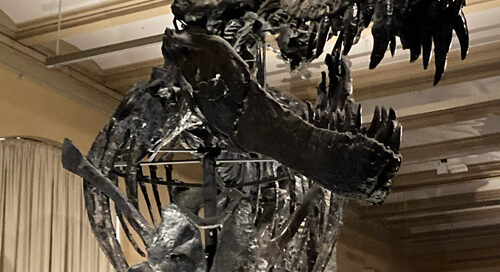
Indeed, research into theropod facial tissues has demonstrated how different interpretations can influence dinosaur appearance. A 2023 study proposed that large theropod dinosaurs probably possessed extraoral tissues covering their teeth when the mouth was closed. Consequently, two Tyrannosaurus rex models based on very similar skeletal proportions could still have noticeably different heads.
To read Everything Dinosaur’s article about the 2023 study: Tyrannosaurs Had Lips According to New Research.
A recent article highlighting research into extraoral tissue in archosaurs: Lips in the Dinosauria – New Evidence is Published.
The Spinosaurus Genus – A Theropod That Keeps Changing
Few dinosaurs demonstrate changing scientific interpretations better than Spinosaurus aegyptiacus. Older reconstructions often portrayed Spinosaurus as a fairly conventional large theropod with an enormous sail on its back. However, subsequent fossil discoveries transformed our understanding of this remarkable dinosaur. Research published in 2020 described a deep, flexible tail associated with Spinosaurus. The researchers investigated its potential role in aquatic locomotion.
Therefore, a Spinosaurus model designed many years ago could look very different from one created using more recent research. This does not necessarily mean the older model was poorly researched. It may simply represent the scientific interpretation available when it was designed.
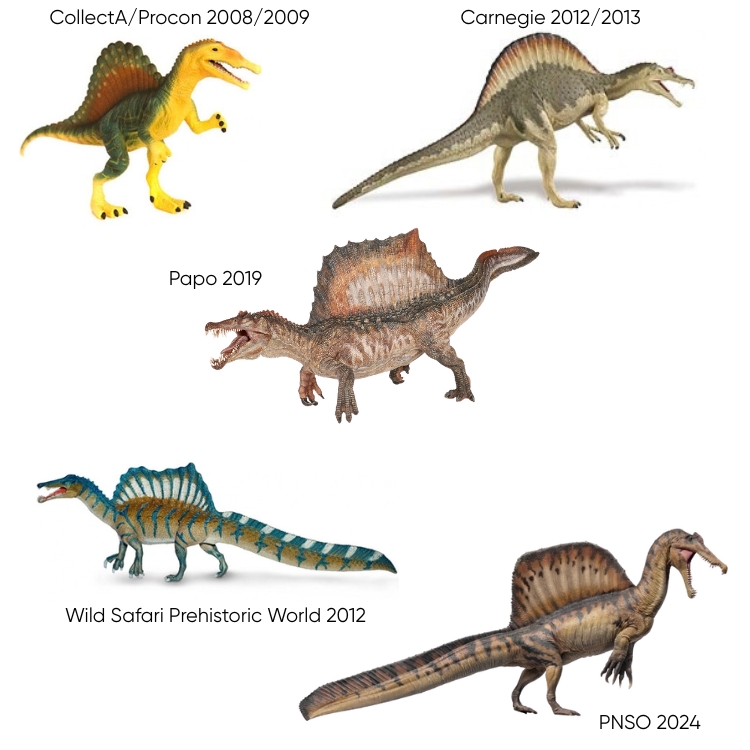
Spinosaurus has been a popular addition to the ranges of numerous manufacturers. However, over time models of this theropod have changed dramatically as scientific theory is revised. Picture credit: Everything Dinosaur.
Picture credit: Everything Dinosaur
The image (above) illustrates this point. Various manufacturers have made models of Spinosaurus over the years. Each model reflects the scientific interpretation of the dinosaur at around the time the figure was made.
Dinosaur Reconstructions Have a Time Stamp
In a sense, every scientifically informed dinosaur model has an invisible time stamp. The designer and manufacturer can only work with the evidence available during development. A model designed ten years ago cannot incorporate a fossil discovery made last year. Moreover, developing a detailed prehistoric animal figure takes time. Research, concept drawings, sculpting, tooling, production and distribution can mean that many months pass before a model reaches collectors. Indeed, our own Everything Dinosaur Evolution T. rex took three years to develop.
Scientific knowledge may continue to develop during that period. Therefore, when assessing dinosaur model accuracy, it is useful to ask:
When was the model designed, and what scientific evidence was available at that time?
The Colour of Dinosaurs
Colour creates another major difference between dinosaur models. For most dinosaurs, their colouration remains unknown. Consequently, model designers have considerable freedom when developing colour schemes. However, there are some notable exceptions.
Exceptionally preserved fossils can retain microscopic evidence associated with pigmentation. Research into fossilised melanosomes has permitted scientists to investigate colouration in several extinct animals. For example, studies of Sinosauropteryx provided evidence for reddish-brown tones and banding on its tail. In addition, the colour of future sauropod fossils could be influenced by recent research. Historically, sauropod models have been depicted in dull colours, particularly grey. Elephants are grey and as a result, many sauropod models are painted grey.
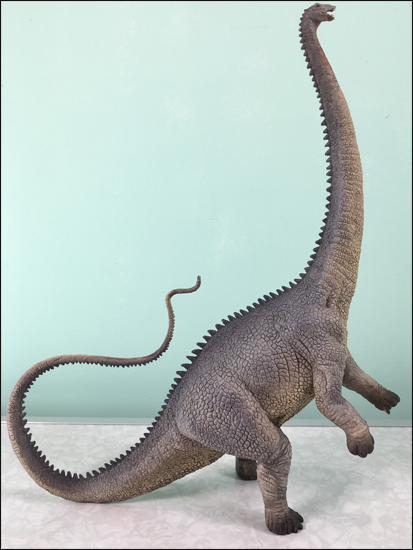
The new for 2020 CollectA rearing Diplodocus dinosaur model in the elephantine colour scheme. Picture credit: Everything Dinosaur.
Picture credit: Everything Dinosaur
However, late last year (2025), a research paper was published that postulated that sauropod dinosaurs could have been quite colourful.
To read more about this study: Evidence of Colour Patterning in a Young Diplodocus.
Research into dinosaur colouration has developed considerably. Scientists have investigated colour and patterning in several feathered and scale-covered dinosaurs, although reconstructing prehistoric colour remains a controversial subject. For the vast majority of dinosaur models, however, colour schemes remain interpretations.
One manufacturer might choose greens and browns. Another might use vivid markings inspired by living birds or reptiles. Neither colour scheme necessarily makes the model anatomically less accurate.
Skin, Feathers and Scales Make a Difference
The external covering of a dinosaur can also dramatically alter its appearance. Fossilised skin impressions provide direct evidence for the integument of some dinosaurs. Exceptionally preserved fossils have also revealed feathers and other filamentous structures. Nevertheless, preservation is patchy. Scientists might know what covered one part of an animal but have little or no direct evidence from another part of the body. Furthermore, discoveries of feathered dinosaurs have transformed how many theropods are reconstructed.
A model produced before important discoveries relating to dinosaur integument might therefore look very different from a more recent interpretation.
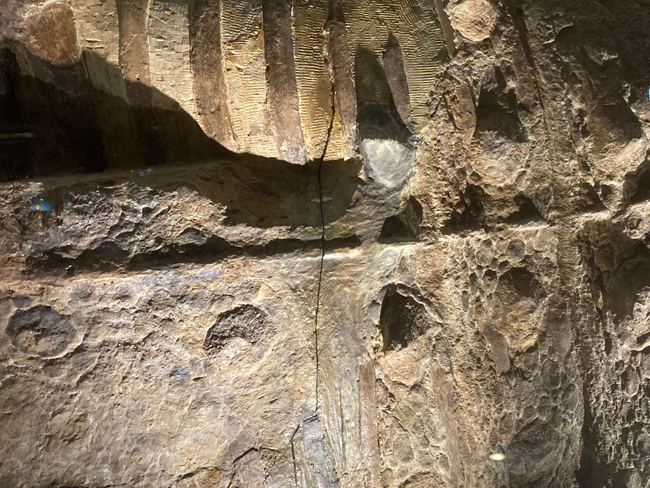
A close-up view of the preserved skin impression associated with the S. cutleri fossil specimen NHMUK R5161. This amazing fossil is on display at the London Natural History Museum. Picture credit: Everything Dinosaur.
Picture credit: Everything Dinosaur
Individual Dinosaurs Were Different Too
There is another factor that is sometimes overlooked. Dinosaurs were individual animals. Members of a living species are not identical. There could be wide variation in appearance within a population. For example, sexual dimorphism could be present, and individuals would vary in size and appearance. Animals also change considerably as they grow. Hence, the extensive debate about whether Nanotyrannus is a valid taxon or whether these fossils represent Tyrannosaurus rex juveniles.
New research provides definitive evidence that Nanotyrannus is a valid taxon: Nanotyrannus is a Valid Taxon.
Furthermore, injuries, pathology and individual variation could affect appearance. One of the biggest controversies in recent years has been whether or not large Late Cretaceous tyrannosaurs were feathered. If they were, what proportion of their integument consisted of feathers?
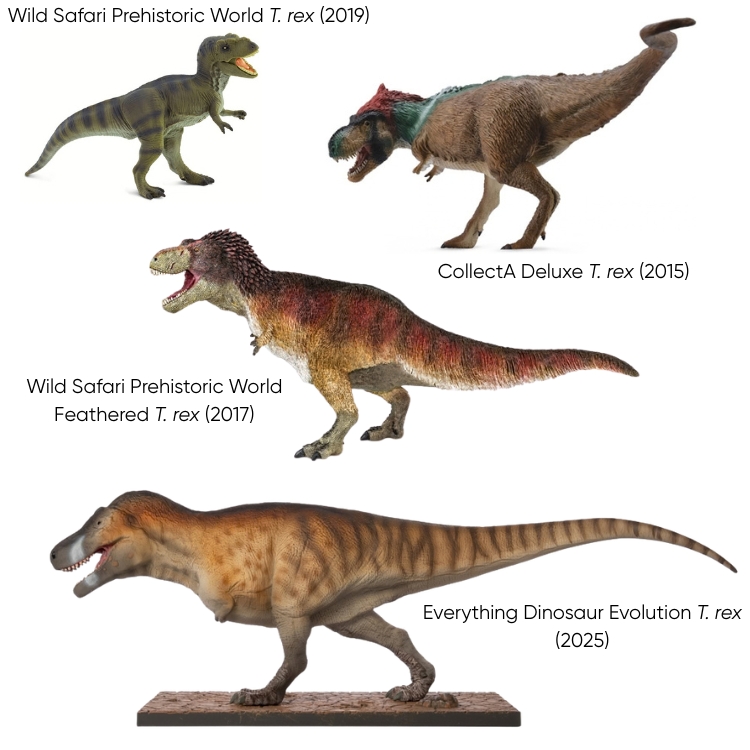
The integument of Tyrannosaurus rex has been depicted in a variety of ways. Picture credit: Everything Dinosaur.
Picture credit: Everything Dinosaur
The picture (above) shows how feathers in tyrannosaurs such as Tyrannosaurus rex have been depicted in different models.
Mike from Everything Dinosaur added:
“Our own 1:33 scale Everything Dinosaur Evolution T. rex model, took three years to develop. We examined extremely carefully the evidence regarding integument, and our model represents a scientific depiction of this theropod based on a review of the available evidence.”
To view the Everything Dinosaur Evolution T. rex models: Everything Dinosaur Evolution Dinosaur Models.
Therefore, we should not necessarily expect every reconstruction of a particular dinosaur species to look identical.
The Scale of Model Can Add Complications
Dinosaur model scale introduces another complication. Imagine that one manufacturer estimates an adult dinosaur measured ten metres long. Another reconstruction uses an estimate of eleven metres. At 1:40 scale, those assumptions produce models with different dimensions. Pose matters too. A dinosaur with a curved neck or sweeping tail will have a different measured length from an animal reconstructed in a different posture. Therefore, comparing model length alone does not always tell us whether two figures represent the same scale. Indeed, dinosaurs grew at different rates, declaring a scale for a dinosaur is challenging. Furthermore, the size of a species can only be estimated. Most dinosaur fossils do not represent fully-grown animals.
Scientific Accuracy Is Not Always Black and White
Collectors understandably want scientifically accurate prehistoric animal models. However, accuracy is not always a simple case of right or wrong. Some anatomical features are supported by extensive fossil evidence. Other features are more uncertain.
A model might have highly accurate skeletal proportions but use a speculative colour scheme. Another could incorporate the latest ideas about soft tissues while adopting one of several plausible interpretations of the animal’s overall build.
Mike explained:
“When we examine a new prehistoric animal model, we try to consider the evidence behind the reconstruction. It is important to distinguish between features supported directly by fossils and areas where the sculptor has had to make an informed interpretation.”
This is one reason dinosaur model collecting can be so fascinating. For instance, the 2026 CollectA Deluxe Magnapaulia hadrosaur model has a large, bright red head crest. The crest is unknown in this genus, however, as a lambeosaurine, it probably was crested, although the shape of the crest on the model is speculative. In addition, there is no evidence to indicate that this crest was red. However, as visual display is thought to be important to social dinosaurs such as lambeosaurines, the designer has opted to give their figure an eye-catching crest. The addition of a loose fold of skin running along the throat (a dewlap) is also speculative.
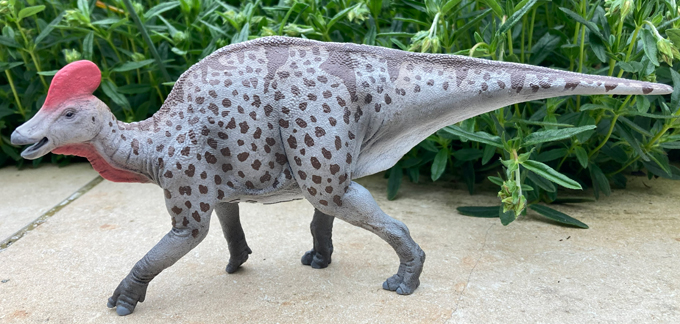
The CollectA Deluxe 1:60 scale replica of Magnapaulia shown in left lateral view. Picture credit: Everything Dinosaur.
Picture credit: Everything Dinosaur
To view the range of CollectA Deluxe prehistoric animal models in stock: CollectA Deluxe Prehistoric Life Models.
Models do more than represent prehistoric animals. They can also reflect the development of palaeontology itself.
Why Do Different Dinosaur Models Look Different?
Ultimately, different dinosaur models of the same animal can look different for several reasons. New fossils are discovered, existing specimens are reinterpreted and scientific ideas change. In addition, soft tissues are rarely preserved. Colour is usually uncertain, individual animals varied, and manufacturers may choose different scientifically plausible reconstructions.
Older models can even provide a fascinating record of how perceptions of a dinosaur have changed. Therefore, when two Tyrannosaurus, Triceratops or Spinosaurus models look different, the differences can tell us something important.
Reconstructing dinosaurs is not simply about copying a skeleton. It is about interpreting evidence. As new evidence emerges, our view of the Dinosauria changes. Inevitably, the models that represent them change too.
The award-winning Everything Dinosaur website: Dinosaur and Prehistoric Animal Models.