Everything Dinosaur can confirm that two prehistoric animal models made by Schleich are now out of production and retired. With the recent introduction of five Schleich prehistoric animal figures, we can now confirm Schleich prehistoric animal model retirements.
The figures which have been retired are the Schleich Dimetrodon model that was introduced in 2019 and the Schleich pterosaur figure, the Dimorphodon.
The new for 2019 Schleich Dimetrodon model has now been retired by the German manufacturer.
The green-coloured 2019 Schleich Dimetrodon figure replaced an earlier Dimetrodon model (2016) with a reticulated pattern on its sail. It was one of five new model introductions into the Schleich prehistoric animal model range. Although not a dinosaur, Dimetrodon has proved to be a popular figure amongst collectors. Dimetrodon was a member of the Pelycosauria clade, a synapsid that lived during the Early Permian. Several species have been described.
The Schleich Dimorphodon Figure
Coincidently, the Schleich Dimorphodon figure was also introduced in 2019. It too is being retired. The Schleich Dimorphodon had distinctive “eye flashes” on its wings. It was depicted in a terrestrial pose. With its large skull and huge jaws, this pterosaur model proved to be popular with younger model collectors.
The Schleich Dimorphodon model (new for 2019).
Schleich Prehistoric Animal Model Retirements
A spokesperson from the UK-based Everything Dinosaur stated that both figures would be missed.
The spokesperson explained:
“We do appreciate that models have to be retired. Both the Dimetrodon and the Dimorphodon have been around for about four years, so they have had a good run. By taking some figures out of production this frees up space in the factory for new models.”
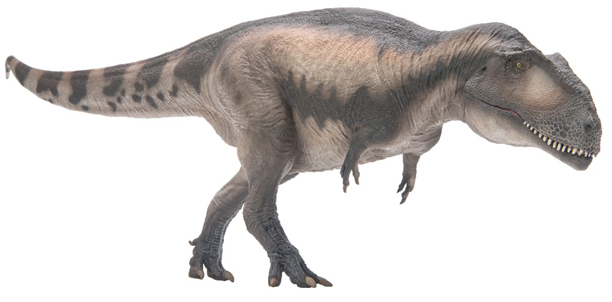
Our thanks to model collector and dinosaur fan William who sent into Everything Dinosaur a review of the Mila the Mapusaurus dinosaur model. The Mapusaurus figure is one of several carcharodontosaurid models offered by PNSO.
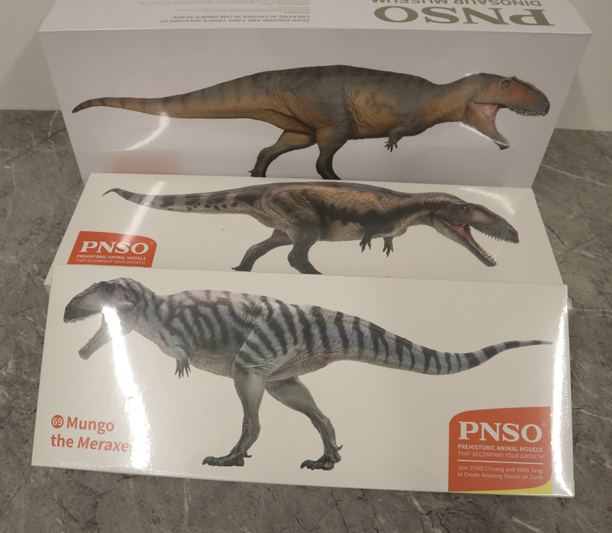
William emailed Everything Dinosaur and explained that Mila arrived along with the new Lucas 2.0 Giganotosaurus model and Mungo the Meraxes.
The reviewer commented:
“All together an impressive trio of titans from the Southern Hemisphere”.
PNSO Mila the Mapusaurus
William explained that with the discovery of the Meraxes fossil material palaeontologists had a better understanding of carcharodontosaurid cranium anatomy. The head of the Mapusaurus model was described as being well-defined with prominent lacrimal crests and a nasal ridge.
The detailing around the eyes and the skin folds associated with the head sculpt were praised.
The PNSO Mila the Mapusaurus dinosaur model.
William explained that the majority of the theropod figures supplied by PNSO have articulated jaws. He highlighted the detailing around the jaws including the roof of the mouth.
Reviewing the Model’s Body
The powerful neck is mentioned, and the point made about the completeness of the holotype fossil material aiding the carcharodontosaurid design. The similarity between carcharodontosaurid body plans is noted and the skin folds and texture praised.
William stated:
“From tip to tip every inch of Mila is an example of how to do a proper dinosaur figure. Even the cloaca is spot on.”
A trio of carcharodontosaurids. The new PNSO Giganotosaurus model in 1:35 scale (top) along with the PNSO Mapusaurus (middle) and Meraxes figures (bottom). Picture credit: Everything Dinosaur.
Picture credit: Everything Dinosaur
The Mapusaurus Limbs
The reduced forelimbs on the figure are examined. They were reduced in members of the Carcharodontosauridae. The reduction in size is not as extreme as within the abelisaurids or Tyrannosauridae. The reviewer explained that the highly detailed hands had three fingers. Each finger displayed a large claw, with the middle finger the largest of the three.
When referring to the hind legs, William commented:
“Mila’s hindlimbs are superbly sculpted with ripples and hints of veins. Each foot has three superb toes.”
The reviewer comments on the body colour and praised the combination of grey with a hint of rose pink. The colour scheme is a homage to the rosy, pink rocks associated with the holotype fossil material and honours Rose Letwin a sponsor of the excavation project.
The wide, charcoal stripes are highlighted, and the reviewer contrasts the Mapusaurus with other PNSO theropod figures.
Concluding his review William states:
“To the touch you can feel the fine detailing of the scales and the small scutes, the ripples folds and muscles are all very pleasing.”
An apex predator – the Mapusaurus dinosaur model from PNSO.
He also explains that the PNSO Mila the Mapusaurus dinosaur model is supplied with a transparent support stand. An information booklet and a colour poster are also included.
Time Period: Late Cretaceous 93.9–89.6 Million Years (Cenomanian faunal stage of the Late Cretaceous) Location: Argentina Province of Neuquén Cañadón del Gato.
Discovery: Over a period four years from 1997-2001 the Mapusaurus holotype was recovered by an Argentinian-Canadian Dinosaur Project. The holotype was described and named in 2006 by renowned palaeontologists Rodolfo Coria and Phil Currie.
Classifying the Dinosaur (PNSO Mila the Mapusaurus)
William also provided information on the taxonomy of Mapusaurus roseae.
He estimated that this theropod weighed around five tonnes and measured between thirty-six and forty feet in length.
Mapusaurus co-existed with several other theropods including Skorpiovenator and Ilokelesia.
Concluding his review William stated:
“All the PNSO Charcharodontosauridae figures are worthy of a place in any novice or serious collectors‘ collection. They are outstanding in every way.”
Our thanks to William for sending in his PNSO Mila the Mapusaurus dinosaur model review.
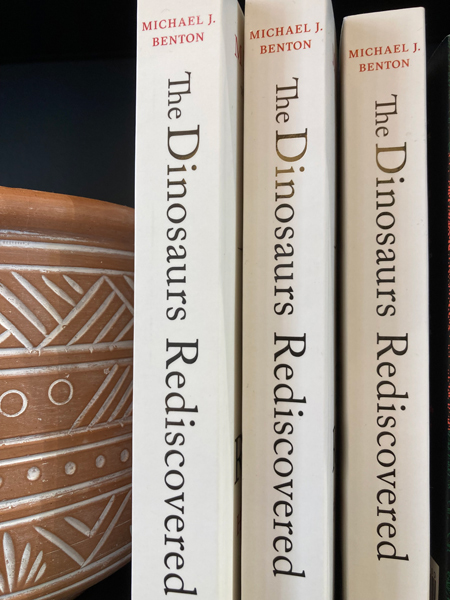
It’s another case of dinosaur book bingo. A book entitled “The Dinosaurs Rediscovered” was spotted in a museum gift shop. This excellent and popular book was published in 2019. Professor Michael Benton is based at the School of Earth Sciences at the University of Bristol.
Another case of dinosaur book bingo. The book “The Dinosaurs Rediscovered” by Michael J. Benton spotted in a museum shop. Picture credit: Everything Dinosaur.
Picture credit: Everything Dinosaur
“The Dinosaurs Rediscovered”
Mike Benton is a professor of vertebrate palaeontology. He studies the large-scale evolution of major groups such as the Dinosauria and other archosaurs. He explores the effects of mass extinctions, environmental change, and biological innovation on the evolution of reptiles, mammals and birds. Professor Benton has written dozens of books about dinosaurs and prehistoric animals. He is a highly respected author.
Professor Benton outlines the changes in palaeontology over the last twenty years. He discusses new fossil discoveries and the impact of new technologies on research. The book illustrates how our perceptions regarding the Dinosauria have changed. We are living in a “golden age” of dinosaur research.
Book Reviews
The book has proved to be extremely popular. It has been widely praised.
The eminent British palaeontologist Richard Fortey OBE stated that the book was an engaging account of the evolution of the “terrible lizards”. It is aimed at readers with a general interest in life in the past.
He commented:
“Mike Benton has brought together all the latest information in this succinct and well-illustrated book.”
Everything Dinosaur team members will see if they can spot more dinosaur books over the summer. We shall continue to play dinosaur book bingo. What other titles can we observe whilst on our adventures?
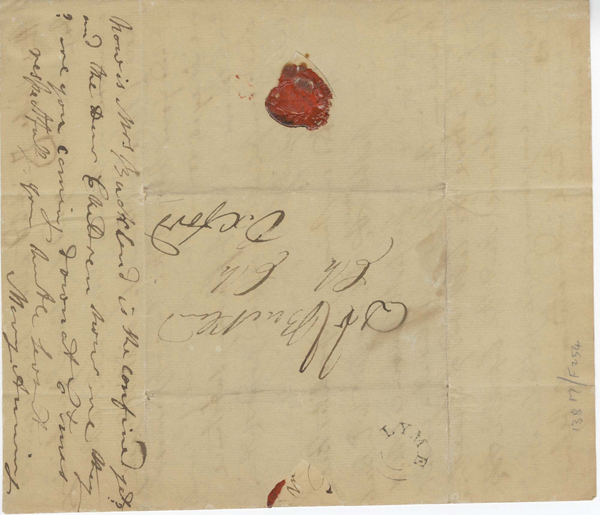
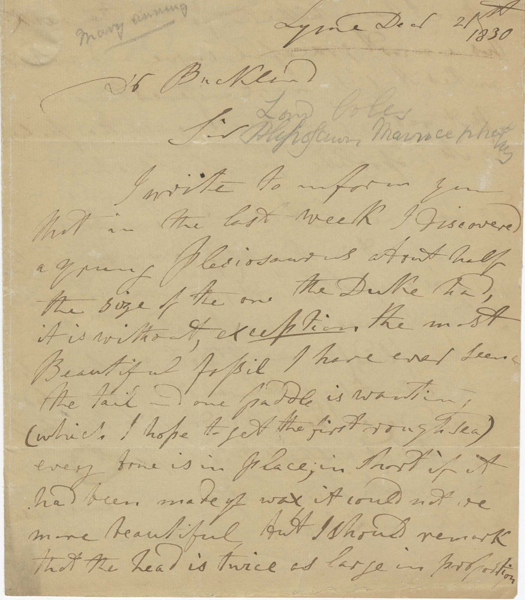
A letter from Mary Anning to the Reverend William Buckland forms part of an extensive archive recently purchased by a museum. The Oxford University Museum of Natural History has acquired archive material belonging to pioneering geologist the Reverend William Buckland and his artist and illustrator wife Mary (née Morland). The archive includes a rare Mary Anning letter.
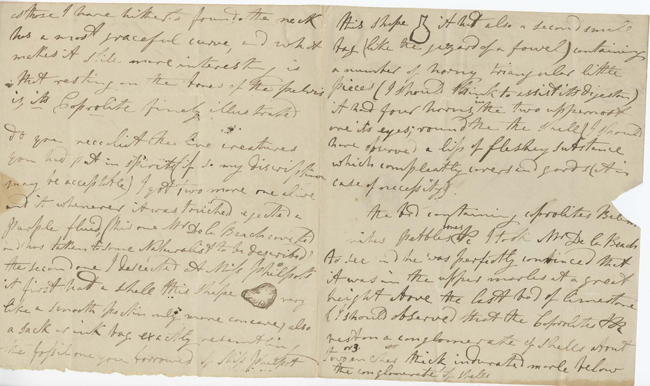
Part of a signed letter from Mary Anning to William Buckland from December 21st 1830. Mary Anning wrote to the Reverend Buckland to inform him about the recent discovery of a plesiosaur fossil. Picture credit: Oxford University Museum of Natural History.
The Mary Anning Letter
As a woman, Mary was largely excluded by the male-dominated scientific community. However, she did know more about fossils, geology and palaeontology compared to many of her gentleman patrons who purchased fossils from her. Only a few documents penned by Mary Anning exist. Pages from Mary Anning’s notebook are on display at the Dorset County Museum. A letter from Mary to William Buckland discussing the plesiosaur discovery forms an important part of the Buckland archive.
Mary in collaboration with family members excavated many extremely important fossil specimens including ichthyosaurs, plesiosaurs and fish. In December 1828, Mary Anning discovered the first pterosaur fossil reported from England. This specimen was described by the Reverend William Buckland a year later (Dimorphodon macronyx).
A section of the Mary Anning letter to William Buckland. Picture credit: Oxford University Museum of Natural History.
A spokesperson from Everything Dinosaur commented:
“This is an important, historical and culturally significant archive. The archive will fit with the Oxford University Museum’s existing collection. It will help to provide a better understanding of the contribution made to science and to scientific debate in the Georgian/Victorian era.”
Thanks to researchers from the University of Bristol, the culprit behind the infamous destruction of New York’s first life-size dinosaur theme park has been revealed. A New York museum mystery has been solved.
A new paper from the University of Bristol documents the bizarre case of the destruction of prehistoric animal figures destined for New York’s Central Park. The research team have shed light on one of the strangest and most puzzling events in the early history of palaeontology.
In May 1871, the partially built, life-size models of prehistoric creatures including several dinosaurs, being created for a new museum were totally destroyed in an act of malicious vandalism by a gang of thugs armed with sledgehammers. The remains were carted away and buried somewhere in the park. They have not been found to date.
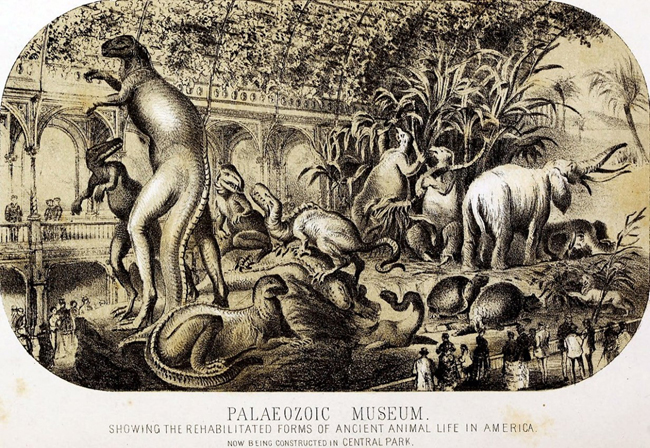
The sculptor Benjamin Waterhouse Hawkin’s conceptual drawing of the Palaeozoic Museum. Picture credit: Annual report of the Board of Commissioners of the Central Park (1858).
American Politician William “Boss” Tweed Not Involved
It had been widely thought that the destruction of the statues was ordered by the notorious American politician William “Boss” Tweed.
In the new paper from Ms Victoria Coules of Bristol’s Department of History of Art and Professor Michael Benton of Bristol’s School of Earth Sciences, the politician is exonerated. New light on this bizarre episode has been shed. Contrary to previous accounts, it was the Treasurer and Vice President of the Central Park, Henry Hilton who most likely, organised the vandalism.
Ms Coules commented:
“It’s all to do with the struggle for control of New York city in the years following the American Civil War (1861-1865). The city was at the centre of a power struggle – a battle for control of the city’s finances and lucrative building and development contracts.”
A New York City Power Struggle
As the city expanded, the iconic Central Park was taking shape. It was to be more than just a green space. It was to have other attractions, including the Palaeozoic Museum. Benjamin Waterhouse Hawkins, a famous British sculptor who had created the Crystal Palace Dinosaurs, the life-size models of prehistoric creatures in London – had travelled to the USA to build American versions of the animals.
However, the notorious William “Boss” Tweed had taken control of the city and, in sweeping changes to the city’s management, put his own henchmen in charge of city departments, including Central Park. They cancelled the partially complete project in late 1870. There the matter would have lain but in May 1871 someone ordered a gang of workmen to smash all of its partly finished contents.
Professor Benton (University of Bristol) explained:
“Previous accounts of the incident had always reported that this was done under the personal instruction of “Boss” Tweed himself, for various motives from raging that the display would be blasphemous, to vengeance for a perceived criticism of him in a New York Times report of the project’s cancellation.”
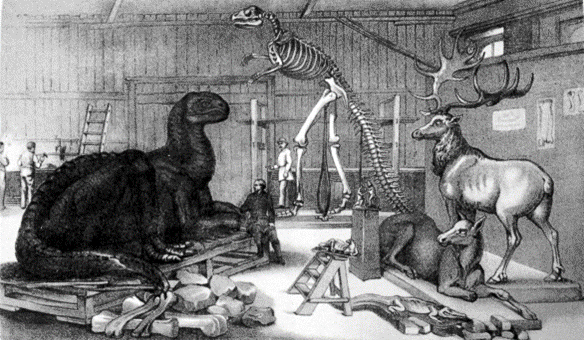
The studio of Benjamin Waterhouse Hawkins at the Central Park Arsenal, with models of extinct animals. Published in The 12th Annual Report of the Board of Commissioners of the Central Park for the Year Ending December 31st 1868. Picture credit: The University of Bristol.
Things Did Not Seem Right
Ms Coules added that when reading the reports, suspicions were raised. At the time, Tweed was fighting for his political life having already been accused of financial impropriety. Why would he have got himself involved in a museum project?
The research team examined the original sources and discovered that the culprit was not Tweed.
“The motive was not blasphemy or hurt vanity”.
A Complicated New York Museum Mystery
The situation was complicated by two other projects in development at the same time in Central Park. The building of the American Museum of Natural History and the Central Park Zoo.
Professor Benton explained:
“Drawing on the detailed annual reports and minutes of Central Park, along with reports in the New York Times, we can show that the real villain was one strange character by the name of Henry Hilton.”
Ms Coules stated that with the primary information sources available on-line, the researchers could study them in detail. They were able to demonstrate that the destruction of the prehistoric animal statues was ordered by Henry Hilton. He was the Treasurer and Vice President of Central Park.
Hilton was already infamous for other eccentric behaviour. For example, he ordered a bronze statue in the Park painted white. When the skeleton of a whale was donated to the American Museum of Natural History, he ordered that painted white too.
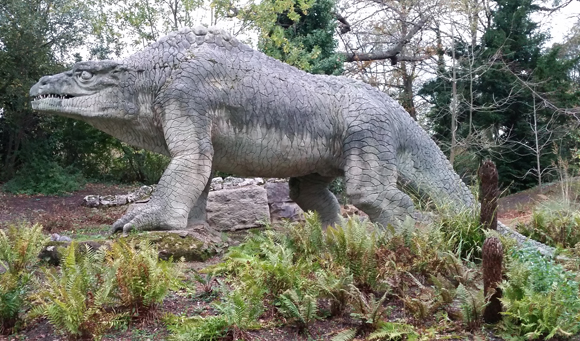
The Megalosaurus statue at Crystal Palace a dinosaur from 1854. This sculpture is still on display in south London. Picture credit: Everything Dinosaur.
Picture credit: Everything Dinosaur
The picture above shows one of the Crystal Palace prehistoric animal statues. This is the Megalosaurus. Like the other sculptures at Crystal Palace, it is a Grade I listed building.
Summing up this bizarre tale, Professor Benton concluded:
“This might seem like a local act of thuggery but correcting the record is hugely important in our understanding of the history of palaeontology. We show it wasn’t blasphemy, or an act of petty vengeance by William Tweed, but the act of a very strange individual who made equally bizarre decisions about how artefacts should be treated – painting statues or whale skeletons white and destroying the museum models. He can be seen as the villain of the piece but as a character, Hilton remains an enigmatic mystery.”
Everything Dinosaur acknowledges the assistance of a media release from the University of Bristol in the compilation of this article.
The scientific paper: “The curious case of Central Park’s dinosaurs: The destruction of Benjamin Waterhouse Hawkins’ Paleozoic Museum revisited” by Victoria Coules and Michael J. Benton published in the Proceedings of the Geologists’ Association.
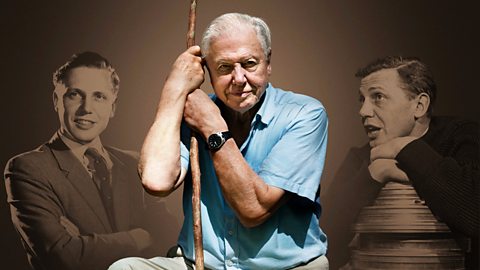
Everything Dinosaur team members have been examining generative artificial intelligence (GenAI) and how this exciting new technology might change the company. Recently, to commemorate the ninety-seventh birthday of Sir David Attenborough, Everything Dinosaur asked ChatGPT to write a short blog post. The ChatGPT artificial intelligence wrote a short biography of the naturalist and broadcaster. We also asked ChatGPT to compose a short birthday message to Sir David.
Artificial intelligence has a myriad of applications. As part of our testing programme to assess the scope of the current technology, we challenged ChatGPT (version 3.5) to provide Everything Dinosaur with five facts about Tyrannosaurus rex.
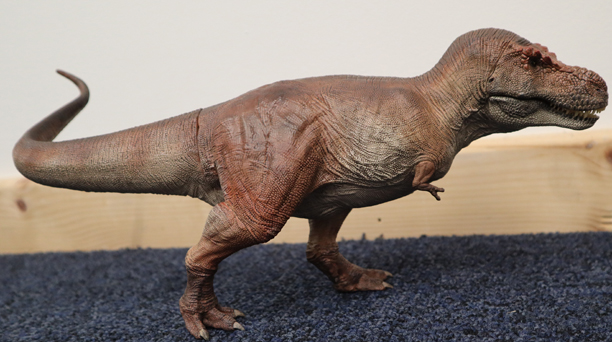
The Rebor T. rex Tusk King T. rex Requiem model is supplied with a clear plastic support base, but our models appear quite stable even standing on our office carpet without the need for the support stand. Can ChatGPT provide five facts about this famous dinosaur? Picture credit: Everything Dinosaur.
The picture (above) shows a Tyrannosaurus figure from Rebor (Tusk).
In response to our question “list five facts about Tyrannosaurus rex, here are the five facts about T. rex that ChatGPT compiled:
1). Tyrannosaurus rex lived during the Late Cretaceous period (approximately 68 to 65 million years ago).
It is true that T. rex lived during the Late Cretaceous however, we would take issue with the temporal range suggested. The date of the end-Cretaceous extinction event and the demise of the non-avian Dinosauria is now thought to have occurred around 66 million years ago. T. rex is known from several Upper Cretaceous North American formations, dating the fossil bones is notoriously difficult.
The Size of Tyrannosaurus rex
2). Tyrannosaurus rex was one of the largest land predators ever to exist, measuring up to 12 metres (40 feet) long and weighing up to 6.8 metric tonnes (15,000 pounds).
We will not dispute the ChatGPT comment about T. rex being one of the largest land predators ever. However, the size estimates could be disputed. For example, the biggest specimens described to date “Sue” and “Scotty” measure more than 12 metres in length. The robust “Scotty” is estimated to be around 13 metres long with a body weight calculated at approximately 8.8 tonnes (19,400 pounds).
3). Tyrannosaurus rex had a powerful bite force of up to 12,800 pounds per square inch – enough to crush the bones of its prey.
Not much to dispute here. There has been a considerable amount of research into the potential bite force of an adult animal. A study published in 2012 (Bates and Falkingham) did indeed suggest a bite force around 12,800 lbs, for the teeth located in the back of the mouth. The researchers suggested a potential range of bite forces, with 12,800 lbs being at the upper end of their estimates.
Banana-shaped Eyes?
4). Tyrannosaurus rex had two large, banana-shaped eyes which gave it good depth perception and probably excellent vision.
This is not true, T. rex did not have two large, banana-shaped eyes. We suspect that this is the GenAI confusing two aspects of tyrannosaur cranial anatomy. Something that a real person would intuitively consider incorrect. T. rex is famous for its large teeth, often described as being banana-shaped. Its eyes were spherical and quite big, about the size of a tennis ball.
ChatGPT is correct when it asserts that it had good depth perception and probably excellent vision. Many palaeontologists suggest that T. rex had vision as good as a modern-day bird of prey.
The Rebor GrabNGo 02 T. rex Type A in anterior view. T. rex probably had excellent, binocular vision. Picture credit: Everything Dinosaur.
Picture credit: Everything Dinosaur
5). Tyrannosaurus rex had a small brain compared to its body size, with a brain volume of only 1.5 litres (2.6 pints).
It is accurate to state that T. rex had a small brain relative to its body mass. This does not provide a measure of intelligence. For example, many birds such as crows and pigeons have small brains, but they are capable of solving complex problems and prodigious feats of memory and navigation. The statement about brain volume could also be disputed. Soft tissue preservation in the fossil record is exceptionally rare. No T. rex brain tissue has yet been found.
Brain size assessments are based on the volume of the braincase as calculated when skull bones are reconstructed. It would also be incorrect to assume that the brain of a Tyrannosaurus rex would completely fill the braincase, so only the maximum potential brain volume can be calculated.
Whilst errors can be identified in the answers given, we congratulate ChatGPT. It was a credible effort, particularly since the data set that the programme was working on was last updated in September 2021 or thereabouts.
The use of GenAI in writing books about dinosaurs, teaching about dinosaurs and perhaps providing updated display boards in museums is not too far away.
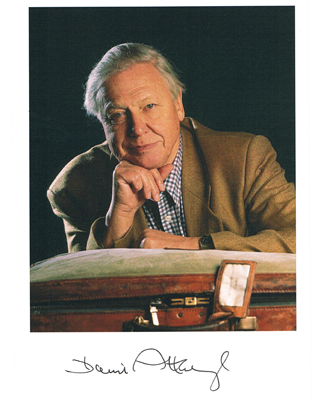
Today, is the ninety-seventh birthday of Sir David Attenborough. On behalf of everyone at Everything Dinosaur we would like to wish Sir David “Many Happy Returns”. Over his extraordinary career, this British naturalist and broadcaster has seen the world change in dramatic and astonishing ways.
One huge and very recent development is the advance of generative artificial intelligence (GenAI). To illustrate this, we have asked ChatGPT to write today’s Everything Dinosaur blog post. ChatGPT writing a tribute to Sir David Attenborough.
Many Happy Returns Sir David Attenborough!
ChatGPT Pays Tribute to Sir David Attenborough
Sir David Attenborough is one of the most beloved broadcasters of all time. His career has spanned over seven decades, and his work has made an incredible impact on our understanding of the natural world. On May 8th, 2023, he will be celebrating his 97th birthday, and it’s worth taking a moment to appreciate his incredible achievements and contributions.
Sir David Attenborough’s broadcasting career began in 1952, when he joined the BBC. He quickly gained a reputation for his exceptional knowledge and skill in presenting natural history programmes. He has since presented a variety of programmes, including Life on Earth, The Blue Planet, Planet Earth, and Frozen Planet. Each of these programmes has gone on to become hugely popular, and they have had a major impact on our understanding of the natural world.
In addition to his broadcasting work, Sir David Attenborough has also written numerous books and articles on natural history topics. He has also been an active campaigner for environmental conservation. He has spoken out against climate change and the destruction of natural habitats, and he has worked to promote sustainable practices.
Beloved Figure in Conservation and Environmentalism
Sir David Attenborough is one of the most beloved figures in conservation and environmentalism. His decades of work have had a profound impact on the way people think about the environment, inspiring countless others to take action and protect our planet.
Sir David’s passion for the natural world is evident in his work. He is a master storyteller, with the ability to capture both the beauty and fragility of our planet in ways that inspire us to appreciate and protect it. He has used his platform as a natural historian and broadcaster to engage millions of people across the world in conversations around conservation and sustainability.
Our thanks to ChatGPT for creating this short tribute to Sir David Attenborough.
Happy Birthday!
We asked the artificial intelligence software to generate a birthday message.
This is what ChatGPT produced:
“Happy Birthday, Sir David Attenborough! You have truly made a remarkable impact on the world of natural history, and we are so grateful for your immense contributions to the environment. Wishing you a wonderful day filled with joy and happiness!”
A gentleman and a scholar.
We could not have put this better ourselves…
This blog post provides a demonstration of the power and scope of GenAI. It is going to change the world, hopefully for the benefit of all humanity.
As for the Everything Dinosaur blog, we will continue to invest our own time and use our own efforts to produce posts. If we utilise artificial intelligence in any future article, we will make sure to inform our readers.
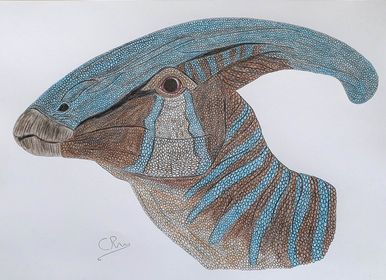
Our thanks to young artist Caldey who sent into Everything Dinosaur a superb drawing of the head of a Parasaurolophus. We were informed that Parasaurolophus is one of Caldey’s favourite dinosaurs. She enjoyed its brief appearance in the first “Jurassic Park” movie. It is a superb Parasaurolophus drawing.
Our thanks to young artist Caldey who sent into Everything Dinosaur a fine illustration of the head of a Parasaurolophus. Picture credit: Caldey.
Picture credit: Caldey
Parasaurolophus Head Drawing
The young artist has given her Parasaurolophus an impressive head crest and the blue motif works exceptionally well. It is thought that these lambeosaurine hadrosaurs had colour vision. So, why not give the Parasaurolophus a colourful appearance. Caldey has taken great care to include details of the skin and the dinosaur’s skin texture. The beak has been drawn accurately. In addition, that is a very impressive and professional signature that has been incorporated into the drawing.
A spokesperson from Everything Dinosaur commented:
“Our thanks to Caldey for sending in her illustration. It is superb. Team members have had to prepare a script all about Parasaurolophus. The script was required for a series of short YouTube videos being created to celebrate the thirtieth anniversary of the film Jurassic Park.”
Parasaurolophus in “Jurassic Park”
Parasaurolophus may only have a relatively minor role in the 1993 film. However, its fleeting screen appearance sets the scene for what is to come in the rest of the film and vividly demonstrates how our perception of the Dinosauria has radically changed.
Our thanks to Caldey for sending in her Parasaurolophus illustration.
Oxford University Museum of Natural History has completed the purchase of archive material belonging to pioneering geologist the Reverend William Buckland and his wife Mary (née Morland).
This is an important, historical and culturally significant archive that has been acquired by the Oxford University Museum of Natural History (OUMNH). The material which documents the contribution to science by the 19th century theologian and geologist contains over 1,000 items. There are notebooks, family papers, drawings, artworks and letters. The collection is noteworthy as it also highlights the contribution of Buckland’s wife Mary (née Morland). Mary was a talented artist and naturalist.
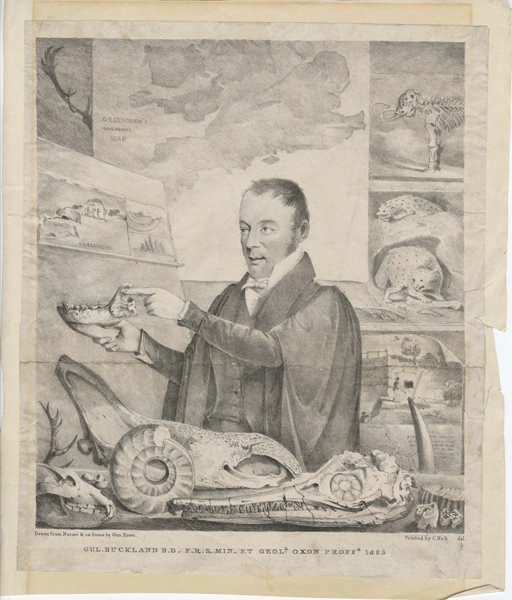
A portrait of the Reverend William Buckland. Picture credit: Oxford University Museum of Natural History.
Funding the Acquisition
The acquisition has been made possible with support from the Friends of the National Libraries, Headley Trust, the Arts Council England/V&A Purchase Grant Fund and National Heritage Memorial Fund. Private donors also contributed.
Head of Earth Collections at the OUMNH, Eliza Howlett stated:
“The Museum’s acquisition of a large collection of Buckland papers from private hands is a game-changer for historians of science and others with an interest in the histories of gender, class, and colonialism. Combined with the already large and diverse Oxford collections, the new materials will confirm OUMNH as the epicentre for future research, and we are tremendously grateful to the many trusts and foundations, and to the private individuals, who generously contributed to this purchase.”
This important collection also includes correspondence between Mary Anning and William Buckland about new fossil discoveries. In a letter penned by Mary Anning the famous Lyme Regis resident informs the Reverend William Buckland about the discovery of Plesiosaurus remains.
Part of a signed letter from Mary Anning to William Buckland from December 21st 1830, informing him of a plesiosaur skeleton she had recently discovered. Picture credit: Oxford University Museum of Natural History.
William Buckland
William Buckland was a hugely influential figure in academia, religion, politics and science. He successively held the positions of Reader in Mineralogy and Geology at Oxford University; Dean of Westminster and Canon of Christ Church, Oxford.
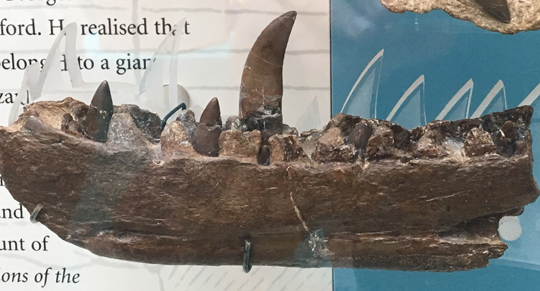
He is accredited with the first, formal scientific description of a dinosaur (Megalosaurus bucklandii). This was one of three genera placed into the Dinosauria by Richard Owen in the early 1840s.
The partial dentary with teeth associated with Megalosaurus bucklandii on display at the Oxford University Museum of Natural History. Picture credit: Everything Dinosaur.
The reverend William Buckland also pioneered palaeoecology with is ground-breaking study of an ancient hyena den. Buckland was also a notable convert to glacial theory, and showed how glaciation rather than a global flood shaped the British landscape.
An Insight into the Life of a Pioneering Scientist
This extensive archive reveals aspects of Buckland’s life as a student at Corpus Christi College, Oxford, as well his work as a practising geologist, eminent member of the clergy and university lecturer. Evidence from the archive provides a comprehensive insight into the thinking and institutions of the early 19th century. During this time, the biblical interpretation of creation was being challenged. Material in the archive documents correspondence with major figures such as art critic John Ruskin and prime minister Robert Peel.
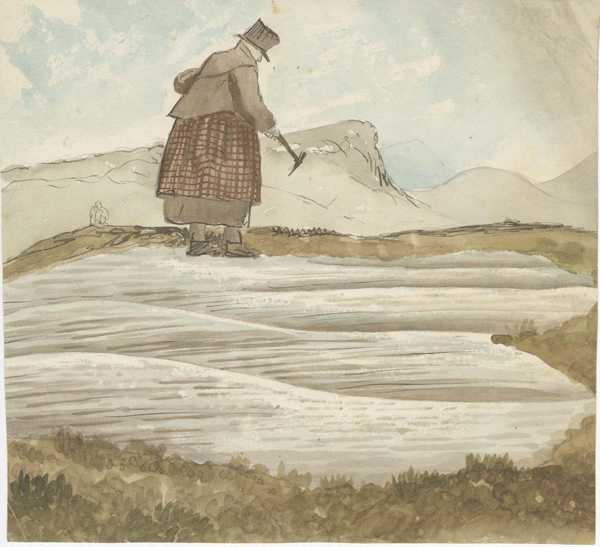
A watercolour of the Reverend William Buckland inspecting a rock formation in Snowdonia, by Thomas Sopwith (October 1841). Picture credit: Oxford University Museum of Natural History.
Identifying Iconic Artworks
The archive also includes original artworks, such as Thomas Sopwith’s watercolour of William Buckland exploring a rock formation armed with a geological hammer. It had been thought that this artwork portrayed Mary Anning. The collection also includes an exceptionally rare, coloured version of the lithograph based on Henry de la Beche’s drawing Duria Antiquior. The artwork, depicting prehistoric Dorset, is famous for being the first pictorial representation of a scene of prehistoric life based on fossil evidence.
Mary’s Contribution is Recognised
This substantial archive also includes a number of illustrations created by Buckland’s wife Mary (née Morland). Highlights include two of Mary’s sketchbooks. One of these, dating from before her marriage to Buckland, contains exquisite ink and watercolour drawings of natural history specimens, and highlights the huge artistic and scientific contribution she made to her husband’s work.
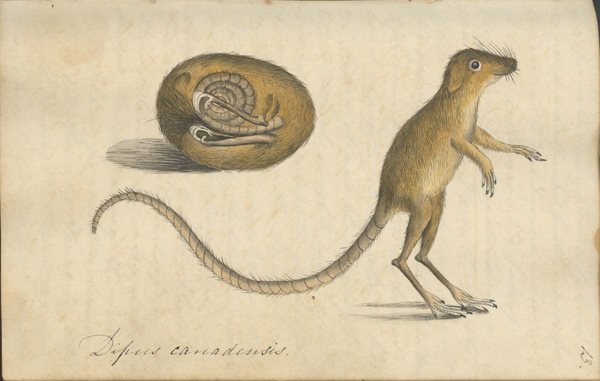
A watercolour of Dipus canadensis, a jumping mouse from Canada, by Mary Morland circa 1817 from her notebook of specimens. Picture credit: Oxford University Museum of Natural History.
Dr Simon Thurley CBE, Chair of the National Heritage Memorial Fund, commented:
“I am delighted the National Heritage Memorial Fund is able to support Oxford University Museum of Natural History to acquire the outstanding Buckland Archive and ensure that the collection remains together and is saved for the nation.”
Uniting the Collections
The Oxford University Museum of Natural History is already a significant repository for Buckland’s work. This new archive will fit with the Museum’s existing collection, helping to provide a more complete understanding of the contribution made to science and to scientific debate.
Reuniting these collections both physically and digitally will allow researchers and other museum audiences access to the full spectrum of Buckland material.
Everything Dinosaur acknowledges the assistance of a media release from the Oxford University Museum of Natural History in the compilation of this article.
Occasionally, when Everything Dinosaur team members are not in the office or warehouse, they get the chance to unwind by visiting a bookshop. As they peruse the shelves and examine the titles a new game has developed. It is called dinosaur book bingo. Can a book reviewed by Everything Dinosaur be spotted in the shop?
The paperback edition of “The Rise and Fall of the Dinosaurs” by Steve Brusatte. A fabulous dinosaur book. Picture credit: Everything Dinosaur.
Picture credit: Everything Dinosaur
“The Rise and Fall of the Dinosaurs”
Whilst taking a well-earned break from work to visit a regional shopping centre, team members indulged in a little bit of dinosaur book bingo. A paperback copy of the excellent “The Rise and Fall of the Dinosaurs” by palaeontologist Steve Brusatte was spotted.
Everything Dinosaur team members had the pleasure of reading an inspection copy in the early spring of 2018. The book was published in May 2018.
The paperback edition was introduced early in 2019.
A Highly Recommended Dinosaur Book
Dr Steve Brusatte is an American palaeontologist based at the University of Edinburgh. He has worked on numerous dinosaurs and pterosaurs including several important specimens that have been found in his adopted home of Scotland (Isle of Skye).
This is a highly recommended dinosaur book.
Dr Brusatte takes the reader on a journey. He chronicles the evolution of the first dinosaurs and plots their gradual rise to dominance over other reptilian contemporaries. Dr Brusatte charts their progress through the end Triassic extinction event to their emergence as the dominant terrestrial megafauna on our planet. Tyrannosaurus rex and its relatives are thoroughly reviewed. The evidence for feathers in the non-avian Dinosauria is comprehensively covered.