All about dinosaurs, fossils and prehistoric animals by Everything Dinosaur team members.

Everything Dinosaur’s work with photoshop and other platforms.

12 12, 2021

New Dinosaur Species Described – Arrudatitan

By |2024-09-16T20:22:26+01:00December 12th, 2021|Categories: Adobe CS5, Dinosaur and Prehistoric Animal News Stories, Dinosaur Fans, Main Page, Palaeontological articles, Photos/Pictures of Fossils|0 Comments

This year (2021), has been another bumper year for dinosaur discoveries with over forty new species of dinosaur described, including several from the British Isles such as Pendraig (P. milnerae) from Wales and four new dinosaurs described from fossil finds on the Isle of Wight (Brighstoneus, Ceratosuchops, Riparovenator and Vectiraptor).

New genera are erected based on new fossil discoveries. In addition, a new dinosaur genus or species can be established based on a revision of existing and previously studied fossil material. A new genus of Late Cretaceous, Brazilian titanosaur was announced this year, based on fragmentary remains that had previously been assigned to a titanosaur that roamed Argentina. Time for Arrudatitan maximus to step out of the shadows.
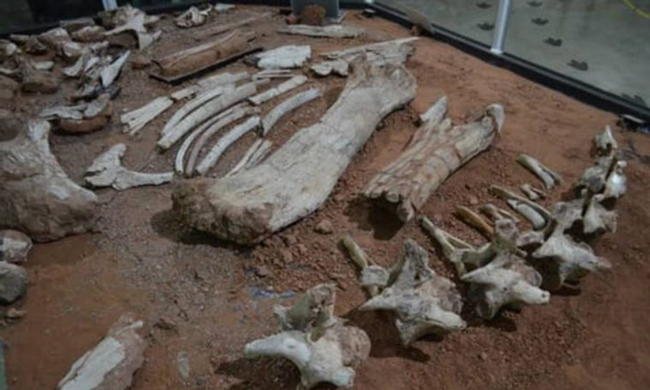
Arrudatitan maximus fossils

The fragmentary fossil bones previously assigned to the Argentinian titanosaur Aeolosaurus maximus and now defined as new Brazilian titanosaur taxon Arrudatitan maximus. Picture credit: Silva Junior et al.

Picture credit: Silva Junior et al

Aeolosaurus maximus

The Aeolosaurus genus was erected by the Argentinian palaeontologist Jaime Powell in 1987 when the first species was named (A. rionegrinus). It was a widespread genus known from numerous individuals collected from Upper Cretaceous deposits, most notably the Angostura Colorada Formation in Río Negro Province, but dinosaur fossils collected from the Bajo Barreal, Los Alamitos and Allen Formations of Argentina have also been assigned to this genus.

The Brazilian fossil remains that led to the erection of the species Aeolosaurus maximus in 2011, have always been regarded as somewhat of an outlier when compared to Aeolosaurus fossil remains discovered in Argentina. A. maximus was described based on vertebrae, ribs, a left ischium, a fragmentary scapula and elements from the limbs including a left femur discovered in 1997 eroding out of an outcrop of the Adamantina Formation in the state of São Paulo state south-eastern Brazil.

Researchers who included Julian Silva Junior (Universidade de São Paulo), reassessed the fossil material following a cladistic analysis in 2019 that challenged the taxonomic placement. Writing in “Historical Biology”, the scientists have confirmed the assertion expressed previously that the Brazilian fossil material represents a distinct genus and the fossils ascribed to Aeolosaurus maximus have been reassigned to the new dinosaur species Arrudatitan maximus.

Arrudatitan maximus scale drawing.

Although the size of A. maximus remains uncertain, based on the femur length of 1.55 metres, palaeontologists estimate that this titanosaur may have reached a length of around 15 metres.

Commenting on the revision, lead author of the scientific paper, doctoral student Julian Silva Junior stated:

“When analysing the caudal vertebrae, we found that they were different to those assigned to Aeolosaurus and these characteristics served to establish a diagnosis to propose a new genus.”

2021 – A Good Year for Titanosaur Discoveries

Several new titanosaur genera have been erected this year including Menucocelsior (M. arriagadai) and Ninjatitan (N. zapatai), which is the oldest titanosaur known to science.

Everything Dinosaur’s list of new titanosaurs named in 2021

  • Arackar licanantay a titanosaur from the Upper Cretaceous Hornitos Formation of Chile.
  • Arrudatitan maximus from the Upper Cretaceous Adamantina Formation of south-eastern Brazil.
  • Australotitan cooperensis a titanosaur from the Winton Formation of Queensland, Australia.
  • Garrigatitan meridionalis from the Upper Cretaceous Argiles Rutilantes Formation of south-eastern France.
  • Hamititan xinjiangensis from the Lower Cretaceous Shengjinkou Formation of north-western China which was coeval with the euhelopodid sauropod Silutitan (S. sinensis) which was also scientifically described in 2021.
  • Menucocelsior arriagadai from the Upper Cretaceous Allen Formation of Argentina.
  • Ninjatitan zapatai the earliest titanosaur known to date described from fossils found in the Lower Cretaceous Bajada Colorada Formation of Argentina.

To read blog posts about some of these newly described titanosaurs:

A new species of titanosaur from the Atacama Desert of northern Chile (Arackar licanantay): A New Titanosaur from Chile – Arackar licanantay.

Australian dinosaur “Cooper” named: “Cooper” – Australotitan cooperensis.

Our article on Hamititan xinjiangensis and Silutitan sinensis: Two New Sauropods from North-western China.

To read the Everything Dinosaur blog post about the earliest titanosaur known to science: Ninjatitan zapatai the Earliest Titanosaur.

The scientific paper: “Reassessment of Aeolosaurus maximus, a titanosaur dinosaur from the Late Cretaceous of Southeastern Brazil” by Julian C. G. Silva Junior, Agustín G. Martinelli, Fabiano V. Iori, Thiago S. Marinho, E. Martín Hechenleitner and Max C. Langer published in Historical Biology.

Visit the Everything Dinosaur website: Dinosaur Toys.
11 12, 2021

Beasts of the Mesozoic Wendiceratops

By |2024-09-15T20:41:56+01:00December 11th, 2021|Categories: Adobe CS5, Dinosaur Fans, Everything Dinosaur Products, Main Page, Product Reviews|0 Comments

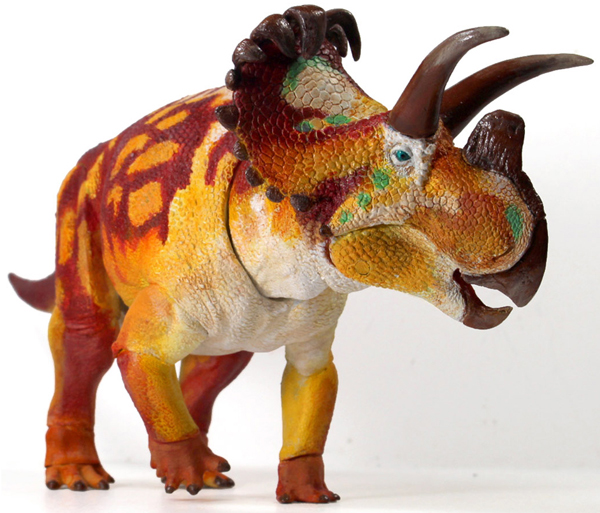
In the Northern Hemisphere it might be cold and dark as we approach the depths of winter, but here are some pictures of the colourful Beasts of the Mesozoic Wendiceratops to brighten your day. The bright and cheery Wendiceratops model (W. pinhornensis), was part of the second wave of horned dinosaurs to be introduced in this series. The Beasts of the Mesozoic ceratopsians are all very colourful, the Wendiceratops, a replica of a Late Cretaceous, Canadian centrosaurine is one of the most spectacular and flamboyant models in the entire range.

Beasts of the Mesozoic Wendiceratops dinosaur model

The colourful Beasts of the Mesozoic Wendiceratops pinhornensis articulated dinosaur model (oblique anterior view).

Colourful Packaging Too

Even the box the figure comes in is beautifully presented with stunning artwork and the packaging incorporates some facts about this large, horned dinosaur that was scientifically described in 2015 (Evans and Ryan).

The Beasts of the Mesozoic Wendiceratops box.

The Beasts of the Mesozoic Wendiceratops pinhornenis product packaging.

Wendiceratops pinhornensis Model Measurements

The Beasts of the Mesozoic Wendiceratops pinhornensis is a fantastic 1:18 scale articulated model. Palaeontologist and author Gregory S. Paul estimates that this centrosaurine measured around 4.5 metres in length and weighed 1,500 kilograms. The Everything Dinosaur fact sheet on this dinosaur, which is sent out with sales of the figure concurs.

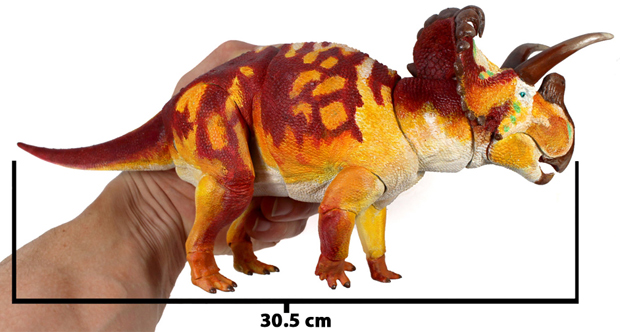
The model itself measures a generous 30.5 cm long, from the end of the tail to the tip of the dinosaur’s broad snout.

Beasts of the Mesozoic Wendiceratops model measurements.

The Beasts of the Mesozoic Wendiceratops model measures 30.5 cm long from nose to tail.

Described as a basal member of the Centrosaurinae subfamily, Wendiceratops roamed Alberta approximately 79 million years ago. Its fossils come from the Oldman Formation and a taxonomic assessment places Wendiceratops as a sister taxon to the geologically younger Sinoceratops (S. zhuchengensis) from the Shandong Province of eastern China.

To read Everything Dinosaur’s article from 2015 about the discovery of Wendiceratops: Wendiceratops from Southern Alberta.

To view the range of Beasts of the Mesozoic dinosaur models available from Everything Dinosaur: Beasts of the Mesozoic Models and Figures.

The award-winning Everything Dinosaur website: Dinosaur Toys.

10 12, 2021

Tarchia tumanovae – New Ankylosaur Species

By |2024-09-15T20:38:09+01:00December 10th, 2021|Categories: Adobe CS5, Dinosaur and Prehistoric Animal News Stories, Dinosaur Fans, Main Page, Palaeontological articles, Photos/Pictures of Fossils|0 Comments

Scientists have named a new species of armoured dinosaur based on cranial and postcranial fossils collected in 2008 from the famous Nemegt Formation of the Gobi Desert, Mongolia. A detailed analysis of the fossil material consisting of a well-preserved skull, vertebrae, ribs, part of the hip and a tail club has been published in the journal “Scientific Reports”. The new ankylosaur has been named Tarchia tumanovae and it is the third species to be assigned to the Tarchia genus.

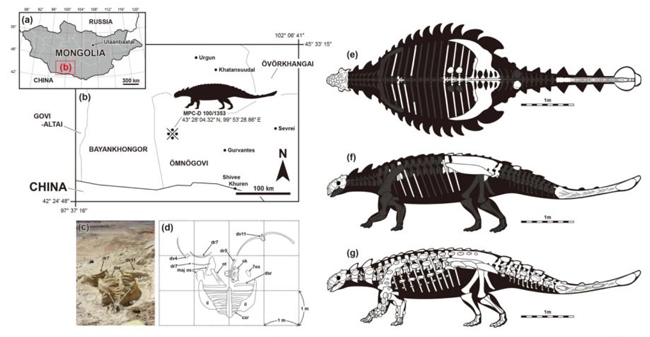
Tarchia tumanovae fossils and line drawings.

Location map (a) of the fossil discovery in Mongolia with (b) a larger scale map showing the fossil quarry. Photograph (c) shows the specimen (MPC-D 100/1353) partially excavated with (d) a line drawing of the fossils in situ. T. tumanovae illustrations show known fossil bones in white (e) dorsal view, (f) left lateral view and (g) shows a skeletal reconstruction with dermal armour. Picture credit: Park et al.

Picture credit: Park et al

Evidence of Injury and a Damaged Tail Club

A joint Korean/Mongolian expedition discovered the fossil material at Hermiin Tsav in the southern Gobi Desert. The ribs show signs of fracture healing and there are localised injuries on the pelvic bones. The researchers speculate that these injuries were probably caused by intraspecific combat. The pathology is consistent with tail club strikes. Intriguingly, the tail club of the skeleton also shows signs of injury. The tail club is asymmetrical when viewed from above (dorsal view). A badly healed ossified tendon on the tail knob handle is present, a possible injury caused as the tail was used during combat. Whether this injury occurred as a result of intraspecific combat or when deterring an attack from a theropod is unknown.

Noting a Change in the Diet of Late Cretaceous Ankylosaurids

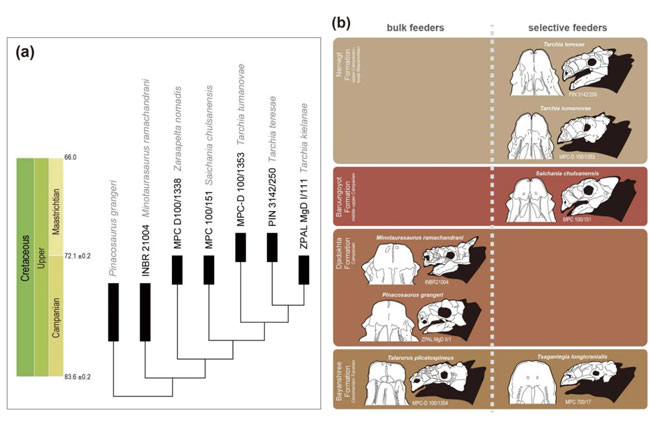
The scientists noted wide muzzles are a character of low-level, bulk feeders, whereas those ankylosaurines with narrower muzzles such as T. tumanovae and the coeval, closely related Tarchia teresae were probably selective feeders. The researchers demonstrate that ankylosaurid diets shifted from one of low-level, relatively unfussy bulk feeders during the early Campanian to more selective diets as characterised by a narrower muzzle by the late Campanian/early Maastrichtian.

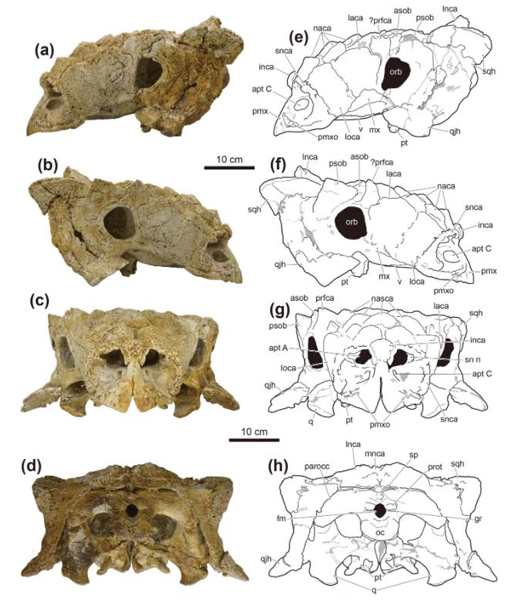
Views of the skull of Tarchia tumanovae with accompanying line drawings.

Photographs (a–d) and line drawings (e–h) of the skull of Tarchia tumanovae sp. nov. (MPC-D 100/1353). Photographs of the skull in (a) left lateral, (b) right lateral, (c) anterior, and (d) occipital views. Line drawings in (e) left lateral, (f) right lateral, (g) anterior, and (h) occipital views.

Picture credit: Park et al

It is not known why ankylosaurids show this trend towards selective feeding, although the researchers speculate that this change could have been a consequence of habitat change as the region gradually became less arid towards the very end of the Cretaceous. The research team also postulate that ankylosaurids evolved more selective browsing habits in response to the presence of bulk-feeding saurolophine hadrosaurids such as Saurolophus angustirostris and Barsboldia sicinskii.

Tarchia was a selective feeder

A diagram showing (a) a phylogenetic analysis of Tarchia tumanovae, placed in the context of geological time. Ankylosaurids from this region seem to have changed feeding strategies, (b), evolving narrower muzzles that indicate a switch from low-level bulk feeding to more selective browsing. Ankylosaurid fossils from the geologically older Bayanshiree and Djadokhta Formations which represent arid habitats had broad muzzles, whilst ankylosaurids from the younger and more humid Nemegt Formation have narrower muzzles. Picture credit: Park et al.

Picture credit: Park et al

Honouring a Famous Researcher

The species name honours Tat’yana A. Tumanova of the Russian Academy of Sciences, in recognition of her contribution to the study of Mongolian armoured dinosaurs.

The scientific paper: “A new ankylosaurid from the Upper Cretaceous Nemegt Formation of Mongolia and implications for paleoecology of armoured dinosaurs” by Jin-Young Park, Yuong-Nam Lee, Yoshitsugu Kobayashi, Louis L. Jacobs, Rinchen Barsbold, Hang-Jae Lee, Namsoo Kim, Kyo-Young Song and Michael J. Polcyn published in “Scientific Reports”.

The Everything Dinosaur website: Dinosaur Models: Dinosaur Models.

9 12, 2021

PNSO To Add a New Triceratops Model

By |2024-09-15T20:07:21+01:00December 9th, 2021|Categories: Adobe CS5, Dinosaur Fans, Everything Dinosaur News and Updates, Everything Dinosaur Products, Main Page, Press Releases|0 Comments

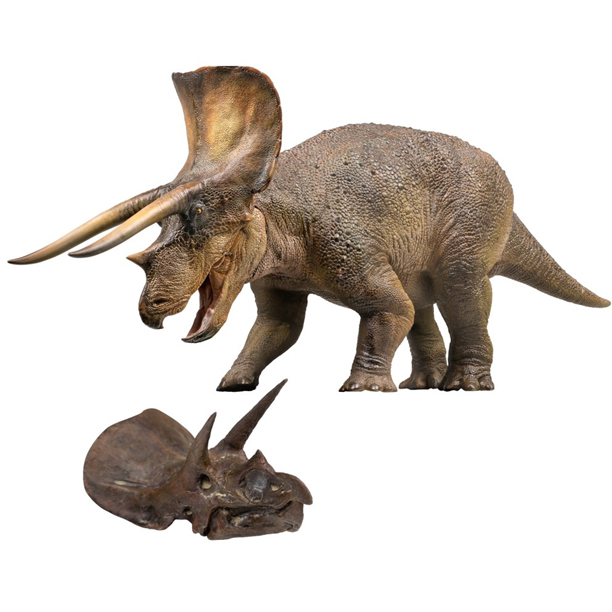
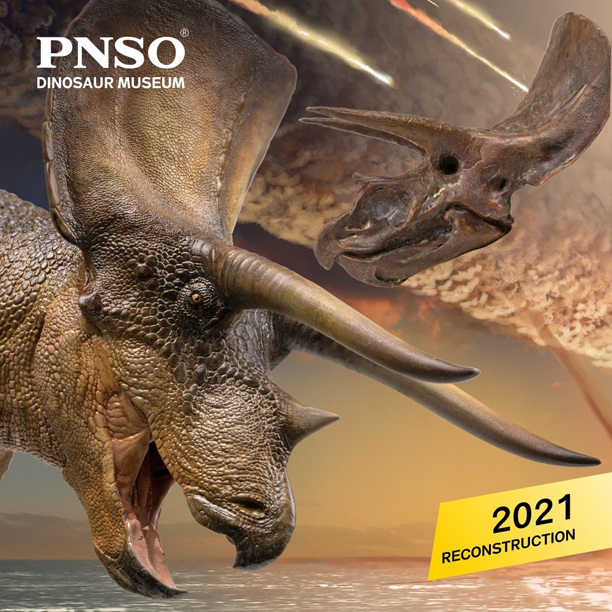
PNSO are to add another version of the popular Doyle the Triceratops model to their scientific art range. The beautifully crafted horned dinosaur figure incorporates some of the very latest research on “three-horned face”. The stunning 1:35 scale dinosaur model will be available from Everything Dinosaur in 2022.

PNSO Doyle the Triceratops (2022)

The new for 2022 PNSO Doyle the Triceratops 1:35 scale model comes complet with a scale model of a Triceratops skull.

Updating Triceratops

One of the most famous of all the dinosaurs, Triceratops is a perennial favourite amongst dinosaur fans and model collectors. Despite having been named and scientifically described more than 130 years ago, (Marsh 1889), there is still a great deal to learn about this ceratopsian. For example, thanks to a superb fossil specimen found in Montana (USA) and now part of the vertebrate fossil collection at Melbourne Museum (Victoria, Australia), palaeontologists have a good idea about tail length and the skin texture.

The design team at PNSO pride themselves in trying to create accurate prehistoric animal models and they have incorporated some of this latest research into their 2021 reconstruction of Triceratops.

PNSO Doyle the Triceratops dinosaur model.

A beautiful model of a Late Cretaceous horned dinosaur. PNSO Doyle the Triceratops dinosaur model.

Detailed Skin Texture

Analysis of skin impressions has revealed that Triceratops had a unique arrangement of scales, unlike any other member of the Ornithischia. Preserved skin of a Triceratops specimen on display at the Houston Museum of Natural Science in Texas (USA), indicates that this ceratopsian had substantial hexagonal tubercles (rounded, prominent scales) along with additional substantial (greater than 10 cm in diameter), tubercles with conical projections.

These skin impressions come from a specimen excavated in Wyoming and nick-named “Lane”. A formal scientific description has yet to be published but the photographs that have been made available suggest that Triceratops had skin somewhat reminiscent of a titanosaur like Saltasaurus.

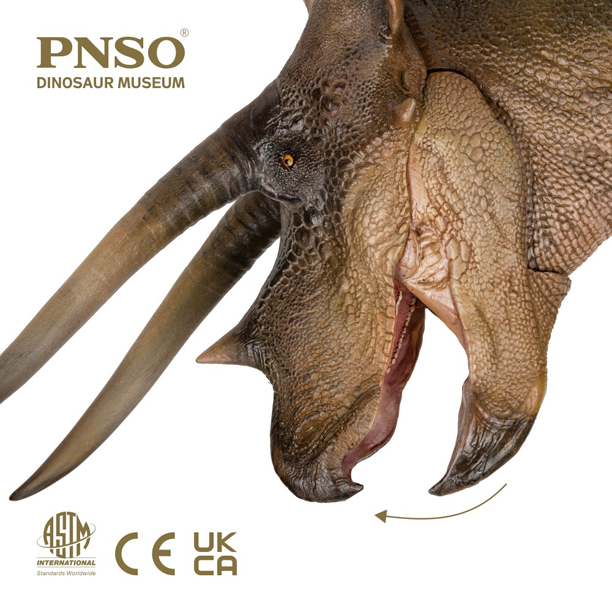
PNSO Doyle the Triceratops model has an articlated lower jaw

The PNSO Doyle the Triceratops model has an articulated jaw.

Model Measurements

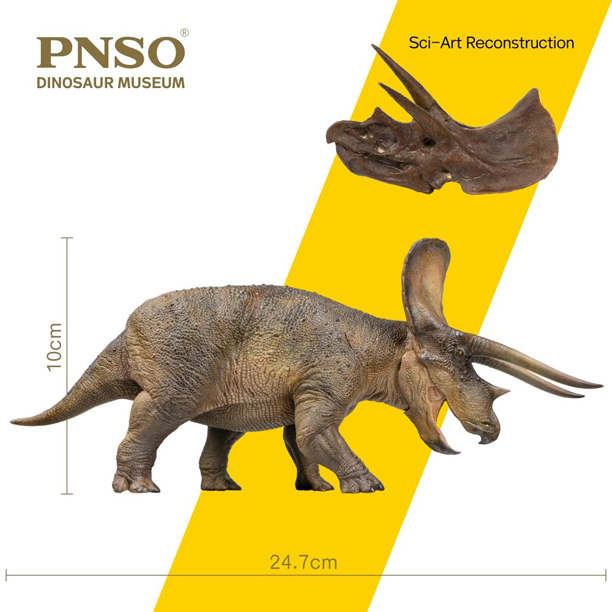
This new for 2022 Doyle the Triceratops figure measures 24.7 cm in length and the top of that skilfully sculpted neck shield stands around 10 cm high. The declared scale for this figure is 1:35. Based on this scale, an adult Triceratops would be estimated to be around 8.6 metres in length, which is within the parameters given for both T. horridus and the geologically younger T. prorsus.

PNSO Doyle the Triceratops (model measurements)

PNSO Doyle model measurements.

When the current PNSO Doyle the Triceratops figure is compared with the new for 2022 version, the figures are approximately the same height, but the 2022 version is around 1 cm shorter.

Triceratops Accessories

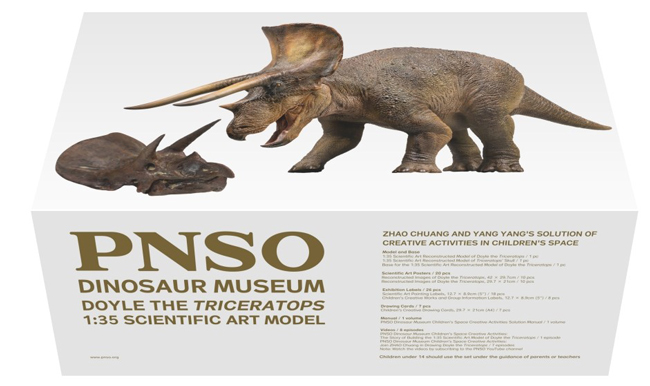
In addition to the superb dinosaur model, the 1:35 scale Triceratops is supplied with a detailed figure of a Triceratops skull, a series of science art posters depicting this iconic dinosaur, a booklet and a QR code which when scanned provides access to a video explaining the story behind the creation of the model.

PNSO Doyle Triceratops product packaging

The new Doyle the Triceratops is supplied with a display base, model skull, posters, art cards and booklet. A QR code can be scanned taking customers to a video that provides details on how the model was created.

A spokesperson from Everything Dinosaur confirmed that the model would be available early next year (2022).

To see the range of PNSO prehistoric animal models in stock at Everything Dinosaur: PNSO Age of Dinosaurs.

The Everything Dinosaur website: Dinosaur Toys.
6 12, 2021

Some Important Advice about Last Recommended Posting Dates (Christmas 2021)

By |2024-09-15T19:29:47+01:00December 6th, 2021|Categories: Adobe CS5, Dinosaur Fans, Everything Dinosaur News and Updates, Main Page, Press Releases|0 Comments

There is not that long to go now before Christmas Day, if you have not started already, time to start thinking about Christmas shopping, especially if you wish to send something abroad. In a bid to help our customers, Everything Dinosaur will be extending packing hours once again in the run up to Christmas and we will continue to pack and dispatch orders for customers as quickly as we can, even arranging for collections from our warehouse on Saturday and Sunday mornings.  We try to do all we can to ensure items ordered from Everything Dinosaur are despatched as quickly as possible.

The table (below), is a guide published by Royal Mail with regards to the last safe posting dates for Christmas mail sent in the UK and overseas (2021).

Please note these recommended last safe posting dates also apply to our other international services such as tracked, signed and tracked and signed.

Posting dates for Christmas 2021.

The last recommended posting dates for Christmas 2021. Table credit: Royal Mail.

Doing our Best to Help Customers

The last recommended posting dates for some countries such as New Zealand and Australia have already passed.

Everything Dinosaur team members continue to do all they can to help customers. Please remember the dates listed above are guidelines only and they are the last recommended posting dates, as always, the best advice we can give is to post early for Christmas, in this way you are helping to ensure that parcels get there in plenty of time for the festivities.

To view more details about Everything Dinosaur’s postage and shipping: Delivery Policy.

Advice and Tips About Christmas Parcels

1). Remember to include the house number or house name with the delivery address information.

2). Check postcode/zip code details carefully. We do have our own automatic address checking software and we do all we can to check delivery addresses.

3). Before pressing the “submit” button to send an order to Everything Dinosaur, check the delivery address one last time, just to be sure.

4). Remember, with purchases from Everything Dinosaur, customers can write a message to us in the order message box. You can write in confirmation of delivery address or any specific, relevant information required to help ensure a rapid delivery.

5). If you want to specify a different delivery address to your billing address, our website allows you to do this easily and without any fuss or bother.

6). If you want to send an item to your work address, please ensure that you include the company name in the delivery address information. Once again, we will do all we can to check delivery addresses.

7). For deliveries in the UK, Royal mail are once again offering a helpful “deliver to your neighbour” service, if you let us know that the parcel can be left with a neighbour, this information will be added to the front of your parcel as part of our labelling procedures, remember to tell us the house number and we will make sure this information is put on the front of your parcel for you.

If you have a query about Christmas deliveries, or indeed any aspect of Everything Dinosaur’s delivery service please feel free to contact us: Email Everything Dinosaur.

Visit our award-winning website: Dinosaur Toys and Dinosaur Models.

5 12, 2021

Pictures of the Nanmu Studio T. rex

By |2024-09-15T19:26:50+01:00December 5th, 2021|Categories: Adobe CS5, Everything Dinosaur News and Updates, Main Page, Photos, Photos of Everything Dinosaur Products|0 Comments

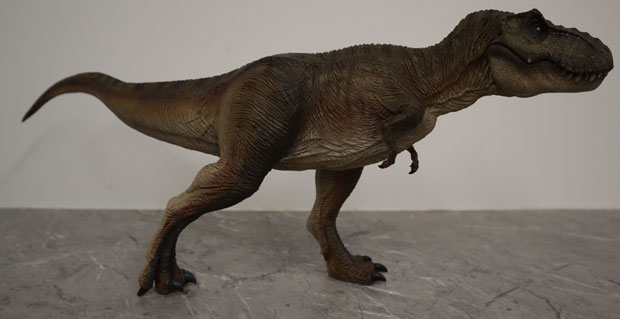
Everything Dinosaur team members were asked by a customer to provide some pictures of the Nanmu Studio T. rex dinosaur model Alpha, the brown colour-variant. The customer was looking for a Tyrannosaurus rex to represent a female “tyrant lizard” for a “Jurassic World” diorama.

Nanmu Studio T. rex dinosaur model (Alpha)

Nanmu Studio T. rex dinosaur model (Alpha) in the brown colouration in lateral view. Picture credit: Everything Dinosaur.

We receive emails from customers asking for photographs and more information about the prehistoric animal models and figures that we stock, we are happy to help where we can.

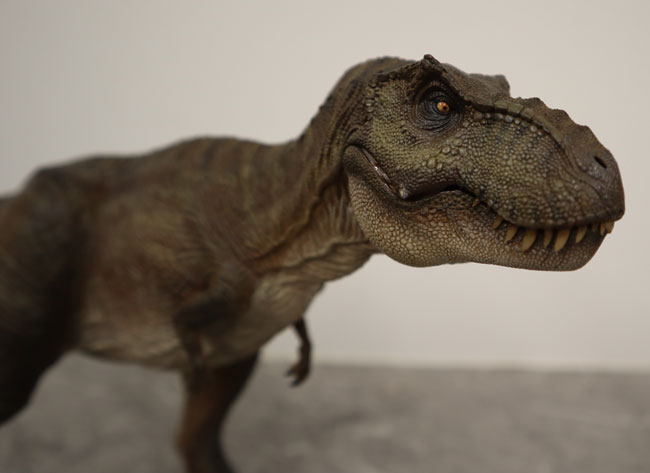
Nanmu Studio T. rex dinosaur model.

A close-up view of the Nanmu Studio Alpha T. rex in the brown colouration. Picture credit: Everything Dinosaur.

Packing Room Photography

Whilst Everything Dinosaur does have a studio in which to take photographs and to shoot YouTube videos, sometimes it is more convenient to bring a figure from our warehouse and take photographs in one of the order packing areas. The lighting might not be as bright, but at least customers can see images of the prehistoric animal model without the harsh glare of the studio lamps.

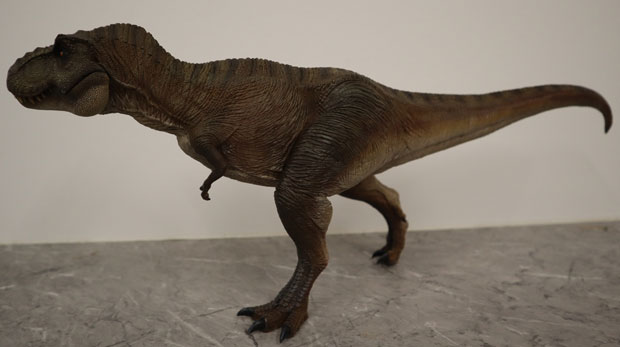
Nanmu Studio T. rex dinosaur model (Alpha) in the brown colouration (lateral view).

The Nanmu Studio T. rex dinosaur model (Alpha) in the brown colouration (lateral view). Picture credit: Everything Dinosaur.

It is usual for team members to take several pictures, showing the figure at various angles. A spokesperson from Everything Dinosaur commented that by taking lots of photographs, the customer could get an overall impression of the model’s quality and its colouration.

Nanmu Studio T. rex dinosaur model.

Providing pictures of the Nanmu Studio T. rex dinosaur model. Picture credit: Everything Dinosaur.

Pictures of the Packaging

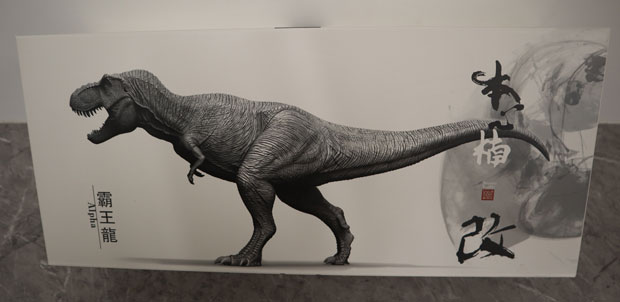
As well as sending photographs of the Nanmu Studio T. rex dinosaur model Alpha, a photograph of the model’s packaging was also emailed to the customer. The box the model is supplied in might not influence the arrangement of a diorama, but at least it proves that the figure is the genuine article and new.

The packaging of the Nanmu Studio Alpha T. rex model (brown colouration).

The packaging of the Nanmu Studio Alpha T. rex model (brown colouration). Picture credit: Everything Dinosaur.

When emailing the images, we wrote that if the customer wanted more information or some more photographs, we would be happy to oblige. Everything Dinosaur team members do all they can to help dinosaur fans and model collectors.

To view the range of Nanmu Studio prehistoric animal models and figures available from Everything Dinosaur: Nanmu Studio Dinosaurs and Prehistoric Animals.

The user friendly Everything Dinosaur website: Dinosaur Models.

4 12, 2021

Everything Dinosaur Reviews the New CollectA Edmontosaurus Model

By |2024-09-15T19:09:51+01:00December 4th, 2021|Categories: Adobe CS5, Dinosaur Fans, Everything Dinosaur News and Updates, Everything Dinosaur Products, Everything Dinosaur videos, Main Page, Photos of Everything Dinosaur Products, Product Reviews|0 Comments

Everything Dinosaur team members have produced a video review of the recently announced new for 2022 CollectA Deluxe Edmontosaurus model. In our brief video, posted up on the Everything Dinosaur YouTube channel, the narrator looks at the model and outlines the research that has led to the features seen on this figure, such as the soft tissue head crest and the prominent hoof on the third finger of the hand.

Video credit: Everything Dinosaur

The Third Video in a Series of Four

The YouTube video, which lasts a little over 12 minutes, introduces the new figure and examines some of the latest research into the Edmontosaurus genus. It is the third video in a series of four. Team members producing a video every few days highlighting the new model announcements made by CollectA throughout the month of November.

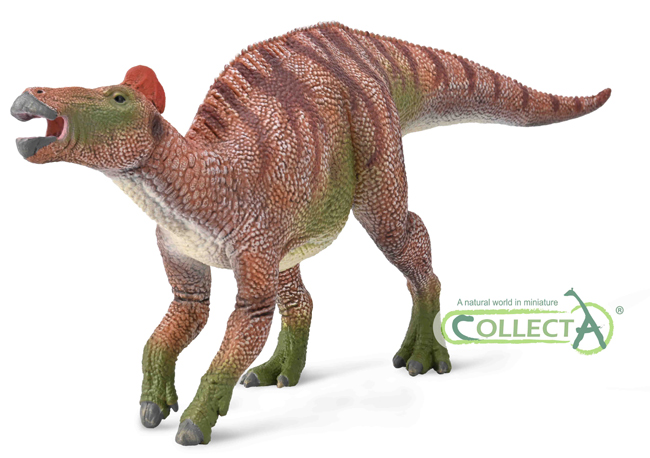
CollectA Deluxe 1:40 scale Edmontosaurus dinosaur model

The new for 2022 CollectA Deluxe 1:40 scale Edmontosaurus dinosaur model. CollectA had wanted to introduce a replica of this iconic Late Cretaceous hadrosaur for some time.

Mummified Dinosaurs

The video looks at the remarkable research into one specific dinosaur specimen. A mummified Edmontosaurus specimen nicknamed “Dakota”. The narrator explains how “dinosaur mummies” are formed and looks at the particular circumstances that led to the remarkable preservation of the “Dakota” specimen, the fossilised remains of an Edmontosaurus annectens, that were found in North Dakota, hence the specimen’s nickname.

The fossil specimen “Dakota” is on display at the North Dakota Heritage Centre and State Museum and research into this remarkable fossil is on-going.

The Everything Dinosaur YouTube channel is jam-packed with videos reviewing prehistoric animal figures, updates on the latest fossil finds, book reviews and hints and tips about model collecting. Subscribe to Everything Dinosaur on YouTube: Subscribe to Everything Dinosaur on YouTube.

Edmontosaurus Video – Question of the Day

The design team at CollectA had been wanting to create a model of this Late Cretaceous ornithischian dinosaur for some time. In our video, we look at the reason why the model has been given dark stripes on its flank and tail. We look at the fossil evidence for a soft crest and examine recent photographs that reveal that Edmontosaurus had an enlarged, weight-bearing third finger with a hoof-like nail. The narrator explains why the neck scales on the new for 2022 CollectA Edmontosaurus look very different from the scales seen on the rest of the dinosaur figure and accurate model measurements are provided.

Visit Everything Dinosaur: Everything Dinosaur.

CollectA Deluxe Edmontosaurus

As part of our planned engagement with our customers and fans of the Everything Dinosaur YouTube channel we like to ask a question in our CollectA videos. For example, at the moment, there is a Deluxe Parasaurolophus in the CollectA 1:40 scale range, this is to be joined next year by the 1:40 scale Edmontosaurus, which brings us to this query – what other Late Cretaceous duck-billed dinosaur would you like CollectA to add to their CollectA Deluxe series?

We pass on feedback to our chums at CollectA.

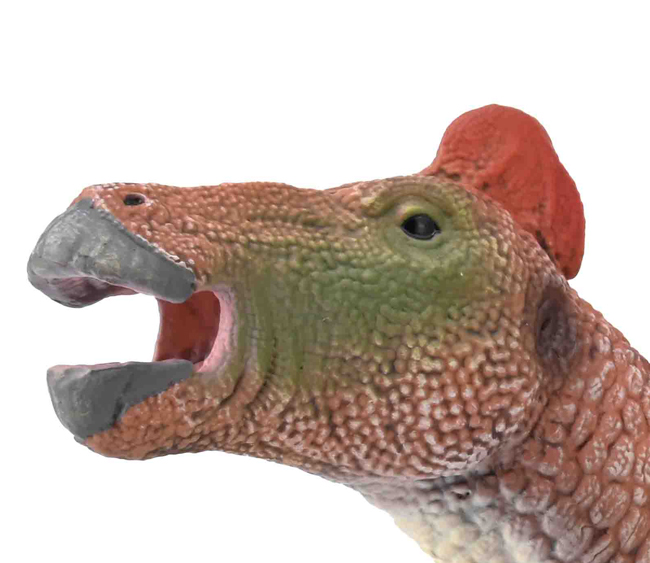
A view of the head of the CollectA Edmontosaurus

A close-up view of the head of the Edmontosaurus replica with its prominent crest made of soft tissue. This crest reflects the evidence of a soft tissue comb reported in 2013 following the analyis of the skull of an Edmontosaurus regalis.

The new CollectA Deluxe 1:40 scale Edmontosaurus dinosaur model is due to be in stock at Everything Dinosaur next year (2022).

To view the range of CollectA Deluxe prehistoric animal models currently available from Everything Dinosaur: CollectA Deluxe Prehistoric Animal Models.

2 12, 2021

Sizing Up Tethyshadros Thanks to New Research

By |2024-03-10T12:00:03+00:00December 2nd, 2021|Categories: Adobe CS5, Dinosaur and Prehistoric Animal News Stories, Dinosaur Fans, Main Page, Photos/Pictures of Fossils|0 Comments

Tethyshadros (T. insularis), which was formally named and described in 2009 from a superbly preserved fossil specimen discovered in a limestone quarry near to the village of Villaggio del Pescatore (Italy), had been thought to represent a dwarf hadrosaur. However, newly published research suggests that this Late Cretaceous dinosaur was not diminutive. Its body-size fits with the range in body sizes seen in other non-hadrosaurid Eurasian hadrosauroids.

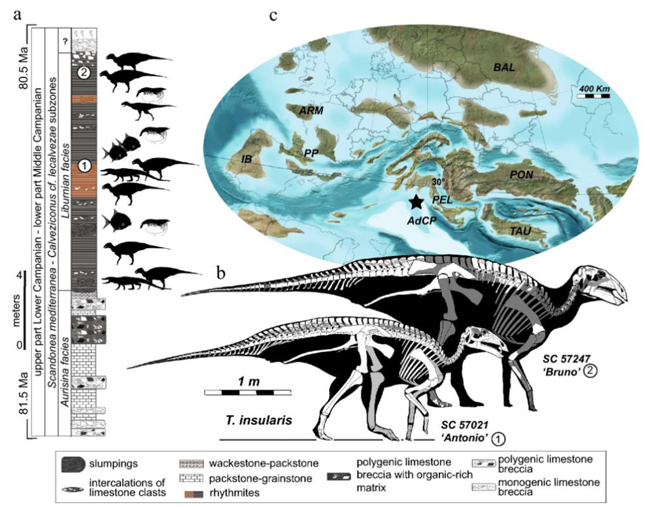
The holotype specimen SC 57021 nicknamed “Antonio” represents a sub-adult. Writing in the academic journal “Scientific Reports”, researchers describe a second, much larger specimen SC 57247, which was discovered when “Antonio” was been excavated. The larger specimen given the moniker “Bruno” is much bigger and the original hypothesis that this taxon was a dwarf form is refuted in this new study.

Tethyshadros study.
Diagram showing the stratigraphy of the site and the approximate placement of dinosaur and other fossil finds at the quarry (a) with a comparison of the holotype “Antonio” now regarded as sub-adult and the larger, much more mature specimen “Bruno” (b). Map of Europe in the Campanian showing the location of the island where Tethyshadros lived, the black star indicates the position (c). Picture credit: Chiarenza et al

Insular Dwarfism

During the Late Cretaceous much of Europe was covered by sea. There were numerous islands and these fragmented landmasses were populated by dinosaurs, many of which were dwarf forms when compared with closely related genera known from other continents. This was accepted as fossil evidence for the “island rule”, a theory, famously postulated by the 20th Century polymath Baron Franz Nopcsa von Felső-Szilvás. He proposed that the limited resources such as food, water and space on islands would result in a reduction of the size of animals that lived there. These island dwelling populations would become smaller over many generations when compared to their continental counterparts. Nopcsa referred to this idea as “insular dwarfism”.

The palaeo-Mediterranean region is best represented by the Villaggio del Pescatore quarry as it preserves a record of the fauna to be found on one of these islands. In this new research, this location is critically re-evaluated as early Campanian in age. This is significant, as it means that Tethyshadros lived prior to the final fragmentation stages of the European Archipelago. Tethyshadros lived prior to the emergence of the dwarf European taxa such as those animals associated with Hațeg Island which is geologically younger (Maastrichtian faunal stage of the Late Cretaceous).

Tethyshadros Fossils
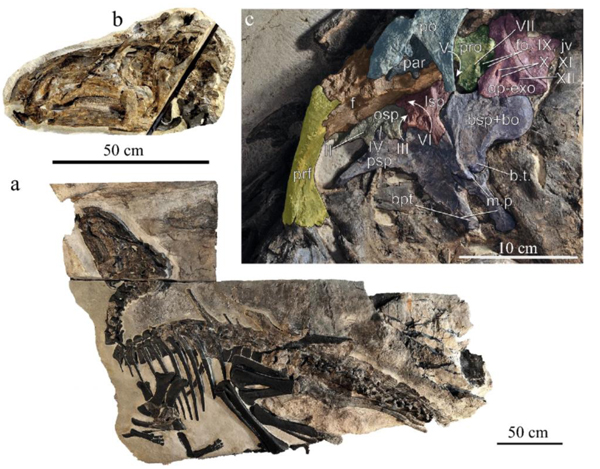
The new skeleton of Tethyshadros insularis “Bruno” (a) preserving details of its cranial anatomy such as the nearly complete skull (b) exposing its braincase (c) adding important information for the anatomy and systematic of this taxon. Elements in black are reconstructed. Picture credit: Chiarenza et al.

Examination of the bones of “Bruno” (histological study), confirms that these dinosaurs were bigger than previously thought. The research team, which included Alfio Alessandro Chiarenza (Universidade de Vigo, Spain) and Matteo Fabbri (Field Museum of Natural History, Chicago, USA), conducted a phylogenetic analysis examining the body size of Tethyshadros compared to related species. They discovered that the body size of T. insularis is within the range of the body sizes of other non-hadrosaurid Eurasian hadrosauroids

Tethyshadros was not a diminutive form, it was not a “pygmy” dinosaur. Team members at Everything Dinosaur have updated their Tethyshadros fact sheet which is supplied with sales of Tethyshadros figures.

Although “Antonio” and “Bruno” perhaps represent the most complete and best preserved of all the European dinosaur fossils discovered to date, Tethyshadros does not feature in many model ranges. However, a pair of Tethyshadros figures was added to the Wild Past series last year (2021).

To view the Wild Past model range: Wild Past Prehistoric Animal Models.

Wild Past Tethyshadros dinosaur models
The Wild Past Tethyshadros dinosaur models. Everything Dinosaur’s free fact sheet that is sent out with these models has been updated after the publication of the new T. insularis research.

The scientific paper: “An Italian dinosaur Lagerstätte reveals the tempo and mode of hadrosauriform body size evolution” by Alfio Alessandro Chiarenza, Matteo Fabbri, Lorenzo Consorti, Marco Muscioni, David C. Evans, Juan L. Cantalapiedra and Federico Fanti published in Scientific Reports.

1 12, 2021

New Armoured Dinosaur from Chile

By |2024-08-27T07:34:50+01:00December 1st, 2021|Categories: Adobe CS5, Dinosaur and Prehistoric Animal News Stories, Dinosaur Fans, Main Page, Palaeontological articles, Photos/Pictures of Fossils|0 Comments

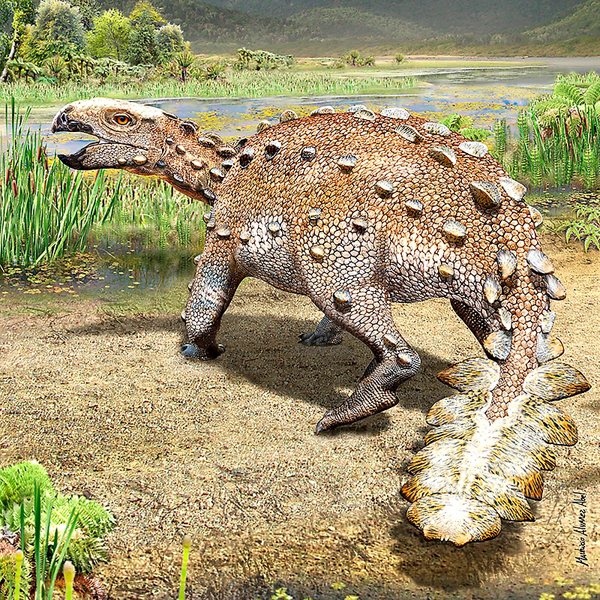
Scientists writing in the journal “Nature” have announced the discovery of a new species of Late Cretaceous ankylosaur from southernmost Chile. The dinosaur named Stegouros elengassen evolved a large tail weapon, unlike any other tail weapon known in the Dinosauria. Stegouros had a flat, frond-like structure formed by seven pairs of laterally projecting osteoderms. This formidable tail weapon superficially resembles a macuahuitl, a frightening war club used by Aztec warriors.

Stegouros life reconstruction

A life reconstruction of the newly described Gondwana ankylosaur Stegouros elengassen. Picture credit: Mauricio Álvarez.

Picture credit: Mauricio Álvarez

A Combination of Stegosaur and Ankylosaur Anatomical Characteristics

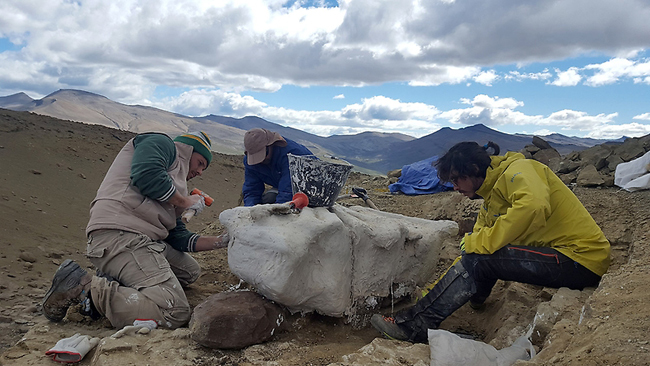
The researchers from the University of Chile (Universidad de Chile) in Santiago report on an articulated, nearly complete fossil specimen representing a single animal that was excavated by a field team in February 2018 from sediments relating to the Dorotea Formation in the province of Ultima Esperanza in southern Chile. Stegouros was very small for an ankylosaur, measuring around two metres in length and weighing approximately 100 kilograms.

It shows ankylosaurian cranial characters, but a largely ancestral postcranial skeleton, with some stegosaur-like characters.

A phylogenetic analysis places Stegouros in the Ankylosauria and the research team postulate that it is closely related to other ankylosaurs known from southern Gondwana such as Kunbarrasaurus from Australia and Antarctopelta, fossils of which were found on James Ross Island off the Antarctic Peninsula.

Stegouros fossil excavation.

Field team members jacket the fossilised remains of Stegouros. Picture credit: Universidad de Chile.

Picture credit: Universidad de Chile

The Parankylosauria Clade

The researchers propose the establishment of a new clade of ankylosaurs – the Parankylosauria which consists of basal ankylosaurs that split from the main ankylosaurian lineage during the Middle Jurassic, although the fossil evidence for this is currently lacking with Stegouros, Antarctopelta and Kunbarrasaurus forming part of a ghost lineage of basal ankylosaurs with origins back in the mid-Jurassic.

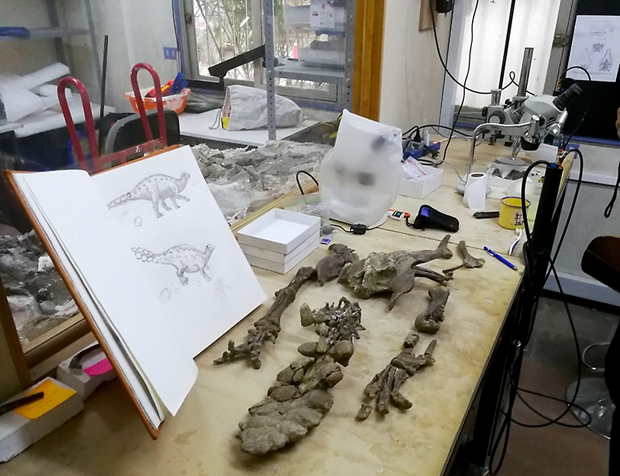
Stegouros fossil remains.

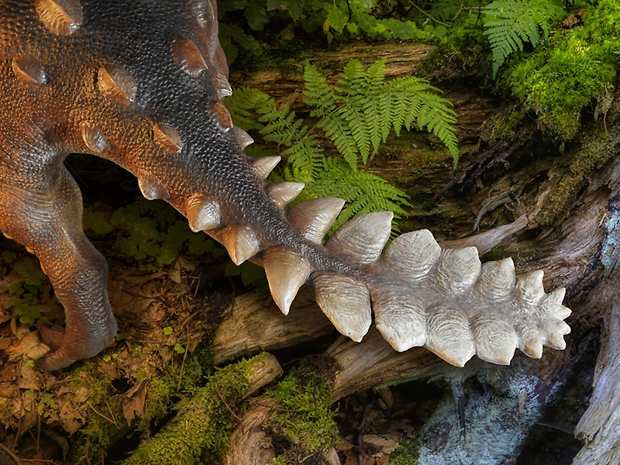
The posterior of the Stegouros specimen with the armoured tail clearly shown. Picture credit: Universidad de Chile.

A Transitional Ankylosaur

Commenting on the significance of this fossil discovery, lead author of the scientific paper, Sergio Soto, a researcher at the University of Chile stated that the fossilised remains of S. elengassen represent a “Rosetta Stone” for deciphering the fragmentary fossils of other ankylosaurs from southern Gondwana.

He added:

“Stegouros is an evolutionary link between ankylosaurs and other older lineages of armoured dinosaurs. Stegouros has only some of the features normally found in ankylosaurs, particularly the skull, but many others are absent. It also has some traits similar to stegosaurs, inherited from a common ancestor with them, but that other ankylosaurs lost in evolution.”

A close-up view of the armoured tail of Stegouros elengassen.

A close-up view of the armoured tail of Stegouros elengassen. The tail club served as a defensive structure perhaps used in intraspecific combat or to deter attacks from predators. Picture credit: Universidad de Chile.

Picture credit: Universidad de Chile

Stegouros roamed the Chilean Patagonia around 74 million years ago. The genus name translates as “roofed tail”, whilst the species name comes from a mythical armoured monster from the folklore of the indigenous Tehuelche people.

Note

CollectA introduced a 1:6 scale figure of this remarkable dinosaur in 2023.  Safari Ltd also added a Stegouros model to their range in 2024.

CollectA Deluxe 1:6 scale Stegouros elengassen dinosaur model

The CollectA Deluxe 1:6 scale Stegouros elengassen dinosaur model – due to be available mid 2023.

To view the range of CollectA Deluxe prehistoric animal figures available from Everything Dinosaur: CollectA Deluxe Prehistoric Life Models.

The scientific paper: “Bizarre tail weaponry in a transitional ankylosaur from subantarctic Chile” by Sergio Soto-Acuña, Alexander O. Vargas, Jonatan Kaluza, Marcelo A. Leppe, Joao F. Botelho, José Palma-Liberona, Carolina Simon-Gutstein, Roy A. Fernández, Héctor Ortiz, Verónica Milla, Bárbara Aravena, Leslie M. E. Manríquez, Jhonatan Alarcón-Muñoz, Juan Pablo Pino, Cristine Trevisan, Héctor Mansilla, Luis Felipe Hinojosa, Vicente Muñoz-Walther and David Rubilar-Rogers published in the journal Nature.

The Everything Dinosaur website: Dinosaur Toys and Models,

29 11, 2021

The New PNSO “Logan” Nanotyrannus is Reviewed

By |2024-05-11T23:06:48+01:00November 29th, 2021|Categories: Adobe CS5, Dinosaur Fans, Everything Dinosaur Products, Main Page, Product Reviews|0 Comments

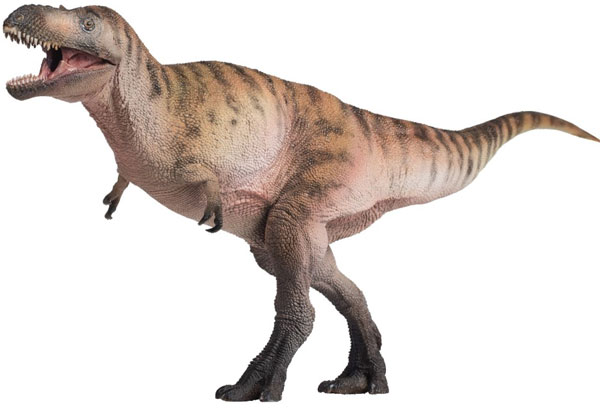
The recently introduced PNSO Logan the Nanotyrannus dinosaur figure has divided model collectors and dinosaur fans. Is Nanotyrannus lancensis a valid species or do the fossils assigned to this theropod represent juvenile examples of Tyrannosaurus rex?

PNSO Nanotyrannus dinosaur model.
The new for 2021 PNSO Nanotyrannus dinosaur model. Is Nanotyrannus lancensis a valid species?

The consensus view amongst most palaeontologists seems to favour the latter interpretation, that Nanotyrannus is not a valid genus and that the fossil specimens represent juvenile tyrannosaurs but what about the actual Nanotyrannus model itself? One Everything Dinosaur customer, William offers an opinion.

PNSO “Logan” the Nanotyrannus

“Logan is a fantastic little guy and whichever camp you are in he’s a perfect example of a top-of-the-line Nanotyrannus lancensis or medium-sized juvenile Tyrannosaurus rex figure. You decide what he is to be in your collection.”

The reviewer praised the detail on the head commenting on the articulated lower jaw and complimented the shape of the skull that provides an accurate reflection of the fossil record.

Tongue placement was highlighted and its position towards the rear of the mouth commented upon and the finely crafted lacrimal crests earned the reviewer’s approval.

PNSO Nanotyrannus dinosaur model with an articulated jaw.
Like most of the other mid-size PNSO theropod figures, Logan the Nanotyrannus has an articulated lower jaw.

Visit the Everything Dinosaur website: Everything Dinosaur.

Longer Forelimbs Reminiscent of Allosaurids

Scientists are aware that the body shape of Late Cretaceous tyrannosaurs changed radically as they grew. The limbs were proportionately longer and the longer forelimbs of this PNSO figure reminded the reviewer of the limbs of allosaurids. The limb shape contrasts nicely with PNSO T. rex figures, Andrea the female T. rex for example.

William commented upon the well-sculpted legs and feet and described juvenile tyrannosaurs/Nanotyrannus as “like Cretaceous wolverines”.

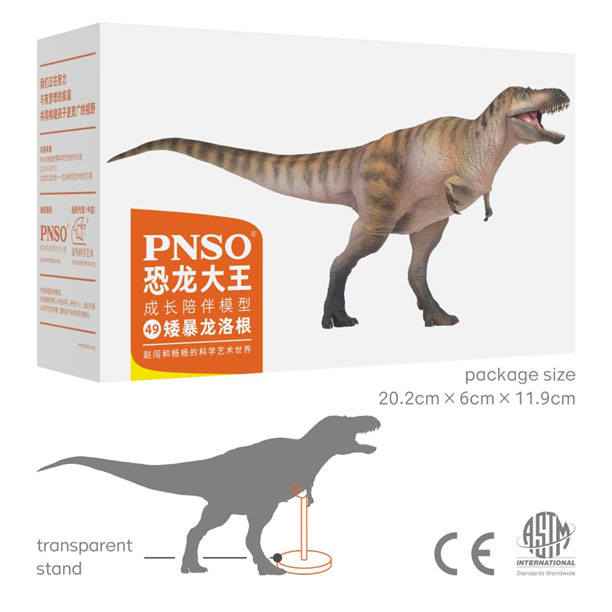
The packaging was described as “superb” and the box containing the Nanotyrannus figure includes a detailed illustrated booklet and a clear, plastic support stand for the model.

PNSO Nanotyrannus packaging
The new PNSO mid-size range Nanotyrannus is supplied with a clear support stand.

When discussing the colour scheme chosen for this theropod, the reviewer stated that the dinosaur model had been painted in a rich, warm beige, with chocolate brown patches. The painting around the eyes was highlighted and the dark stripes on the flanks praised.

As with previous model reviews, William summarised the figure’s vital statistics.

Model Dimensions

Length: 6.5 inches.

Height: 2.5 inches.

Scale: 1:30.

Final Thoughts

In conclusion, William stated:

“The wee guy is a must for your collection be he a dwarf tyrant or a tyrant lizard king. Add him and you will see for yourself, he may be wee, but he is mighty!”

To view the PNSO Nanotyrannus figure and the rest of the prehistoric animal models available from Everything Dinosaur: PNSO Age of Dinosaurs.

Go to Top