All about dinosaurs, fossils and prehistoric animals by Everything Dinosaur team members.

Everything Dinosaur team members working in schools, helping museums and other educational bodies. Our work with and in schools.

20 01, 2013

Imaginative and Helpful Dinosaur Themed Teaching Activities

By |2024-04-29T06:01:55+01:00January 20th, 2013|Categories: Educational Activities, Teaching|1 Comment

Primary School Children Have Fun with Dinosaur Eggs

With the advent of a more creative curriculum in the United Kingdom, teachers and teaching assistants have more freedom in how they deliver lessons which dovetail into the teaching objectives and expected outcomes as provided in the framework of the national curriculum.  For children aged between five and seven years of age (primary school children in years 1 and 2), a suitable topic for the spring term might be “Dinosaurs”.  With the spring term ending at Easter, the addition of an imaginative series of lesson activities designed around looking at dinosaur eggs would help to tie in the term topic with the holiday period that comes immediately at the end of this term.

Dinosaur Nest

A dinosaur egg can be made very simply using a balloon and paper mache to create the desired effect.  A single, large egg can be created by the teacher and the teaching assistants or if school resources allow, the children themselves can have a go at making and painting their own paper mache dinosaur eggs.  Often the eggs that are made and represent a dinosaur egg are quite large, many people think that the dinosaurs hatched from huge eggs, this is not the case.

Although a number of dinosaur genera are known to have laid large eggs, most dinosaurs laid very much smaller eggs than most people imagine.  Egg size in egg-laying, terrestrial vertebrates is limited by a number of factors.  For example, the egg has to be strong enough to hold the volume of liquid that each one contains, but the egg shell cannot be too thick otherwise the baby inside would not be strong enough to break out of the egg (to hatch).

The largest dinosaur eggs known to science have been ascribed to a genus of titanosaurs (long-necked dinosaurs), which may have measured more than fifteen metres in length.  Even so the eggs of these prehistoric animals are about the same size as a football.

To read an article about the size of dinosaur eggs: The Big Eggs of a Dinosaur – Hypselosaurus.

When the egg has been made and painted, simply create a little nest for it, using leaves, twigs and such like.  If the class has a pet hamster or guinea pig, using some hay or straw that is normally reserved for this class pet also works well.   Then over the course of the spring team the children can observe their egg and record any differences in how it looks.  For example, once the egg has been put in the nest, take a picture of it and post it up on the class notice board.  Then after a week or so, turn the egg round in the nest and get the children to compare what they see with the earlier photograph.

A teacher can use this simple exercise to get children to think about what differences can they see and why might the differences have occurred?  What does it mean when the egg has moved, what may be going on inside the egg?

Over the next two weeks, the egg can be given a crack and the children made ready for the “hatching of their own dinosaur), again the change in the state of the egg can be used to encourage the children with a creative writing exercise as they compose short letters to their “baby dinosaur”.

A Typical Dinosaur Nest (Fossils)
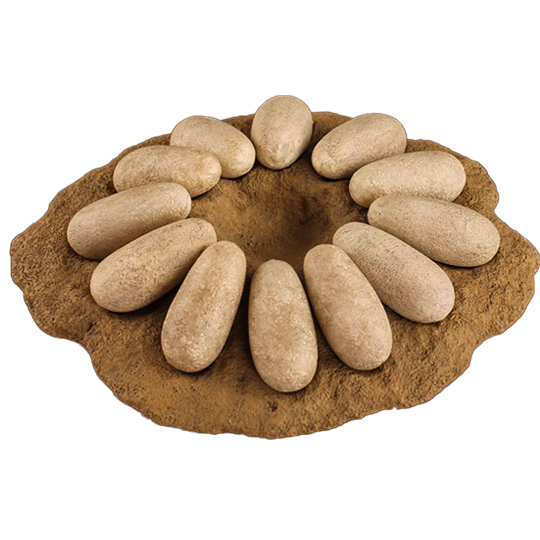
Theropod nest model.

A replica of a typical theropod nest showing typical nest composition and layout.

Finally, the school day dawns (towards the end of the term topic) when the baby dinosaur hatches.  However, rather than have to go to the trouble of creating a baby dinosaur for the class, here is a simple tip for any teacher or teaching assistant, allow your dinosaur to escape.  To show the escape, simply break the egg open using a sharp pair of scissors before the children come in and ask the caretaker to move one of the ceiling tiles on the suspended ceiling (a feature of most classrooms).

The children can learn of their dinosaur’s escape into the roof space and the moved tile in the ceiling would be proof to them of the escape of their pet dinosaur.  The teacher can easily leave a trail of three-toed (tridactyl) dinosaur prints from the nest area to the floor immediately below the ceiling tile, creating a trail for the young pupils to follow.

Then it is simply a question of developing plenty of extension activities around the school’s pet dinosaur project.  For example, the children can be encouraged to draw what they think the dinosaur may have looked like, what name should it have been called and why?  In addition, the children can be asked to think up stories that they might want to read to the dinosaur, or to imagine the adventures that their escaped dinosaur might be having.

Such imaginative and creative ideas can help teachers and teaching assistants to develop interesting lesson plans that challenge pupils to observe, explore and ask questions about living things.   Reference materials can be used to find out what palaeontologists know about the fossilised eggs of dinosaurs.   As well as covering aspects of the science element of the national curriculum, cross curricula activities such as creative writing and grammar usage which relates to the objectives of the English element of teaching can be incorporated.

To learn more about Everything Dinosaur’s range of educational, dinosaur themed toys and games: Replica Fossils, Dinosaur Toys and Gifts.

Having your own dinosaur egg and watching the egg change and eventually hatch provides an excellent basis for the development of many enriching and challenging lesson ideas with key stage one children.
11 01, 2013

Working with Early Years Foundation Stage Children (Fascination with Dinosaurs)

By |2023-02-11T21:56:26+00:00January 11th, 2013|Categories: Educational Activities, Teaching|0 Comments

A Creative Approach to Literacy and Numeracy Using Dinosaurs

Teachers can often find it quite challenging to settle children down in a reception class after spending time in nursery and yet it is important to help children make the transition towards more cognitive and structured learning.  Children move into reception from nursery schooling from around the age of four and nursery schools within the country operate a curriculum based around what is termed the Early Years Foundation Stage (EYFS).  This statutory framework sets out the standards that young children are to reach and provides the guidelines to help teaching professionals ensure that children learn and develop in healthy, stimulating and safe environments.

Dinosaurs

At the heart of the Early Years Foundation Stage is the need to develop the broad range of personal and group skills a  young child will need as they grow up and enter more formal education.  This framework helps to provide an appropriate foundation for the child’s academic career.  It has been subject to a number of revisions, the three key areas of a child’s communication and language development in conjunction with their physical well-being and their personal, social and emotional development have become even more central to the core aims of this Government initiative and this, surprisingly is where dinosaurs can help.

Children from around 36 months can begin to gain an appreciation of dinosaurs and prehistoric animals.  It is surprising what they can pick up from the many television documentaries, films and books dedicated to dinosaurs that these children are exposed to.  Many young children can obsess on dinosaurs and it is surprising how quickly they can learn the long, often complicated names of dinosaurs such as Tyrannnosaurus rex and Triceratops.

An Affinity for All Things Dinosauria

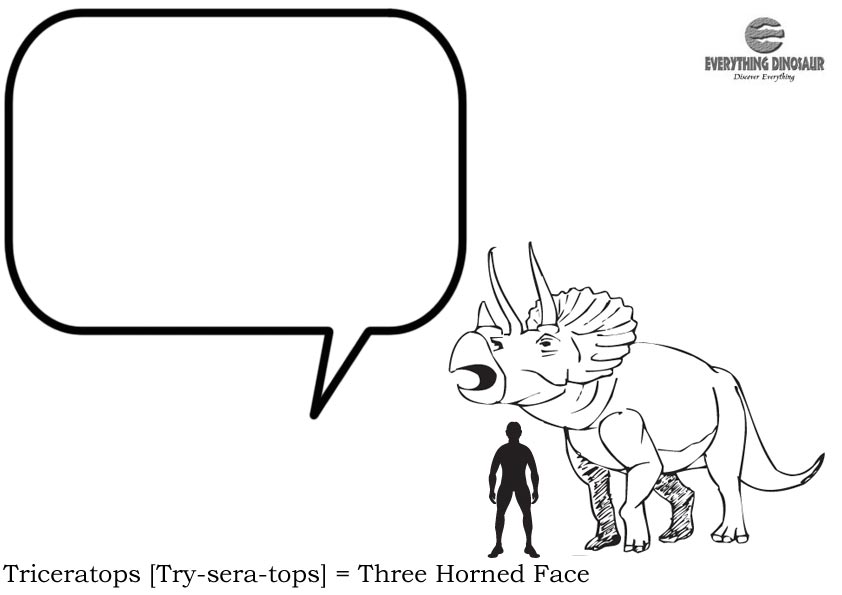
If children have a natural affinity for all things Dinosauria, then this fascination can be used to help them develop improved literacy and numeracy skills.  For example, when helping children to form sentences and the meaning of words,  a picture of a dinosaur with a speech bubble can help the child to consider what the dinosaur might be thinking or even saying.  The child can be encouraged to explore feelings and emotions using the dinosaur as an exemplar.

Using a Dinosaur to Help a Child Explore Emotions

Exploring emotions and helping to construct sentences.

Illustration credit: Everything Dinosaur

The same dinosaur picture can help a nursery school child with their numeracy skills.  Counting games can be devised such as counting the number of legs the dinosaur might have or the horns on its head for instance.  Dinosaur models make great counters for use in many numeracy based exercises, they are tactile and easy to handle and the games can be developed with the children encouraged to sort their dinosaurs into different groups based on simple criteria such as sorting by size, by colour and by which ones might be meat-eaters and which ones the herbivores.

An early fascination with dinosaurs and prehistoric animals can help a creative teacher to devise imaginative learning games thus helping their young charges to learn whilst having fun in a supportive environment.

Take a look at the educational, dinosaur themed items available from Everything Dinosaur: Models of Fossils and Dinosaur Themed Toys and Games.

5 01, 2013

New Mini Dinosaurs Apatosaurus Dinosaur Book Reviewed

By |2024-04-29T06:06:22+01:00January 5th, 2013|Categories: Book Reviews, Educational Activities, Everything Dinosaur Products, Product Reviews, Teaching|0 Comments

Lift the Book Flap and Find an Apatosaurus 

Finding a book that is tactile, just the right size for small hands to hold and helps young children with their reading can be a challenge, but the Mini Dinosaurs – Apatosaurus book fits the bill nicely.  In addition, there is a surprising amount of factual information about the dinosaur known as Apatosaurus within this little hardback book.

Dinosaur Book

Assisting children with their reading skills is an important task.  It can help young children prepare for more formal schooling when they enter the education system and even very young children can soon learn to recognise the letters of the alphabet and the sounds that these letters form, all part of helping to teach reading using phonetics and other cognitive processes.  Starting them off early can help a child to develop a lifelong appreciation of books and the enjoyment of reading.

The Mini Dinosaurs Apatosaurus Dinosaur Book

Mini Dinosaurs Apatosaurus explains about the Dinosaur name change.

Picture credit: Everything Dinosaur

Choosing appropriate reading matter is important.  A book about a dinosaur, one that is designed with young readers in mind, is especially helpful, many children at around three years of age are beginning to show an interest in dinosaurs and other prehistoric creatures.  Reading about dinosaurs will help to engage the child and will help them to develop through their own imaginative, creative play.

Mini Dinosaurs Apatosaurus Book

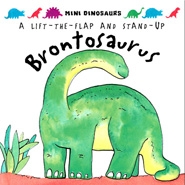
The Mini Dinosaurs Apatosaurus book is a tough, hardback so it is ideal for use with young children from three years of age.  Both the front and back covers are laminated and can be wiped clean with a damp cloth, very helpful of the book designers to do this as this avoids damage to the book by sticky fingers.  On the front of the book is a bright green Apatosaurus and the book cover explains that this dinosaur was formerly called Brontosaurus.

Why a change in a dinosaur’s name?  The explanation is simple, a dinosaur was named from some fossil bones found in the state of Colorado in the late 1870s.  This dinosaur was called Apatosaurus (the name means “deceptive lizard”).  Brontosaurus was named from fossils found in the same part of the United States a couple of years later.  However, a subsequent re-examination of the fossils led scientists to conclude that their discoveries did not represent two different genera, but just one.  Since Apatosaurus was named first, under the laws laid down for the scientific naming of organisms the Apatosaurus name took precedence.  The book therefore tells a story about Apatosaurus, the dinosaur that was formerly known as Brontosaurus.

The book contains simple sentences laid out in a large, easy to follow font.  All the text is in black and bold to help young children follow the letters more easily.  This miniature dinosaur books poses questions for the child and the adult reader to explore, for instance, Why did Apatosaurus have a long neck?  Why did Apatosaurus have such thick legs?  If you lift up the clever flap on the picture of this dinosaur coinciding with the question page, the answer is revealed.  The answers are given in bold, easy to read text so that the child may read the answers.  For the grown-up, on the flap itself there is some helpful extra dinosaur information provided so that the adult can more fully explain the answer given.

To view Everything Dinosaur’s range of dinosaur themed learning materials: Dinosaur Crafts and Educational Toys.

By unfolding the card inserts to be found at the back of this little book, a picture of large, green, friendly-looking Apatosaurus can be created.  This is a cleverly designed little book about dinosaurs that will help young children with their reading skills as well as delighting them with the dinosaur information that it contains.  An excellent first dinosaur book for a very young, budding palaeontologist.

Please Note

Brontosaurus is now accepted as a valid genus following a taxonomic revision of the diplodocids.

11 12, 2012

New Census shows Mixed Results for Science and Maths in English Schools

By |2024-04-24T18:22:08+01:00December 11th, 2012|Categories: Educational Activities, Teaching|0 Comments

U.S. Research Suggest English School Children doing Better in Maths but Slipping When it Comes to Science

Everything Dinosaur reports on falling standards in schools in science knowledge and understanding.

In today’s busy world where UK-based businesses are having to compete in a truly global market place, governments and educational institutions are eager to see how their country’s pupils fare when compared to students from other nations.  There are a number of studies undertaken, most are published either annually or every two years.  In research published by U.S. based academics, pupils from England are showing signs of improving in mathematics, but their national ranking in the sciences is falling.

Everything Dinosaur

The research, compiled by academics at Boston College in the United States covers the results from two influential studies, the four-yearly trends in International Mathematics and Science Study, known by the acronym TIMSS and the Progress in International Reading Literacy Study (PIRLS).  The American research team have compared the results in key subjects from pupils in over sixty countries.  Northern Ireland is doing particularly well when the attainments of primary school children are examined, whilst England is still in the top ten countries for primary and secondary mathematics.

The highest rankings in this global education league table have been taken by Asian countries and reflect the growing emphasis on the education of children in rapidly growing economies.  The UK Census from 2011, may show that more citizens of the United Kingdom have a degree than ever before but when the efforts of younger pupils are analysed it is the students from Singapore, Hong Kong and South Korea that take the honours when it comes to doing best at maths.

In the Global Top Ten for Mathematics

England remains in the global top ten for mathematics, 9th for primary school aged pupils and 10th when it comes to secondary aged students.  The study highlights England as being one of the most improved countries in terms of mathematics over the last fifteen years or so, however, the outlook for the sciences is nowhere near as rosy.

English school pupils fall from 7th place (ranking in 2007) to 15th amongst primary aged school pupils (ten-year-olds) for science.  In secondary aged pupils this trend was also seen, with fourteen-year-olds falling from 5th down to 9th over the same five year period.

The Top Ranked Countries for Attainment in Primary School Science

  1. South Korea
  2. Singapore
  3. Finland
  4. Japan
  5. Russian Federation
  6. Taiwan
  7. United States of America
  8. Czech Republic
  9. Hong Kong
  10. Hungary

15.  England (down from 7th place)

Report author and Boston College professor, Michael Martin commented that the best-performing countries in these league tables are a reflection of the long-term investments in education made by governments.

Professor Martin stated:

“One thing you can learn from these is what’s possible.  That comes as a shock sometimes, what students in other countries can actually do and the gap sometimes between what your students are achieving and what students in other countries are achieving”.

England ranks relatively highly, despite slipping in science, it is pleasing to see the ranking in mathematics is still holding up when one considers the rapid globalisation and development in other countries, particularly those in the Far East.

A spokesperson from Everything Dinosaur, one of the teachers in the company who helps write lesson plans for primary school education providers stated:

“It is important to praise the efforts of the teachers, the teaching assistants and administrators who work extremely hard to deliver excellent teaching schemes helping to inspire and motivate the next generation of scientists.”

Foundation Stage Dinosaur Display

The Foundation Stage “wonder wall” full of dinosaur facts and information (Carlton Primary School).  Praising the efforts of teaching staff for their creative approach to subjects.

Picture credit: Everything Dinosaur

A good grounding in maths and science subjects is very important for school pupils, especially when one considers the future jobs market.  Helping young children learn about science principles such as observation, investigation and evaluation through their fascination with dinosaurs is a key aim of Everything Dinosaur’s teaching staff.

Today, Everything Dinosaur team members provided information on swimming dinosaurs, fact sheets, discussed plesiosaurs, the evolution of the Dinosauria – just some of the range of subjects covered when contacted by school teachers, museum staff etc.   All in a days work!

For educational prehistoric animal themed gifts and museum quality dinosaur models visit Everything Dinosaur’s award-winning website: Everything Dinosaur – Dinosaur Themed Gifts.

27 10, 2012

The Principle of Preadaptation (KS3 and KS4)

By |2023-02-06T13:54:41+00:00October 27th, 2012|Categories: Key Stage 3/4|Comments Off on The Principle of Preadaptation (KS3 and KS4)

The Principle of Preadaptation

A challenge to the early proponents of natural selection and the theory of evolution was the criticism that this concept was flawed as natural selection could not explain how the earliest stages of useful structures formed.  Darwin himself, commented on how the fossil record was inadequate when it came to looking for evidence to support his theory on the origins of species.  How could major biological adaptations get started?  How did complex eyes evolve?  What good is an asymmetrical wing on an organism when it is only 2% evolved?

The Principle of Preadaptation

Darwin proposed that a feature would perhaps have evolved for one purpose that in retrospect would turn out to be highly advantageous in any changed circumstances.  A feature once performed a quite different role in ancestors, but was, by serendipity, well suited for transformation to serve another function, especially under new circumstances.

The evolution of feathers, a trait first identified in the Dinosauria is an illustration of this.  Feathers are highly modified reptilian scales.  In some members of a reptilian population, scaly outgrowths, over-sized scales may have served some other function, perhaps to help cool the animal, or to signal (visual display) or perhaps for insulation, trapping warm air close to the body.  Even the smallest scaly outgrowths may have conveyed some advantage.  Individuals within the population the possessed the trait for these outgrowths would have had a slight advantage over other member of the species.  As a result, more of these traits were passed onto the next generation through these individuals living long enough mature and breed.

Over many generations, longer and longer scales may have been actively selected, thus leading over time to the evolution of feathers as insulating structures or display organs.

The Evolution of Feathers in the Dinosauria

Compsognathus illustration by Chuang Zhao.

A beautiful feathered Compsognathus catches its lunch (artwork by Chuang Zhao).

Picture credit: Chuang Zhao

A secondary flight function would have evolved by natural selection later.

Visit Everything Dinosaur’s website: Educational Dinosaur Models and Figures.

27 10, 2012

Dinosaurs Help Young School Children with their Sentence Construction

By |2023-02-06T13:38:04+00:00October 27th, 2012|Categories: Educational Activities, Press Releases, Teaching|0 Comments

Exploring Feelings Using Dinosaurs

For reception/foundation stage school children, one of the challenges can be getting to grips with sentence construction and expressing thoughts and feelings in words.  As many young children love dinosaurs and all things to do with the Dinosauria, Everything Dinosaur can help when it comes to their educational development.

Within the mandatory framework for the education and development of children in the United Kingdom from birth to five years of age, as set out by the Department of Education, there are key objectives for teachers and educationalists to try to attain.  For example, educational activities must involve programmes that give children opportunities to experience a rich language environment and to develop confidence when it comes to expressing themselves and to speak and listen in a range of situations.  In addition, an important cornerstone of early years development is literacy.

Everything Dinosaur

Dinosaurs can help children in these areas as teachers encourage their charges to link sounds and letters and begin to read and write.  At this age it is important to think of materials that can enable children to explore and share their own thoughts and feelings, their ideas and moods through a variety of different media.

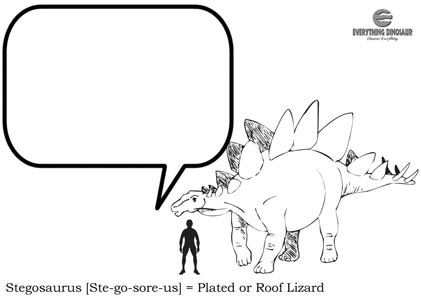
At Everything Dinosaur, our team members have created dinosaur drawings with speech bubbles in a bid to motivate children from four years and upwards to express themselves and develop sentence writing skills.

Stegosaurus Helps with Sentence Construction

A typical teaching resource provided by Everything Dinosaur.

Picture credit: Everything Dinosaur

The picture above shows one of our typical dinosaur themed educational resources.  This A4-sized document illustrates a Stegosaurus with a person next to it to show scale.  The dinosaur can be coloured in by the child and then their thoughts can turn to what the Stegosaurus might be thinking or saying.  It is their job to express the thoughts and feelings of the Stegosaurus using their sentence construction skills.

Providing Resources

The name of the dinosaur is included, plus a handy pronunciation guide and the actual meaning of the prehistoric animal’s name.  Team members supply a variety of such dinosaur themed resources, all aimed at helping young children develop and learn.

A spokesperson for Everything Dinosaur commented:

“Teaching professionals must consider the individual needs and interests of the children in their class.  Many children at reception/foundation stage already have a fascination for dinosaurs and so dinosaur themed activities can be used to create challenging and enjoyable learning experiences”.

With the likes of Stegosaurus, Triceratops and Tyrannosaurus rex already well known to most children of school age, it can help to utilise their love of dinosaurs in creative ways allowing key early years and foundation stage learning objectives to be achieved.

Visit Everything Dinosaur’s website: Dinosaur Gifts and Toys.

10 10, 2012

New Research into Calculating the Half-Life of DNA

By |2024-02-25T07:40:08+00:00October 10th, 2012|Categories: Key Stage 3/4|Comments Off on New Research into Calculating the Half-Life of DNA

Extinct Bird Enables Scientists to Propose the Half-Life of DNA

The giant Moa, an extinct type of flightless bird that once roamed the forests and plains of New Zealand is helping scientists to calculate the half-life of DNA.  A team of international researchers have analysed the fossilised bones of three species of these ancient birds and this study suggests that the DNA double helix can persist in the fossil record for a lot longer than previously thought.

The Half-life of DNA

The research, which has been challenged by a number of leading academics and geneticists proposes that under optimum conditions, genetic material relating to organisms can survive in the fossil record for a lot longer than previously thought.  Based on the calculations presented by this team, traces of genetic material might still be detectable in fossils that are around 6.8 million years old.

What is DNA?

DNA (Deoxyribonucleic acid) is a complex molecule that encodes the genetic information used in the development, maintenance and functioning of virtually all known living organisms*.  The DNA is located in the chromosomes, these in turn, are found in the nucleus of most cells.

* Many types of viruses, microscopic biological agents that reproduce inside the cells of living hosts do not have DNA.  Instead, these viruses contain a closely related complex molecule called RNA (ribonucleic acid).  It is the RNA that contains the genetic material.  RNA and DNA are different in a number of subtle ways.  For example, RNA is formed by a single strand, whilst DNA is shaped as a double helix.

Why is this Study Controversial?

This study suggests that fragments of genetic material could persist for many millions of years longer than previously thought.  Up until very recently, scientists thought that it was virtually impossible for any delicate, organic structures like the phosphates, sugars and proteins that make up DNA to survive for anything more than a few tens of thousands of years.  Once an organism dies, the body decomposes and is broken down by other organisms and physical/chemical processes.  Minute portions of DNA have been recovered from the frozen flesh of Woolly Mammoths (M. primigenius), but the double helix representing the DNA has been degraded into extremely short fragments.

For models and replicas of extinct prehistoric creatures: Replicas of Extinct Animals (Mojo Fun Models).

The term half-life refers to a measurement that records the time elapsed for a substance to fall to half its measured value.  This term is commonly used in physics and chemistry in the measurement of radioactive decay. The scientist in the Moa study have calculated the half-life of DNA, if this measuring technique is validated by other researchers repeating the experiments and achieving the same results, then the dating of fossils could become much easier and the search for viable genetic material in fossils intensified.

To read a more complete article on this research: Controversial Research Leads to a Re-Think over DNA Preserved in Fossils.

13 07, 2012

A Special Dinosaur Day at Grange Moor Primary

By |2024-04-23T16:08:43+01:00July 13th, 2012|Categories: Educational Activities, Everything Dinosaur News and Updates, Teaching|0 Comments

Rounding of a Dinosaur Themed Term Topic in Style

Last week team members at Everything Dinosaur were in Yorkshire (England) working with the enthusiastic young dinosaur fans at Grange Moor Primary.  For Mrs Fenton’s class this was an opportunity to round off their term topic on dinosaurs with a visit from one of our dinosaur experts.

Term Topic on Dinosaurs

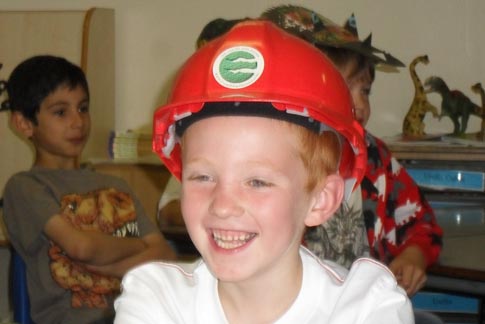
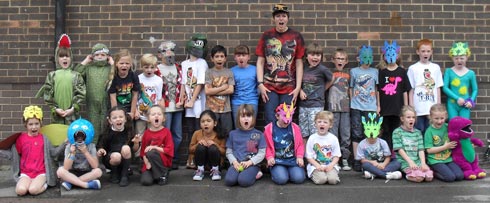
As a special treat, the children were allowed to come to school dressed as a dinosaur if they wanted to.  They made quite a colourful display with their dinosaur masks and costumes.  Some clever mums even made paper mache dinosaur hats, these were very impressive and they looked great in the classroom with all the dinosaur themed art and project work that the pupils had been creating.

Enthusiastic dinosaur fan.

Picture credit: Grange Moor Primary

The children had certainly enjoyed their term topic.  There were lots of examples of their school-work on display, including some colourful dinosaurs that had been created using painted, paper plates to make the bodies.  The teachers and teaching assistants had taken great care to include a vast array of different types of lesson, all aimed at stimulating and enthusing the class.

To contact Everything Dinosaur to learn more about the company: Contact Everything Dinosaur (Email).

Dinosaur Day – Class Photograph

Roaring like a Dinosaur!

Picture credit: Grange Moor Primary School

All the young dinosaur fans enjoyed themselves and we were asked lots of questions (which we did our best to answer), we even met one young pupil who had decided to become a palaeontologist when he was older – good for him!

To visit Everything Dinosaur’s child-friendly and award-winning website: Toys and Games with a Dinosaur Theme.

31 03, 2012

The Young Palaeontologists at Kensington Primary School

By |2023-01-29T07:53:26+00:00March 31st, 2012|Categories: Dinosaur Fans, Educational Activities, Everything Dinosaur News and Updates, Teaching|0 Comments

Year 4 Pupils at School Demonstrate their Knowledge of Dinosaurs

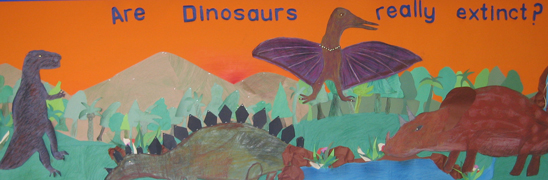
Yesterday, one of Everything Dinosaur’s team members visited Year 4 pupils at Kensington Primary school as part of the school’s teaching topic which has focused on dinosaurs.  The budding young palaeontologists were keen to show off their special dinosaur hats that they had made under the supervision of their teacher’s Miss Rafique and Miss Vavrykovych.  The visit from Everything Dinosaur helped reinforce learning outcomes that had been covered during an earlier trip to the Natural History Museum, the classroom walls displayed the various stories and pictures that the children had created. There were even some dinosaur scenes on display that the children had made, surrounded by all these dinosaurs, we were certainly made to feel at home.

Young Palaeontologists

Three brave pupils in Miss Rafique’s class got the chance to cast a museum quality replica of a tyrannosaur manual ungual (finger claw most likely from a large, Late Cretaceous meat-eater known as Albertosaurus sarcophagus).  This would make an interesting addition to the classroom’s colourful dinosaur display, after all, not many school children get to see and handle dinosaur claws.

Some of the Colourful Artwork on Display Outside the Classrooms

Are dinosaurs really extinct?

Picture credit: Everything Dinosaur/Kensington Primary School

As part of Everything Dinosaur’s commitment to the Earth Sciences we wanted to give the children an insight into some real palaeontology puzzles and problems. For example, one class looked briefly at the horned dinosaur Triceratops and why very few fossilised forelimbs seem to have been preserved in the fossil record, whilst the second class looked at Spinosaurus and what the fossils tell us about huge meat-eating dinosaurs.

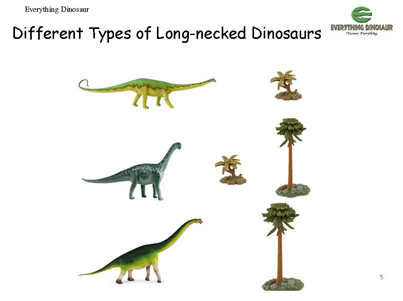
Building on this theme, with the assistance of Miss Rafique and the teaching assistant, Mrs Pate,l we explored how the sauropod (long-necked dinosaur), Brontomerus got its name.  Having examined some of the evidence, the pupils were given the chance to name their very own sauropod.

 Naming a Dinosaur – Different Sauropod Types

Thinking of a name for a long-necked dinosaur.

Picture credit: Everything Dinosaur

Based on the fossil evidence provided, the school children came up with a variety of amazing names for a herbivorous dinosaur whose long neck enabled it to reach high into trees to feed.

Dinosaur Names

Some of the names the children thought of:

Branchosaurus, Altisaurus, Reachosaurus, Antelopeohsaurus and Dinnerosaurus.

When classifying newly discovered dinosaurs, if you are given the job of describing the animal then you get to name it, so perhaps these young palaeontologists may inspire some amazing dinosaur names.

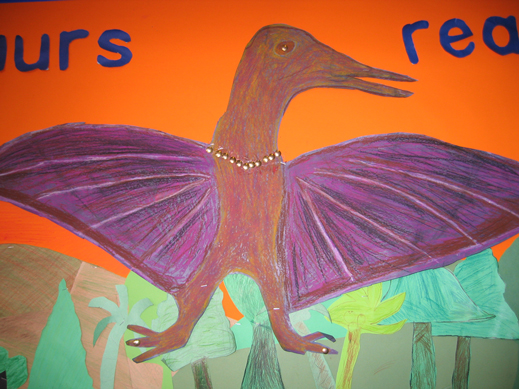
Close up of the Pterosaur (Flying Reptile) in the Artwork

Interesting use of drawing pins.

Picture credit: Everything Dinosaur/Kensington Primary School

On the very colourful dinosaur artwork that was on show outside Year 4’s classroom, we noticed a novel use of drawing pins.  The pictures had been pinned to the backdrop, but also a drawing pin had been used to make the eye of the pterosaur (flying reptile).  Drawing pins had also been used to make a dramatic, gold necklace-like marking on the neck of the creature.  We thought this was a lovely and very creative touch.  Perhaps if scientists were to discover a flying reptile fossil with distinctive markings on the cervical vertebrae (neck bones) they could call in “Machorhynchus” as the drawing pins reminded us of a chest medallion.

It was a pleasure to visit the school and to meet all the enthusiastic pupils, perhaps some of the children will go on to have a career in the Earth sciences.

Visit Everything Dinosaur’s website: Everything Dinosaur.

9 02, 2012

The Appalling Quality of Some Dinosaur Themed Merchandise

By |2023-01-27T22:19:26+00:00February 9th, 2012|Categories: Dinosaur Fans, Educational Activities, Teaching|1 Comment

Visit to a Trade Show – Guaranteed to Upset Us

One of the saddest sights for us as dedicated teachers and dinosaur enthusiasts is to see inaccurate dinosaur themed merchandise.  It is depressing to recall just how many of the prehistoric animal influenced toys, games, books and other products that we come across contain information that at best can be misleading, or at worst entirely wrong.

A recent visit to a trade show in the UK only served to highlight this problem once again.  Dinosaurs and other creatures preserved in the fossil record, animals such as the marine reptiles and the pterosaurs are universally popular with children.  We use dinosaurs as a teaching topic, helping to motivate young people to learn more about general science, mathematics and history.  At Everything Dinosaur, we are far from perfect and we tend not to be too pedantic over binomial conventions and other such matters, but when we come across products on sale to the public which purport to have some educational value, and facts/statements they contain are wrong – it makes us very upset.

Company’s are all too eager to exploit the public’s interest and fascination with dinosaurs.  Many firms take great care in how they go about producing merchandise, facts are checked and re-checked, and experts are appointed to oversee the development work, but we encounter examples all the time when perhaps through ignorance or perhaps just because of incompetence, information about prehistoric animals is provided that is just incorrect.

Poor Quality Dinosaur Information

For example, team members went to a trade show recently.  Amongst the many hundreds of exhibitors there were a few stands that had dinosaur themed products and merchandise on display.  A gift card manufacturer was launching a range of new cards which featured drawings of animals from prehistory.  One of the cards featured T. rex.  Like many businesses, this particular firm had attempted to provide some information about this famous theropod on the back of the gift card.  The attempts have to be commended, helping to provide information, to educate, is important.  However,  the brief paragraph of information they had provided on the “King of the Tyrant Lizards” contained a number of inaccuracies.  Every  young, budding palaeontologist knows that the dinosaurs died out approximately sixty-six million years ago.  The information on the back of the gift card stated that Tyrannosaurus rex existed around fifty-eight million years ago.  The fossil record suggests that this is completely inaccurate.

Sadly, such mistakes are not uncommon, one of these days we will go through our data files and produce a top ten of prehistoric animal themed merchandise blunders, but for the moment we will provide a couple of other examples from our more recent researches.

Poor Quality Dinosaur Information

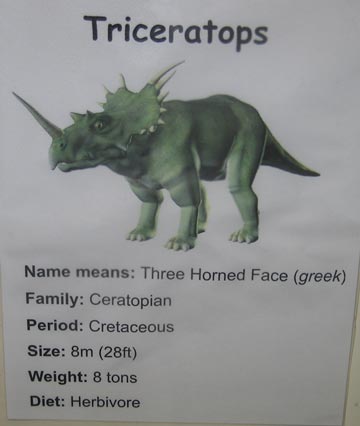
Triceratops mistakes! Poor quality dinosaur information.

Triceratops? Not very good quality teaching resources.

Picture credit: Everything Dinosaur

Archaeopteryx may be one of the world’s most famous prehistoric creatures.  Fossils of this creature with reptilian and avian traits from Upper Jurassic strata have intrigued scientists for over one hundred and fifty years.  This “early bird” is the subject of intense research even today, but on numerous occasions we have encountered products that have got the spelling of this famous creature from the fossil record wrong.  Letters are missed or even added – such a shame, especially when firms are trying to add credibility to their various products by attempting to provide some information about the prehistoric animals they depict.

Products based around flying reptiles (pterosaurs) are also a happy hunting ground for those of us who spot these “bloopers”.  We are going to have to think of a better term to describe such mistakes on dinosaur toys and other items.  At the same trade show, we found a product which depicted a pterodactyl.  We don’t want to go into the issue surrounding the use of the word “pterodactyl” in this article, we have covered that treacherous ground for the uninitiated when it comes to providing information before, however, the picture of the flying reptile was no Pterodactylus, more like a member of the family Pteranodontidae, except that this creature had some very prominent teeth in its jaws.  If the objective was to produce an image of a Pteranodon, something like Pteranodon longiceps, then we think this particular drawing left a lot to be desired.

Whether it is duck-billed dinosaurs with their names spelt incorrectly, members of the tyrannosaur family from the Late Cretaceous with four-fingered hands or indeed a picture of a prehistoric animal in a dinosaur book with the wrong annotation attached to it, all these mistakes and inaccuracies can be avoided.

Many children have a passion for dinosaurs, their enthusiasm for all things prehistoric can provide a platform for them to go on to have a life-long interest in the natural world and science.  It is such a shame that there seems to be an increasing amount of inaccurate dinosaur and prehistoric animal themed merchandise available.  Some firms seem only too willing to exploit this interest, we do our best to provide support and to help stem the tide.

To view a range of quality prehistoric animal models and figures, all approved by Everything Dinosaur’s teaching team and dinosaur experts: Everything Dinosaur.

Go to Top