All about dinosaurs, fossils and prehistoric animals by Everything Dinosaur team members.

Everything Dinosaur’s work with photoshop and other platforms.

7 07, 2023

The Stunning Suskityrannus hazelae is Illustrated

By |2024-01-02T20:40:19+00:00July 7th, 2023|Categories: Adobe CS5, Dinosaur and Prehistoric Animal Drawings, Dinosaur Fans, Everything Dinosaur News and Updates, Everything Dinosaur Products, Main Page, Photos of Everything Dinosaur Products, Press Releases|0 Comments

Suskityrannus hazelae illustrated as preparations are made for the arrival of Wave 2 of the Beasts of the Mesozoic tyrannosaur figures. Team members have ensured that this early Late Cretaceous tyrannosauroid has been illustrated as the fact sheet for this new figure is being written.
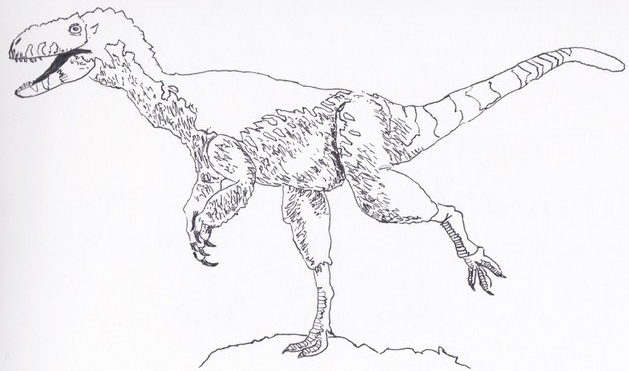
Suskityrannus hazelae illustrated
An illustration of Suskityrannus hazelae in preparation for the next wave of Beasts of the Mesozoic theropod figures.

The Suskityrannus hazelae drawing will be converted into a scale drawing. This illustration will be incorporated into a fact sheet on this small theropod dinosaur.

The next shipment of Beasts of the Mesozoic articulated figures is expected to dock at Felixstowe at the end of July. The shipment will contain other, new Wave 2 theropods such as Proceratosaurus, Qianzhousaurus and Lythronax.

To view the Beasts of the Mesozoic figures available from Everything Dinosaur: Beasts of the Mesozoic Articulated Prehistoric Animal Figures.

Suskityrannus hazelae

Named and described in 2019 (Nesbitt et al), this dinosaur is known from two fossil specimens. The fossils come from the Moreno Hill Formation of the Zuni Basin in New Mexico. The deposits associated with the tyrannosauroid fossils have been dated to around 92 million years ago.

To read the Everything Dinosaur blog post that covered the formal scientific description of S. hazelae: Suskityrannus hazelae A Late Cretaceous Tyrannosauroid from New Mexico.

Although known from fossil material representing juveniles, palaeontologists were able to make some startling conclusions. Suskityrannus hazelae, had the same general body shape and feet adapted to running (arctometatarsalian feet), as the later, much larger tyrannosaurs such as Albertosaurus, Gorgosaurus and Tyrannosaurus rex.

Suskityrannus hazelae Illustrated

A spokesperson from Everything Dinosaur commented:

“The Suskityrannus illustration is one of three new drawings that we have commissioned. These drawings will be used in the prehistoric animal fact sheets that we intend to write. Fact sheets are sent out with sales of prehistoric animal and dinosaur figures.”

Visit Everything Dinosaur’s award-winning website: Everything Dinosaur.

6 07, 2023

Schleich Quetzalcoatlus Wings an Exclusive Video

By |2024-01-02T20:39:53+00:00July 6th, 2023|Categories: Adobe CS5, Dinosaur Fans, Everything Dinosaur Products, Everything Dinosaur videos, Main Page, Photos of Everything Dinosaur Products|0 Comments

Everything Dinosaur will post up in the near future a brief video that demonstrates how the new for 2023 Schleich Quetzalcoatlus wings work. Our plan is to produce a video short. It will be around 45 seconds long and the video will show how the Schleich Quetzalcoatlus can be posed either flying or resting.

The Schleich Quetzalcoatlus model
Everything Dinosaur has created a short video highlighting how the articulated wings on the new for 2023 Schleich Quetzalcoatlus function. Picture credit: Everything Dinosaur.

Picture credit: Everything Dinosaur

The Schleich Quetzalcoatlus Wings

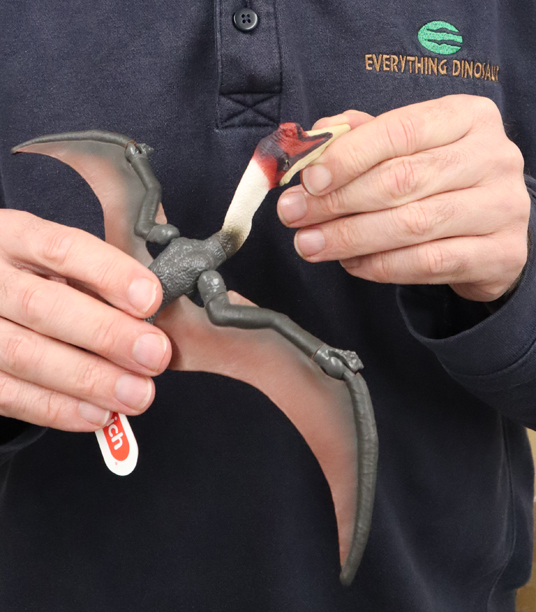
The new Schleich Quetzalcoatlus pterosaur model has jointed wings. There is a joint at each shoulder and a second joint where the manus (hand) on the pterosaur would have been. This permits collectors and fans of prehistoric animals to change the pose of their Quetzalcoatlus figure.

To view the range of Schleich figures and prehistoric animal models available from Everything Dinosaur: Schleich Dinosaurs and Prehistoric Animal Figures.

Schleich Quetzalcoatlus.
The Schleich Quetzalcoatlus figure has jointed wings. The model can be displayed flying or in a resting pose.

Everything Dinosaur on YouTube

The video will be posted up on Everything Dinosaur’s YouTube channel in the next few days.

Visit the YouTube channel of Everything Dinosaur: Everything Dinosaur on YouTube.

A spokesperson from Everything Dinosaur commented:

“Schleich is not known for producing highly accurate figures. Their target market is young fans of prehistoric animals and dinosaurs. The company has taken a novel approach to this pterosaur model and we congratulate the design team for their innovative design.”

Schleich Quetzalcoatlus model.
The new for 2023 Schleich Quetzalcoatlus pterosaur model. This cleverly designed figure has articulated wings so that they can be folded permitting the flying reptile to be posed in a resting position. Picture credit: Everything Dinosaur.

Picture credit: Everything Dinosaur

The Schleich model range consists of a wider selection of prehistoric animal figures. A further five new dinosaur models were added to this range at the beginning of the year. The models are hand-painted and great for robust, creative play. Many of the models have points of articulation. This is the first Schleich Quetzalcoatlus model to have articulated wings.

Visit the award-winning Everything Dinosaur website: Everything Dinosaur.

5 07, 2023

The New Schleich Quetzalcoatlus Model (2023)

By |2024-03-09T15:53:07+00:00July 5th, 2023|Categories: Adobe CS5, Dinosaur Fans, Everything Dinosaur Products, Main Page, Photos of Everything Dinosaur Products, Press Releases|0 Comments

The new for 2023 Schleich Quetzalcoatlus model has arrived in stock at Everything Dinosaur. This week has been exceptionally busy for Everything Dinosaur team members with new model deliveries from Papo, Mojo Fun and now Schleich.

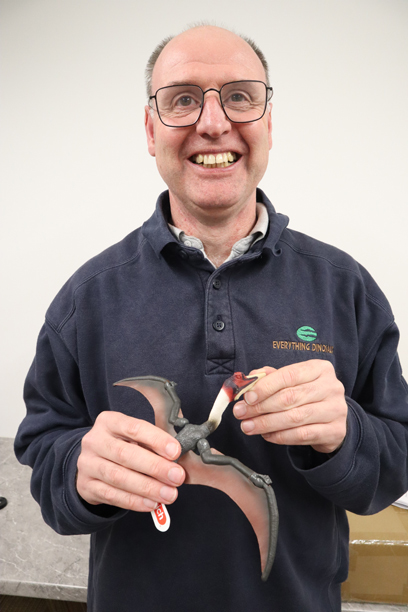
Still, despite their busy schedule Everything Dinosaur team members manage to keep smiling.

Schleich Quetzalcoatlus model.
The Schleich Quetzalcoatlus model has arrived in stock at Everything Dinosaur. A new for 2023 pterosaur model. Picture credit: Everything Dinosaur.

Picture credit: Everything Dinosaur

Schleich Quetzalcoatlus Model

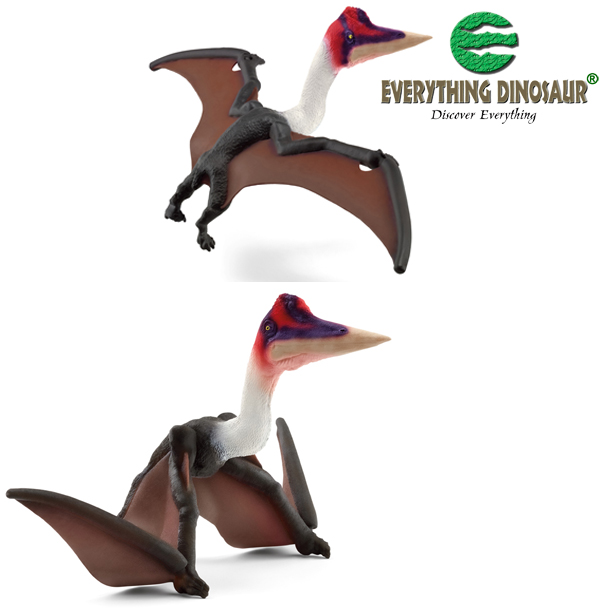
The colourful Schleich Quetzalcoatlus model has an innovative design. There are joints at the shoulders and at the hands which permits the wings to be bent. The figure can be posed in a resting position. Alternatively, the wings can be folded out to give the impression that this flying reptile is airborne,

Schleich Quetzalcoatlus.
The Schleich Quetzalcoatlus figure has jointed wings. The model can be displayed flying or in a resting pose.

Schleich has a long history of producing Quetzalcoatlus figures. Quetzalcoatlus featured in the original Schleich “Saurus” model series and also in the smaller Schleich dinosaurs range. This is the first Schleich pterosaur to be produced with articulated wings.

The model has a brightly coloured head. Palaeontologists think that pterosaurs had excellent colour vision.

A spokesperson from Everything Dinosaur commented:

“The head of the Quetzalcoatlus is a striking combination of crimson and purple. The colour scheme chosen by the design team at Schleich is quite inspired.”

The spokesperson added:

“The novel, folded wings provide plenty of options for creative, imaginative play.”

Schleich Quetzalcoatlus model.
The new for 2023 Schleich Quetzalcoatlus pterosaur model. This cleverly designed figure has articulated wings so that they can be folded permitting the flying reptile to be posed in a resting position. Picture credit: Everything Dinosaur.

Picture credit: Everything Dinosaur

To view the range of Schleich prehistoric animal models available on the Everything Dinosaur website: Schleich Prehistoric Animal Figures.

4 07, 2023

The New for 2023 Mojo Fun Woolly Rhino

By |2024-01-02T20:39:32+00:00July 4th, 2023|Categories: Adobe CS5, Dinosaur Fans, Everything Dinosaur News and Updates, Everything Dinosaur Products, Main Page, Photos of Everything Dinosaur Products, Press Releases|0 Comments

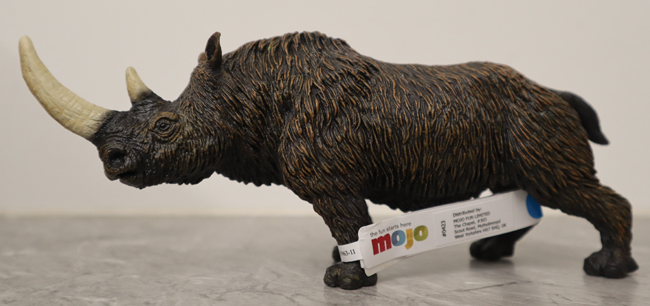
The new for 2023 Mojo Fun Woolly Rhino is in stock at Everything Dinosaur. Team members have been busy contacting all the customers who wanted to be informed about this prehistoric rhino’s arrival. The Woolly Rhino has been eagerly anticipated, it is a beautifully detailed replica of a Coelodonta antiquitatis.

Mojo Fun Woolly Rhino model.
The new for 2023 Mojo Fun Woolly Rhino model has arrived in stock at Everything Dinosaur. Picture credit: Everything Dinosaur.

Picture credit: Everything Dinosaur

The Woolly Rhinoceros (Coelodonta antiquitatis)

It is thought that this ancient rhinoceros evolved in Asia. During the Pleistocene Epoch it had an extensive range.

To read an Everything Dinosaur blog post from 2011, about the origins of the Coelodonta genus: The Origins of the Woolly Rhino.

Fossils of Coelodonta antiquitatis have been found in the London area (Thames River gravels). The scientific name translates as “ancient hollow tooth”. The name derives from the animal’s teeth. Molars associated with this grazer of grasses and sedge have a distinctive cavity.

The Mojo Fun Woolly Rhinoceros model measures around 19 cm in length. Everything Dinosaur team members estimate the head height to be around 7 cm.

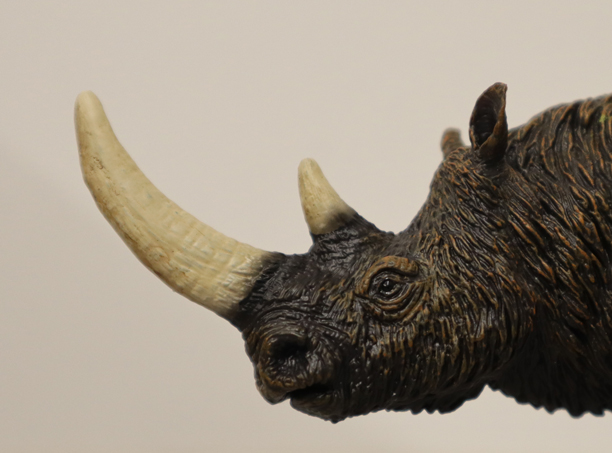
A close-up view of the head of the Mojo Fun Woolly Rhino model.
A close-up view of the magnificent Mojo Fun Woolly Rhinoceros model. Picture credit: Everything Dinosaur.

Picture credit: Everything Dinosaur

The Mojo Fun Woolly Rhino Model

A spokesperson from Everything Dinosaur commented:

“This is a spectacular replica of a Woolly Rhino. The model has a superb, tactile coat giving the impression of coarse hair. The two horns are carefully sculpted and even show signs of wear. Our congratulations to the design team at Mojo Fun.”

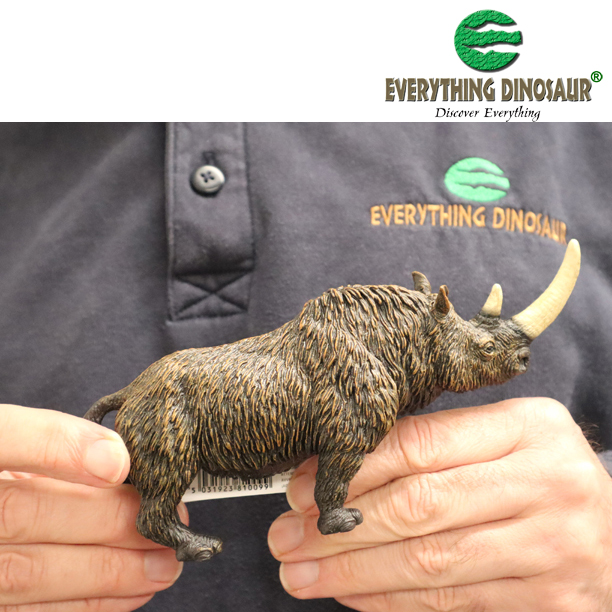
Everything Dinosaur and the Mojo Fun Woolly Rhino model.
Proudly holding the new for 2023 Mojo Fun Woolly Rhino figure. Picture credit: Everything Dinosaur.

Picture credit: Everything Dinosaur

To view the range of Mojo Fun prehistoric animal figures in stock at Everything Dinosaur: Mojo Fun Prehistoric Animal and Extinct Figures.

Woolly Rhino Extinction

The last of the Woolly Rhinos are believed to have persisted in Siberia. The genus becoming extinct around 13,000 to 14,000 years ago. A research paper published in 2021 (Wang et al), postulated that some Woolly Rhinos could have survived into the Holocene, with the last of their kind dying out around 9,800 years ago. The conclusions of the study, which was based on the dating of environmental DNA, have been challenged. The environmental DNA could have originated from older sediments and subsequently redeposited into much younger strata.

Visit Everything Dinosaur’s award-winning website: Everything Dinosaur.
3 07, 2023

Hello Old Friends Papo Models

By |2023-07-03T14:29:55+01:00July 3rd, 2023|Categories: Adobe CS5, Dinosaur Fans, Everything Dinosaur News and Updates, Everything Dinosaur Products, Main Page, Photos of Everything Dinosaur Products, Press Releases|0 Comments

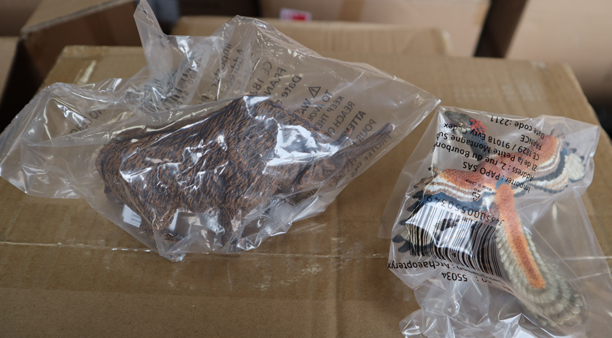
The recently reintroduced Papo Archaeopteryx and Woolly Rhino models have arrived in stock at Everything Dinosaur. The two retired figures are available again. Team members have been busy contacting those customers about the reintroduction of these two prehistoric animal models.

Papo Archaeopteryx and Woolly Rhino
The reintroduced Papo Woolly Rhino model (left) and the Papo Archaeopteryx (right). Picture credit: Everything Dinosaur.

Picture credit: Everything Dinosaur

The picture (above) shows the first of these two figures to be unpacked this morning. A shipment of Papo models arrived including the Papo Archaeopteryx and the Woolly Rhino.

A spokesperson from Everything Dinosaur stated:

“It is great to see these old friends again. We know that many collectors missed out on these two models when they were originally launched. These model fans have the opportunity to complete their Papo collections.”

To view the range of Papo prehistoric animal models in stock at Everything Dinosaur: Papo Dinosaurs and Prehistoric Animal Figures.

The Papo Woolly Rhinoceros Model

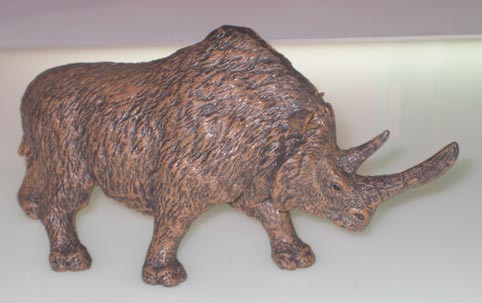
The Papo Woolly Rhinoceros model was introduced in 2013. It was retired a few years later. The figure has proved popular with collectors. Numerous Woolly Rhino fossils have been found in France and Papo were keen to introduce models of animals reflected in the country’s own extensive fossil record. The Woolly Rhinoceros had a large, keeled front horn. This horn and the model’s shape reflected fossil evidence and the prehistoric drawings found in French caves.

Woolly Rhino (Coelodonta antiquitatis).
Great care has been taken to depict the anterior horn on the Papo Woolly Rhino model. Picture credit: Everything Dinosaur.

Picture credit: Everything Dinosaur

Papo Archaeopteryx

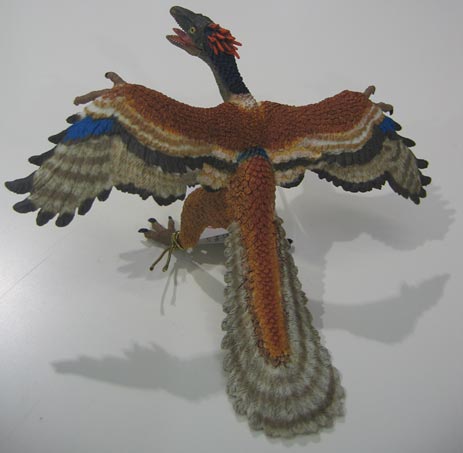
The Papo “Urvogel” or Archaeopteryx was first introduced into the “Les Dinosaures” range back in 2014. This colourful theropod model was withdrawn in 2019. One of the ways in which manufacturers can engage with their customers is by reintroducing old favourites that had gone out of production. It also provides the manufacturer with a low-cost model. No mould making costs or development costs are associated with a reintroduced figure.

Papo prehistoric animal models (Papo Archaeopteryx).
Papo Archaeopteryx “ancient wing” by Papo. Picture credit: Everything Dinosaur.

Picture credit: Everything Dinosaur

The Papo Archaeopteryx and Woolly Rhino Figures

Dinosaur fans and model collectors have already begun to speculate on what other recently retired Papo figures might be returned.

The spokesperson from Everything Dinosaur did confirm that discussions had taken place some years ago about the return of the iconic Papo standing T. rex model (green standing T. rex).

Visit Everything Dinosaur’s website: Everything Dinosaur.

29 06, 2023

A Beautiful Mapusaurus Fossil Skull

By |2024-01-02T20:28:25+00:00June 29th, 2023|Categories: Adobe CS5, Dinosaur Fans, Main Page, Photos/Pictures of Fossils|0 Comments

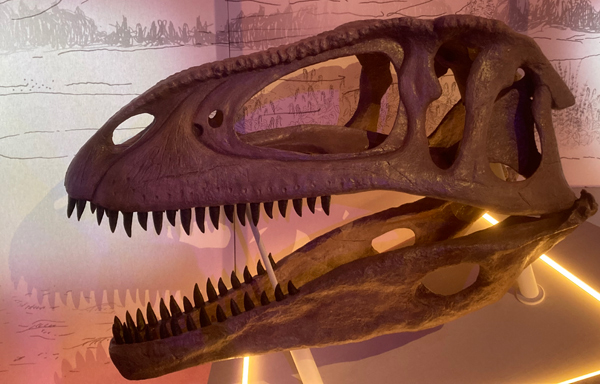
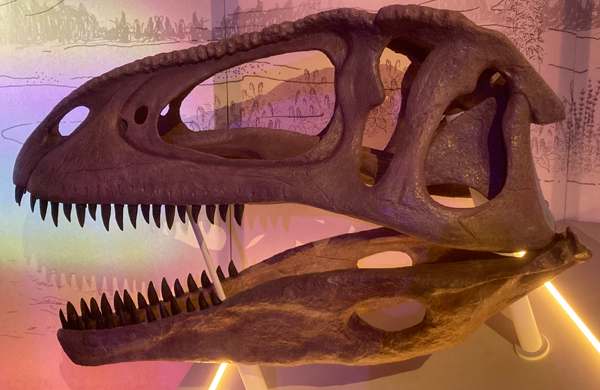
Amongst the many exhibits at the “Titanosaur: Life as the Biggest Dinosaur” exhibition is a theropod replica skull. Team members visited the exhibition and marvelled at the dinosaur’s model skull. If we recall correctly, it was a replica of a Mapusaurus fossil skull. The “Titanosaur: Life as the Biggest Dinosaur” exhibition is currently at the London Natural History Museum.

Mapusaurus fossil skull
A view of the Mapusaurus replica skull on display at the London Natural History Museum (Patagotitan exhibition). In this view the skull looks narrow and elongated. Picture credit: Everything Dinosaur.

Picture credit: Everything Dinosaur

Mapusaurus roseae

Mapusaurus (M. roseae), has been classified as a member of the Carcharodontosauridae family. More specifically, this huge theropod is regarded by many palaeontologists as a sister taxon to Giganotosaurus. As such, it has been classified in the tribe Giganotosaurini alongside Giganotosaurus carolinii.

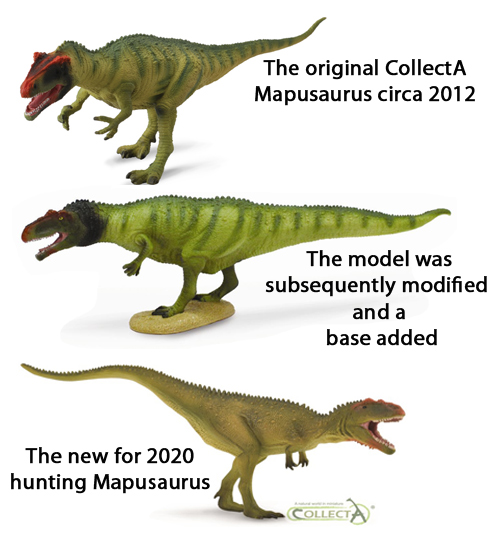
Evolution of Mapusaurus replicas within the CollectA model range.
The changing Mapusaurus models 2012 – 2020 (CollectA).

The picture (above) shows how Mapusaurus models have changed over the last few years as more carcharodontosaurid fossils have been found. These models are all CollectA replicas.

To view the CollectA range of not-to-scale prehistoric animal models: CollectA Prehistoric Life Models.

Mapusaurus Fossil Skull

Palaeontologists know that large carcharodontosaurids coexisted with titanosaurs like Patagotitan (P. mayorum). It has been postulated that theropods did hunt titanosaurs. Perhaps carnivores mobbed sick, old or juvenile members of the herd. It is hard to imagine a single 13-metre-long carnivore being able to subdue an adult Patagotitan that measured more than 30 metres in length.

A carcharodontosaurid skull is included in the exhibit. We think this is a replica of the skull of Mapusaurus roseae. Mapusaurus is geologically younger than Patagotitan. The dating of volcanic ash layers associated with the Patagotitan deposits suggest that this dinosaur lived approximately 100 million years ago.

Mapusaurus fossil skull.
The Mapusaurus skull replica looks shorter and broader when viewed from 90 degrees. Compare this view with the Mapusaurus skull photograph at the top of the article. Picture credit: Everything Dinosaur.

Picture credit: Everything Dinosaur

M. roseae fossils are associated with the Huincul Formation, these are younger strata than the rocks associated with Patagotitan fossil material. Mapusaurus lived approximately 96-94 million years ago.

To read Everything Dinosaur’s earlier blog post looking at a trio of carcharodontosaurid dinosaurs: A Trio of Carcharodontosaurids.

There is a carcharodontosaurid that comes from the same Member of the Cerro Barcino Formation as Patagotitan. This dinosaur is Tyrannotitan chubutensis, another giant member of the Giganotosaurini tribe. Tyrannotitan may have hunted and attacked Patagotitan.

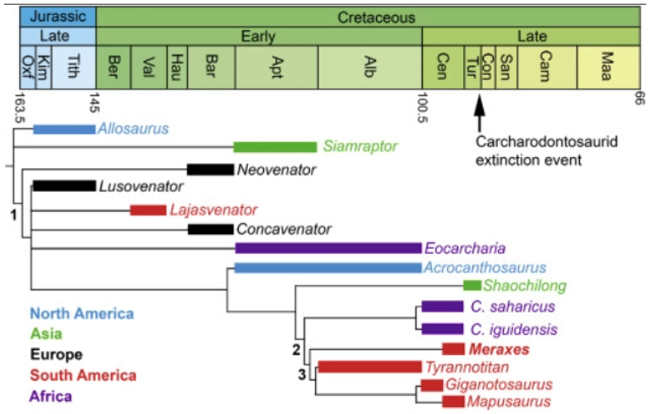
Meraxes gigas Timeline
Cladogram depicting the temporal and geographical distribution of the Carcharodontosauridae family of theropod dinosaurs. At the time of their extinction these meat-eating dinosaurs seem to have been at their peak diversity. Picture credit: Canale et al.

The cladogram (above) shows the estimated temporal range for several theropod dinosaurs associated with the carcharodontosaurid lineage. Tyrannotitan was not contemporaneous with Mapusaurus.

Visit Everything Dinosaur’s website: Everything Dinosaur.

28 06, 2023

Our Favourite Dinosaur is the Popular Protoceratops

By |2024-01-02T06:55:36+00:00June 28th, 2023|Categories: Adobe CS5, Dinosaur Fans, Main Page, Photos/Pictures of Fossils, Press Releases|0 Comments

What is Everything Dinosaur’s favourite dinosaur? This question was asked recently and although we are fascinated with lots of prehistoric animals, a quick discussion revealed that our favourite dinosaur is Protoceratops.

Palaeontologists can study Protoceratops (there are now two recognised species) at various growth stages from embryos in eggs to extremely old, mature adults.

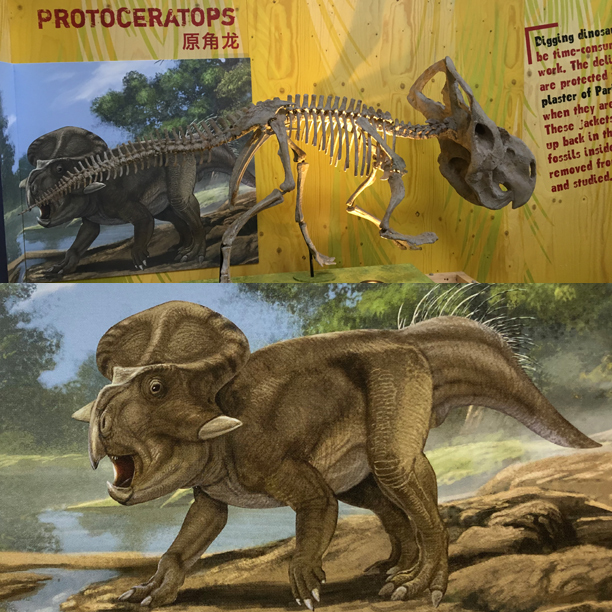
Faourite dinosaur is Protoceratops.
The “sheep of the Cretaceous”. Protoceratops replica fossil skeleton (top) and (bottom) a life reconstruction of this small ceratopsid. Picture credit (top): Everything Dinosaur. Picture credit (bottom): Zhao Chuang.

The “Sheep of the Cretaceous”

Nicknamed the “sheep of the Cretaceous” due to the relatively abundant fossil material. This dinosaur, distantly related to Triceratops and Styracosaurus was formally described 100 years ago (Granger and Gregory,1923). Two species are recognised Protoceratops andrewsi and P. hellenikorhinus (Lambert et al 2001).

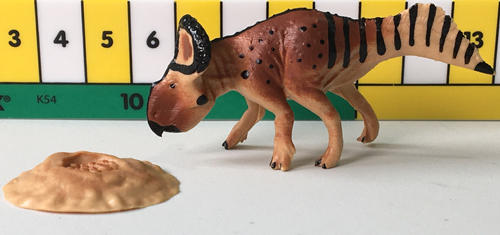
The Wild Past Protoceratops model measures around 6.5 cm long.
The Wild Past Protoceratops (P. andrewsi) next to a geology ruler to show scale. Picture credit: Everything Dinosaur.

Picture credit: Everything Dinosaur

The picture (above) shows the Wild Past Protoceratops dinosaur model. It is a small figure, but it does come supplied with a nest and an Everything Dinosaur fact sheet.

To view the range of Wild Past models: Wild Past Prehistoric Animal Models and Figures.

Our Favourite Dinosaur is Protoceratops

We have learned a lot about dinosaurs thanks to Protoceratops. It may not be the biggest dinosaur, but this herbivore has played a significant role in helping us to understand more about the Dinosauria and as such we will always regard this animal as something special.

If you visit a Natural History Museum, chances are that somewhere in the dinosaur gallery you will find Protoceratops. It is usually tucked away and it’s never going to attract the visitors like a T. rex, or a Triceratops (distantly related to Protoceratops), but go take a look, as I promise, you will probably learn something new about dinosaurs that you didn’t know before.

Visit Everything Dinosaur’s award-winning website: Everything Dinosaur.
27 06, 2023

Placental Mammals Co-existed with Dinosaurs

By |2023-07-01T08:35:14+01:00June 27th, 2023|Categories: Adobe CS5, Dinosaur and Prehistoric Animal News Stories, Dinosaur Fans, Main Page, Palaeontological articles|0 Comments

New research using complex mathematical models has proposed that placental mammals co-existed with dinosaurs during the Late Cretaceous. Using sophisticated Bayesian statistical analysis an international team of researchers have estimated that placental mammals originated during the Late Cretaceous. However, it was only after the extinction of the non-avian dinosaurs that modern, recognisable lineages of placentals were able to diversify.

Debate has long raged amongst researchers over whether placental mammals were present alongside the dinosaurs before the mass extinction, or whether they only evolved after the non-avian dinosaur extinction. Fossils of placental mammals are only found in rocks younger than 66 million years old, after the end-Cretaceous extinction event. This suggests that the group evolved after the demise of the non-avian Dinosauria. However, molecular clock data indicates that placental mammals originated earlier.

When Did Placental Mammals Evolve?

Writing in the academic journal “Current Biology”, a team of researchers including palaeobiologists from the University of Bristol, the University of Fribourg (Switzerland) and scientists from Sweden used a complex statistical analysis to confirm placental mammals co-existed the dinosaurs.

Lead author of the study Emily Carlisle (School of Earth Sciences at the University of Bristol) commented:

“We pulled together thousands of fossils of placental mammals and were able to see the patterns of origination and extinction of the different groups. Based on this, we could estimate when placental mammals evolved.”

PhD student Emily Carlisle.
PhD student Emily Carlisle (University of Bristol), the lead author of the paper. Picture credit: Emily Carlisle.

Co-author Daniele Silvestro (University of Fribourg) explained:

“The model we used estimates origination ages based on when lineages first appear in the fossil record and the pattern of species diversity through time for the lineage. It can also estimate extinction ages based on last appearances when the group is extinct.”

Placental Mammals Co-existed with Dinosaurs

The analysis indicates that primates (the ancestors of humans) probably evolved just before the K-Pg mass extinction event. In addition, the Lagomorpha (rabbits and hares) and the Carnivora were shown to have evolved when non-avian dinosaurs still roamed. The Carnivora is an extremely diverse Order of placental mammals. It includes cats, dogs, hyenas, civets, mongooses, bears, raccoons, pinnipeds (seals) and the mustelids (weasels, otters and their relatives).

To read an article from 2017 that examines evidence for an Early Cretaceous origin of placental mammals: Evidence of Placental Mammals – Dorset Fossils.

Co-author Professor Phil Donoghue (School of Earth Sciences, University of Bristol) added:

“By examining both origins and extinctions, we can more clearly see the impact of events such as the K-Pg mass extinction or the Palaeocene-Eocene Thermal Maximum (PETM).”

Everything Dinosaur acknowledges the assistance of a press release from the University of Bristol in the compilation of this article.

The scientific paper: “A timescale for placental mammal diversification based on Bayesian modelling of the fossil record” by Emily Carlisle, Christine M. Janis, Davide Pisani, Philip C. J. Donoghue and Daniele Silvestro published in Current Biology.

26 06, 2023

New Prehistoric Times Magazine (Issue 146)

By |2024-01-01T16:08:36+00:00June 26th, 2023|Categories: Adobe CS5, Dinosaur Fans, Magazine Reviews, Main Page, Prehistoric Times|0 Comments

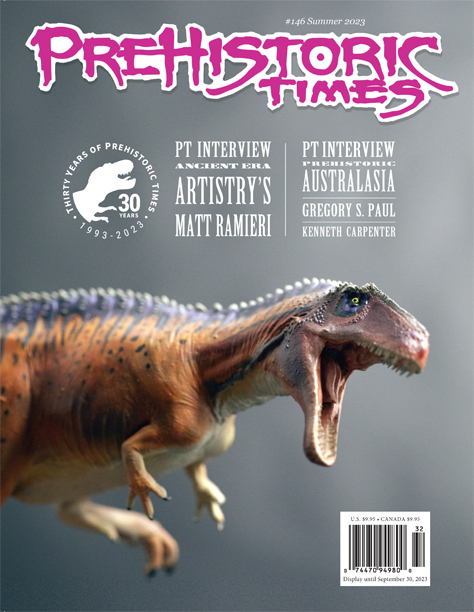
Our thanks to editor Mike Fredericks who sent into Everything Dinosaur an image of the front cover of the next edition of “Prehistoric Times” magazine. The next issue (summer 2023) is due to be despatched to the printers tomorrow.

Prehistoric Times magazine issue 146
The front cover of the next issue of Prehistoric Times magazine (issue 146 – summer 2023). Picture credit: Mike Fredericks.

“Prehistoric Times” Magazine

This quarterly magazine is extremely popular with dinosaur fans and prehistoric animal model collectors. Each issue features lots of amazing reader submitted artwork. The two prehistoric animals to be reviewed by Phil Hore are Tullimonstrum and Thescelosaurus.

In his email to Everything Dinosaur, editor Mike Fredericks stated:

“The new issue goes to the printer tomorrow. I think it will be an extra special issue. I interview a guy that creates 3D printed dinosaur models, and I interview the writers and artist of the beautiful new book Prehistoric Australasia.”

Subscribe to “Prehistoric Times” here: Subscribe to “Prehistoric Times” magazine.

The magazine has been published for more than thirty years. It has thousands of subscribers all over the world. Produced in the USA “Prehistoric Times” has a worldwide customer base. It has thousands of readers in the UK, Australia, New Zealand and it is extremely popular amongst Canadian dinosaur fans.

Issue 146 (Summer 2023)

Issue 146 (summer 2023) will include regular features such as news updates, model reviews and book launches. Expect more from Tracy Lee Ford in the excellent how to draw dinosaurs series. In this issue, Greg Paul provides his views on the influential artist Zdeněk Burian and Kenneth Carpenter tells of a new prehistoric national monument. In a few short weeks, the next issue will be landing in mailboxes.

Readers can expect prehistoric animal model reviews and an update on rare collectables from Randy Knol.

For dinosaur models, toys and prehistoric plush visit the award-winning Everything Dinosaur website: Visit the Everything Dinosaur Website.

24 06, 2023

The Tyrannosaur’s Feathers – A New Book

By |2024-01-02T20:28:43+00:00June 24th, 2023|Categories: Adobe CS5, Book Reviews, Dinosaur Fans, Main Page|0 Comments

The appearance of Tyrannosaurus rex continues to be a source of fascination for vertebrate palaeontologists and dinosaur fans of all ages. For example, the debate about whether the “King of the Tyrant Lizards” was covered in a coat of feathers remains a hot topic. We are likely to remain wrapped up in the integumentary covering of T. rex controversy for the foreseeable future. That’s not the only issue with this tyrannosaur that is preoccupying scientists and academics at present. For an informative and enjoyable guide to the scientific debate grab a copy of “The Tyrannosaur’s Feathers”. This new book about T. rex will be published in August (2023).

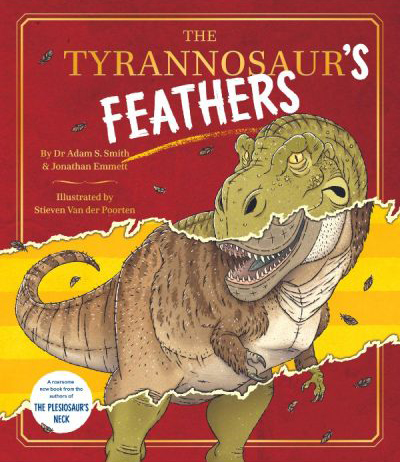
"The Tyrannosaur's Feathers" by Dr Adam Smith and Jonathan Emmett.
The front cover of “The Tyrannosaur’s Feathers” written by Dr Adam Smith and Jonathan Emmett. Picture credit: UClan Publishing/Stieven Van der Poorten.

Dr Adam Smith

Talented author and palaeontologist Dr Adam Smith, working with Jonathan Emmett, a distinguished writer of books for children, has penned a helpful guide to this scientific debate. The premise of this delightful book, revolves around a know-it-all Velociraptor informing our eponymous hero that he looks old-fashioned and needs a makeover.

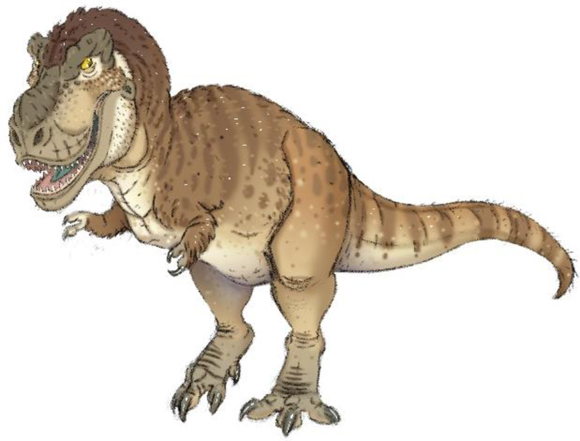
With an improved posture, some restyled body parts and a coat of shaggy feathers, T. rex gets a new look to match the latest scientific research.

“The Tyrannosaur’s Feathers”

Illustrated by Stieven Van der Poorten and aimed at young readers from six years and upwards “The Tyrannosaur’s Feathers” explains how new fossils and advances in scientific analysis have transformed our perceptions regarding this famous, apex predator.

"The Tyrannosaur's Feathers" the feathered T. rex.
Tyrannosaurus rex gets a makeover. A book explaining how our pecerptions about T. rex have changed. Picture credit: UClan Publishing/Stieven Van der Poorten.

Dr Smith has a passion for dinosaurs and marine reptiles. He has written more than twenty research papers and named several prehistoric animals. A curator at the Nottingham Natural History Museum at Wollaton Hall, Dr Smith looks after the museum’s collections and exhibitions.

To read an Everything Dinosaur’s blog post about “The Plesiosaur’s Neck”, the first collaboration between Dr Adam Smith and Jonathan Emmett: “The Plesiosaur’s Neck”.

A spokesperson from Everything Dinosaur commented:

“This is an amusing and well-crafted book. It explains how our views regarding Tyrannosaurus rex has changed since it was first named and described more than a century ago. It’s going to be essential reading for young dinosaur fans.”

“The Tyrannosaur’s Feathers” – Book Details

Publisher: UClan Publishing

Published 3rd August 2023 | Price: £7.99 | Pages: 32
6 plus| Paperback | ISBN: 9781915235596

Visit the publisher’s website: UClan Publishing.

Go to Top