All about dinosaurs, fossils and prehistoric animals by Everything Dinosaur team members.

About Mike

Mike runs Everything Dinosaur, a UK-based mail order company specialising in the sale of dinosaur and prehistoric animal models, He works alongside Sue, and between them they have become the "go to guys" for museum quality prehistoric animal models and figures. An avid fossil collector and reader of dinosaur books, Mike researchers and writes articles about palaeontology, fossil discoveries, research and of course, dinosaur and prehistoric animal models.
6 09, 2021

PNSO to Add a New Olorotitan Model

By |2024-07-02T07:12:31+01:00September 6th, 2021|Categories: Dinosaur Fans, Everything Dinosaur Products, Main Page|0 Comments

PNSO are to add an Olorotitan dinosaur model to the company’s popular mid-size model range. Ivan the Olorotitan will be in stock at Everything Dinosaur in a few weeks – approximately late October 2021.
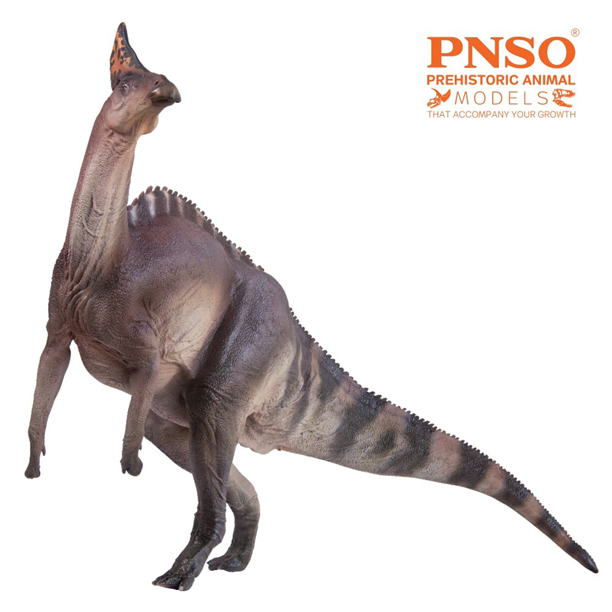
PNSO Ivan the Olorotitan dinosaur model
The new for 2021 PNSO Ivan the Olorotitan dinosaur model.

PNSO Ivan the Olorotitan Dinosaur Model

It is fitting to give this wonderful hadrosaur figure the nickname of Ivan. As Olorotitan (O. arharensis), is synonymous with Russia. This lambeosaurine is known from the Late Maastrichtian Udurchukan Formation of the Amur River region in far eastern Russia. When it was excavated and prepared, the single specimen from which this genus was named, proved to be the most complete dinosaur discovered to date in Russia. Its fossilised remains represent the most complete lambeosaurine known from outside North America.

PNSO Ivan the Olorotitan posterior view.
The new for 2021 PNSO hadrosaur figure (Ivan the Olorotitan) in posterior view.

The PNSO Models Representing the Lambeosaurinae

PNSO have already introduced two duck-billed dinosaur figures, both of which depict North American lambeosaurines. Audrey the Lambeosaurus and Caroline the Corythosaurus were introduced in 2020, it is great to see another member of the Lambeosaurinae introduced to the PNSO mid-size model range. Olorotitan may have lived more recently than both Lambeosaurus and Corythosaurus (although it is believed to be closely related to Corythosaurus). The geological age of the beds from which the holotype fossil came from is disputed. Most palaeontologists agree that the strata were laid down during the Maastrichtian faunal stage, the last stage of the Cretaceous, but whether these rocks represent Early or Late Maastrichtian deposition is uncertain.
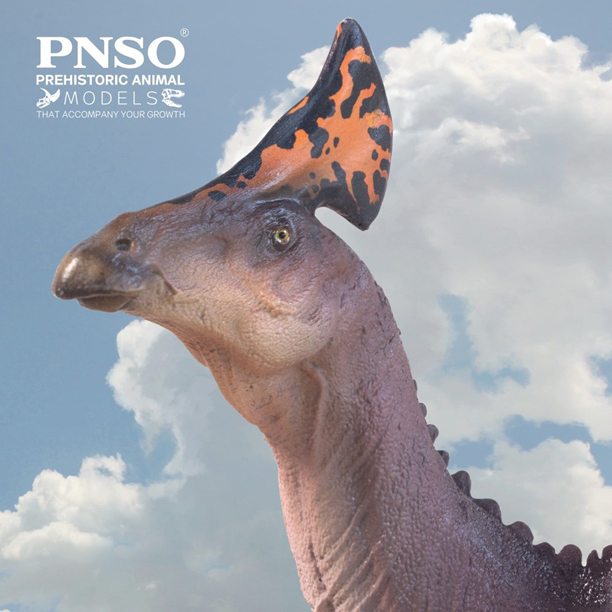
PNSO Olorotitan dinosaur model.
A close-up view of the magnificent head crest on the new for 2021 PNSO Olorotitan dinosaur model.

PNSO Olorotitan Model Measurements

The magnificent crest of the model stands some 14 cm off the ground and the model measures approximately 16.5 cm in length. Scientists are not sure how big this dinosaur was. Despite having a nearly complete skeleton to study, size estimates for Olorotitan vary considerably. Some palaeontologists, notably the American palaeontologist Thomas Holtz (University of Maryland), have claimed that Olorotitan could have been up to 12 metres long.

As with other PNSO models in their mid-size range, no scale for this figure is declared.

For dinosaur and prehistoric animal models, take a look at the Everything Dinosaur website: Dinosaur Toys.
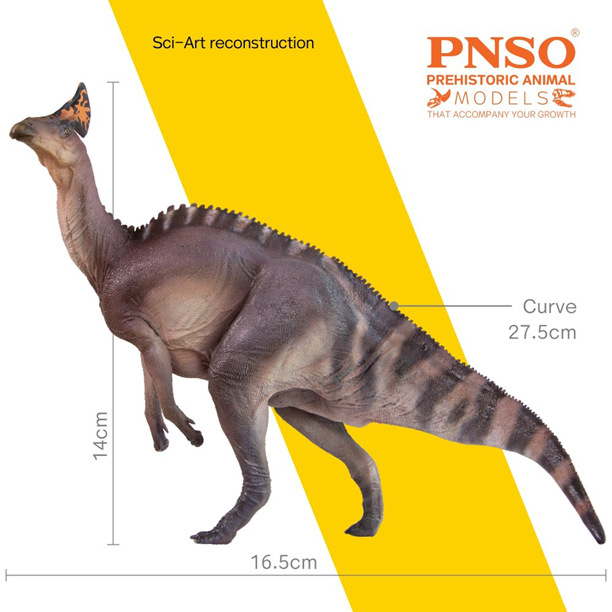
PNSO Ivan the Olorotitan model measurements.
The model stands 14 cm high and it measures approximately 16.5 cm in length.

A Transparent Support Stand

Olorotitan was very probably a facultative biped. It probably spent most of the time as a quadruped, but it could walk or run on just its back legs, should the need have arisen. The PNSO model is depicted in a bipedal pose, as if the dinosaur is scanning the horizon for any possible signs of danger. A transparent support stand is supplied with this figure to help stabilise it in this dynamic pose.
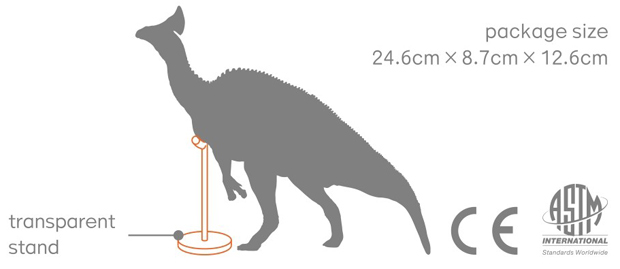
PNSO Olorotitan model is supplied with a support stand.
A transparent stand is supplied with the Olorotitan figure to help stabilise the model and permit this dinosaur to be displayed in a dynamic pose.

Ironically, although the strata associated with Olorotitan have produced abundant vertebrate fossils, including several hadrosaurs, turtles, crocodilians, evidence of titanosaurs and theropods, no carnivorous dinosaurs have been named to date from the Udurchukan Formation, although large tyrannosaurs were almost certainly present.

In Stock Soon at Everything Dinosaur

Ivan the Olorotitan was already being prepared for shipping to Everything Dinosaur, even before this figure was officially announced. This exciting new dinosaur model is likely to be in stock late October or possibly early November (2021).
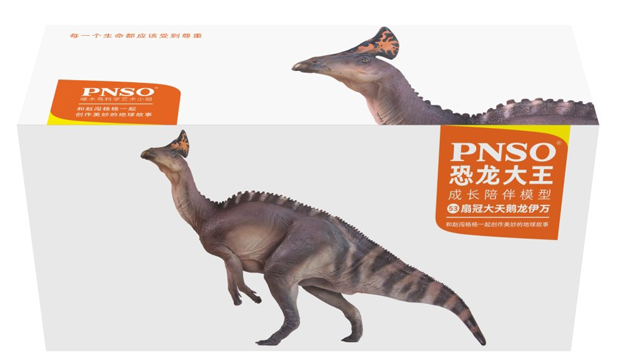
PNSO Ivan the Olorotitan product packaging.
As with all the other models in the PNSO mid-size model range, the clean lines of the packaging are to be admired.

To view the range of PNSO models and figures in stock: PNSO Age of Dinosaurs.

5 09, 2021

The New Mojo Prehistoric Life Smilodon

By |2024-07-02T07:08:27+01:00September 5th, 2021|Categories: Adobe CS5, Dinosaur Fans, Everything Dinosaur News and Updates, Everything Dinosaur Products, Main Page, Photos of Everything Dinosaur Products, Press Releases|1 Comment

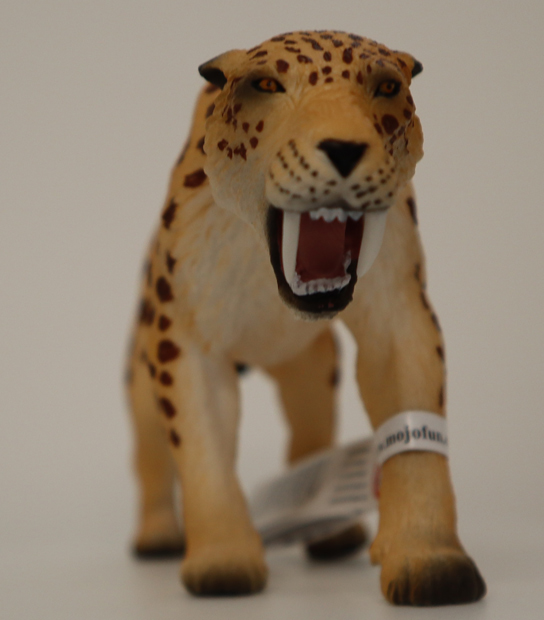
The Mojo Prehistoric Life Smilodon is in stock at Everything Dinosaur. This new sabre-toothed cat model is the only prehistoric animal figure being added to the Mojo Fun prehistoric animal model range for 2021.

Mojo Prehistoric Life Smilodon
Mojo Prehistoric Life Smilodon (sabre-toothed cat).  Picture credit: Everything Dinosaur.

Picture credit: Everything Dinosaur

A New Model of “Knife Tooth”

Mojo has had a long history of producing sabre-toothed cat figures. Almost ever since a prehistoric animal range was conceived, a Smilodon figure has been part of the range. In 2017, Mojo added an updated version to their product portfolio and now there is a new sculpt depicting this iconic cat.

A spokesperson from Everything Dinosaur confirmed that at this stage, no information about the continued production of the 2017 Smilodon model had been released, although it had been speculated that the addition of a 2021 figure might lead to the retirement of the 2017 Smilodon model.

The Smilodon genus was first established by the Danish palaeontologist and naturalist Peter Wilhelm Lund in 1842 following the study of fossil material from Brazil. The genus name means “knife tooth” a reference to the animal’s oversized and exceptionally long upper canine teeth, that in some specimens of Smilodon populator reach 28 cm in length.

Mojo Smilodon prehistoric animal figure
The Mojo Smilodon model is a replica of a sabre-toothed cat. The Smilodon model measures approximately 13 cm long.  Picture credit: Everything Dinosaur.

Picture credit: Everything Dinosaur

Everything Dinosaur Supplies Photography

The original images of this new model supplied by Mojo did not reflect the actual colour scheme of the figure. Team members at Everything Dinosaur took their own images of the new for 2021 Smilodon figure as they did not want the official images to mislead model collectors.

Mojo Prehistoric Life Smilodon
The new for 2021 Mojo Smilodon model is in stock at Everything Dinosaur.  Picture credit: Everything Dinosaur.

Picture credit: Everything Dinosaur

The Everything Dinosaur website: Prehistoric Animal Toys and Models.

Mojo Prehistoric Life Smilodon – Original Images

The original studio image for the new Mojo Prehistoric Life Smilodon showed a figure with a much lighter, paler colouration and more muted spotting. The side of each ear was also painted white. The sclera of the eye in the studio images is a pale yellow, whilst the production model has an amber-coloured sclera. The actual colour scheme on the model is much bolder with the spotted patterning of the figure much more pronounced. The sides of the ears are painted black.

Mojo prehistoric life
One of the original catalogue images of the Mojo Prehistoric Life Smilodon model. The actual production model colour scheme differed from the promotional stills.

A spokesperson from Everything Dinosaur commented:

“We had been alerted by Mojo that the actual model had a different colour scheme to their studio images. We decided that it would be best to show the model rather than to rely on the studio shots as we did not want to confuse customers. It is our understanding that Mojo will commission new model photography in the near future and replace their original images with more accurate photographs of the Mojo Prehistoric Life Smilodon.”

To view the new Mojo Smilodon model and to see the rest of the figures available from Everything Dinosaur in this model range: Mojo Prehistoric Life Models and Figures.

4 09, 2021

Beasts of the Mesozoic Xenoceratops

By |2024-07-02T07:04:13+01:00September 4th, 2021|Categories: Adobe CS5, Dinosaur Fans, Everything Dinosaur Products, Main Page, Photos of Everything Dinosaur Products|0 Comments

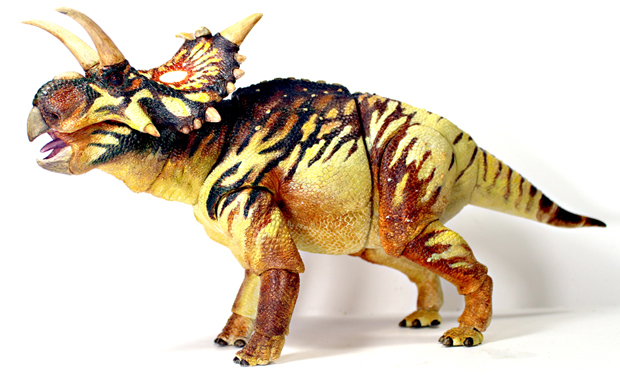
Today, we feature an image of one of the forthcoming Wave 3 Ceratopsians in the fabulous Beasts of the Mesozoic model series. The image shows the magnificent Xenoceratops (X. foremostensis), a Canadian centrosaurine ceratopsid that was formally named and described back in 2012.

Beasts of the Mesozoic Xenoceratops
The Beasts of the Mesozoic Xenoceratops (background shot) a magnificent articulated dinosaur model in 1:18 scale.

“Alien Horned Face”

Fossils collected in south-western Alberta, close to the small community of Foremost, back in 1958 had been held in storage for decades. The fossils represented skeletal material from at least three individual animals. The scientific paper describing this new horned dinosaur, the first member of the Ceratopsia to be described from material associated with the Foremost Formation, was published in the Canadian Journal of Earth Sciences on the 8th of November 2012.

The genus name translates as “alien horned face”. A common misconception is that this dinosaur was named due to the “alien-looking” arrangement of horns on its head. Xenoceratops certainly had some very impressive ornamentation, including two large horns above its eyes. It may have had a nose horn too, but in the stunning Beasts of the Mesozoic model, the sculpting team have decided to give their Xenoceratops a prominent boss, on the naris, rather than a nose horn.

Beasts of the Mesozoic Xenoceratops

The “alien” reference is a reflection of the limited vertebrate fossil material collected from the Foremost Formation. In comparison to other Upper Cretaceous rocks in North America, the sandstones, shales, mudstones and coal deposits of the Foremost Formation have yielded very few dinosaur specimens and what has been found is extremely fragmentary. Xenoceratops was regarded as “alien” by the scientific team describing this plant-eating dinosaur, as it was quite a surprise to find a ceratopsid.

To read Everything Dinosaur’s article from 2012 about the discovery of this new Canadian ceratopsid: New Horned Dinosaur from Alberta.

Xenoceratops foremostensis
The Beasts of the Mesozoic 1/18th scale figure – Xenoceratops foremostensis. An articulated horned dinosaur model.

A spokesperson from Everything Dinosaur commented that the Xenoceratops model, along with the other Wave 3 ceratopsians in the Beasts of the Mesozoic series would be in stock before Christmas (2021).

To see the current range of Beasts of the Mesozoic articulated dinosaur models: Beasts of the Mesozoic.

3 09, 2021

New Rebor Smilodon Models

By |2024-07-02T07:01:26+01:00September 3rd, 2021|Categories: Adobe CS5, Dinosaur Fans, Everything Dinosaur News and Updates, Everything Dinosaur Products, Main Page, Photos of Everything Dinosaur Products, Press Releases|1 Comment

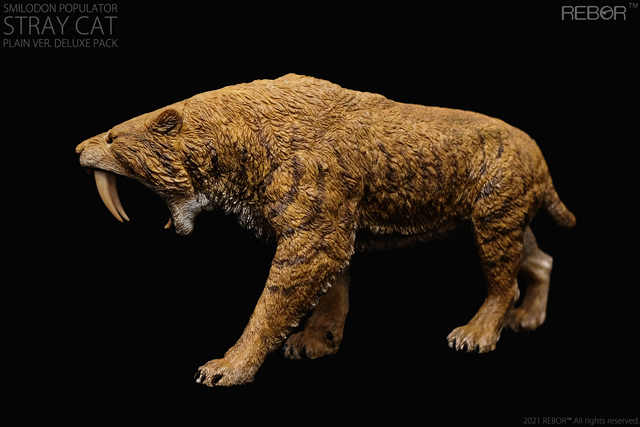
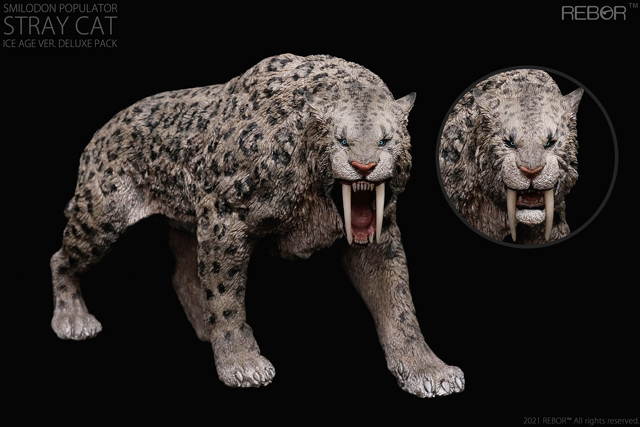
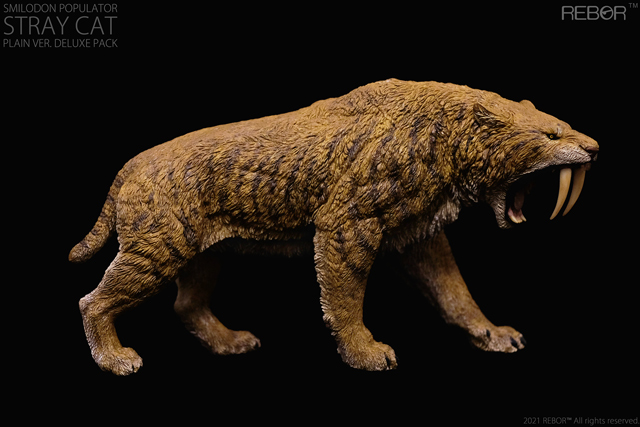
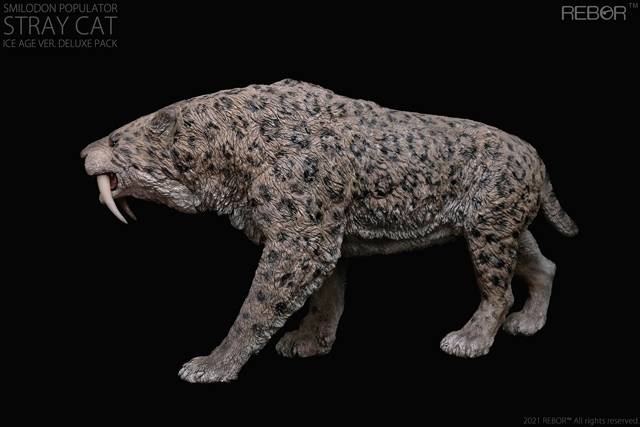
Everything Dinosaur has opened a waitlist for the two new Rebor Smilodon models (plain and ice age colour variants). These exciting new Rebor models depicting Sabre-toothed cats are likely to be in stock at Everything Dinosaur in mid-December or thereabouts and collectors can join a waitlist on the company’s website so that they can get a priority email alert when these Smilodon replicas arrive.

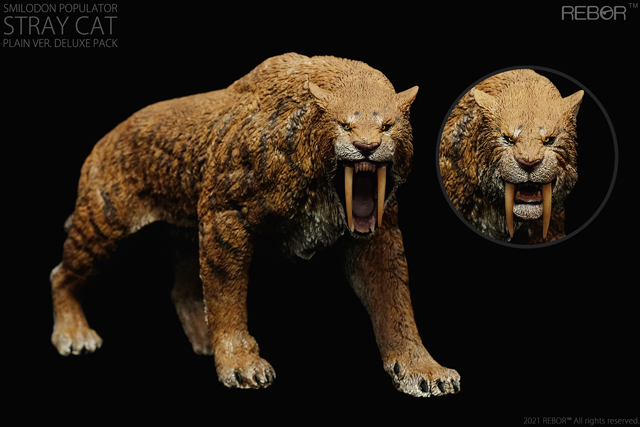
Rebor Smilodon populator Museum Class Replica Deluxe Pack Stray Cat Plain
The Rebor Smilodon populator Museum Class Replica Deluxe Pack Stray Cat Plain comes with two interchangeable heads so collectors can display this 1:11 scale model with either its mouth open or closed.

Smilodon populator Models with Interchangeable Heads

These innovative and cleverly designed models come with two interchangeable heads so that the figures can be displayed with their impressive mouths open or closed.

Smilodon populator is known from the Pleistocene of South America and is regarded as the largest species within the Smilodon genus. With a bodyweight estimated at over 300 kilograms and with a shoulder height of around 1.2 metres, S. populator is one of the largest members of the cat family (Felidae).

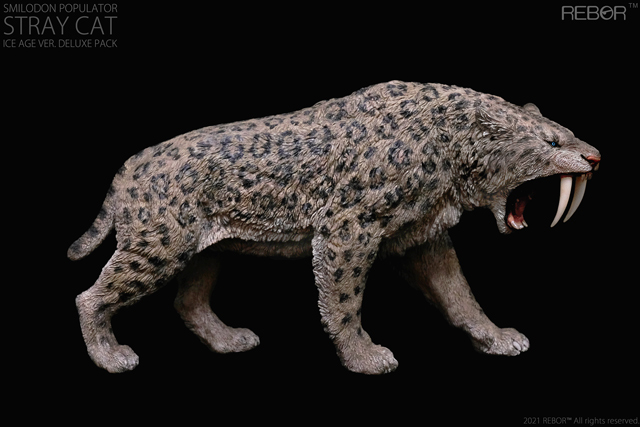
Rebor Smilodon populator Stray Cat Ice Age model
The Rebor Smilodon populator Stray Cat Ice Age colour variant.

To see the range of Rebor models in stock at Everything Dinosaur: Rebor Models.

Choose Your Favourite Stray Cat – Plain or Ice Age?

The models entitled Rebor Smilodon populator Museum Class Replica Deluxe Pack Stray Cat Ice Age and Rebor Smilodon populator Museum Class Replica Deluxe Pack Stray Cat Plain are the same sculpts but they have different colour schemes. The “Ice Age” colour variant (above), has a body patterning reminiscent of a Snow Leopard (Panthera uncia) and the sclera of the eyes is an icy blue colour. In contrast, the Rebor Smilodon populator Museum Class Replica Deluxe Pack Stray Cat Plain, (see below), carries the more traditional tan markings associated with this genus, in keeping with a predator of the open grasslands and scattered woodlands of South America.

Rebor Smilodon populator Museum Class Replica Deluxe Pack Stray Cat Plain
The beautiful Rebor Smilodon populator figure measures around 26.5 cm in length and has a declared scale of 1:11.

Innovative Model Design

A spokesperson from Everything Dinosaur commented:

“These are the first prehistoric mammal models made by Rebor and only their second mammal after their Alpha male Mountain Gorilla replicas. These beautiful Smilodon figures have been cleverly designed. Each model is supplied with two heads so collectors can choose to display their Sabre-toothed cat with the mouth open or with the mouth closed.”

Rebor Smilodon populator Stray Cat Ice Age
The Rebor Smilodon populator Museum Class Replica Deluxe Pack (Ice Age) is so called as the model comes with two interchangeable heads. This stunning Smilodon can be displayed with mouth closed or mouth open.

Waitlist for these Models is Open

Everything Dinosaur expects these models to ship out from the factory sometime in late October and if all goes to plan, these stunning Smilodon figures should be in stock at Everything Dinosaur in December (2021). These models can be found on Everything Dinosaur’s website and collectors can join a waitlist for each figure so that they can receive a priority email alert when the stock arrives.

Rebor Smilodon populator Stray Cat Plain
The Rebor Smilodon populator Museum Class Replica Deluxe Pack Stray Cat Plain displayed with its mouth open.
Rebor Smilodon populator Stray Cat Ice Age
The Rebor Smilodon populator Stray Cat Ice Age model shown with its mouth closed.

Both the Rebor Smilodon populator Museum Class Replica Deluxe Pack Stray Cat Plain and the Rebor Smilodon populator Museum Class Replica Deluxe Pack Stray Cat Ice Age models can be found on the Rebor section of Everything Dinosaur’s award-winning website and collectors and Rebor fans have the chance to join a waitlist for each figure.

To enquire about reserving any Rebor models, contact Everything Dinosaur: Email Everything Dinosaur.

Rebor Smilodon populator Stray Cat Plain waitlist is here: Rebor Models and Figures.

Rebor Smilodon populator Stray Cat Ice Age waitlist is here: Rebor Smilodon populator Stray Cat – Ice Age.

Here are a couple of “Stray Cats” collectors and fans of the Rebor model range won’t mind bringing home.

The award-winning Everything Dinosaur website: Prehistoric Animal Models.

2 09, 2021

Dinosaurs – New Visions of a Lost World

By |2024-07-02T06:54:11+01:00September 2nd, 2021|Categories: Book Reviews, Dinosaur Fans, Main Page, Photos|0 Comments

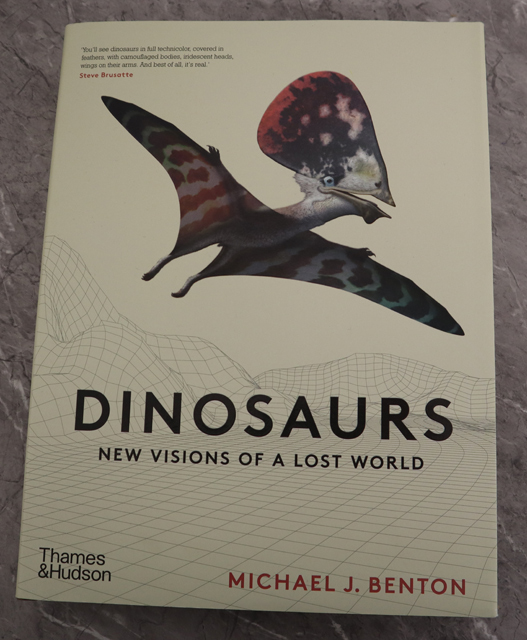
Everything Dinosaur team members were sent a copy of a new dinosaur book that is due to be published this autumn. The book entitled “Dinosaurs – New Visions of a Lost World” is written by Professor Michael Benton of the School of Earth Sciences at the University of Bristol, a highly respected palaeontologist and author of numerous books about prehistoric animals.

There are over 150 full colour illustrations, including beautiful artwork from renowned palaeoartist Bob Nicholls.

Dinosaurs - Visions of a Lost World book
Everything Dinosaur has received an inspection copy of a new book written by Professor Michael J. Benton and illustrated by Bob Nicholls. Picture credit: Everything Dinosaur.

Picture credit: Everything Dinosaur

Changing Perceptions About the Dinosauria

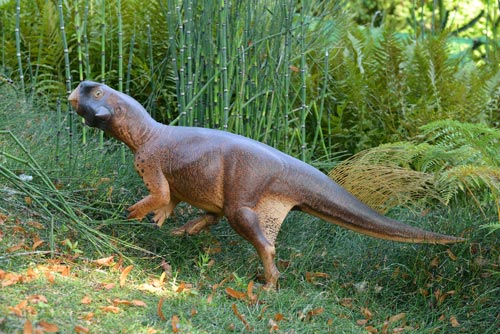
This stunning publication aims to change perceptions about the Dinosauria. Each chapter focuses on a different prehistoric animal. The book should perhaps be called “Prehistoric Animals – New Visions of a Lost World”. There are many dinosaurs featured – Sinosauropteryx, Anchiornis, Psittacosaurus, Edmontosaurus, however, the book also features the marine reptile Stenopterygius, the Early Cretaceous mammal Eomaia and the spectacular pterosaur Tupandactylus.

Psittacosaurus model in the Bristol Botanic Garden.
Psittacosaurus photographed in the Bristol Botanic Garden. The model was created by Bob Nicholls who is responsible for the majority of the illustrations in the book “Dinosaurs – New Visions of a Lost World”. Picture credit: Jakob Vinther.

Looking Forward to Reviewing “Dinosaurs – New Visions of a Lost World”

Professor Benton examines some of the technological breakthroughs that have shed new light on the world of the dinosaurs. He demonstrates how rapid advances in technology and astonishing new fossil finds have changed our understanding about the Dinosauria. Team members are looking forward to providing a detailed review of this cleverly conceived publication.

A spokesperson from Everything Dinosaur stated:

We have been looking forward to getting hold of a copy of this book, each chapter examines one particular genus of prehistoric animal and includes a specially commissioned illustration from Bob Nicholls. Professor Benton’s text and the illustrations by Bob Nicholls are a winning combination.”

Visit the user-friendly Everything Dinosaur website: Everything Dinosaur.

1 09, 2021

Exclusive T. rex Secret Science Symposium

By |2024-07-02T06:52:00+01:00September 1st, 2021|Categories: Dinosaur Fans, Educational Activities, Main Page, Teaching|0 Comments

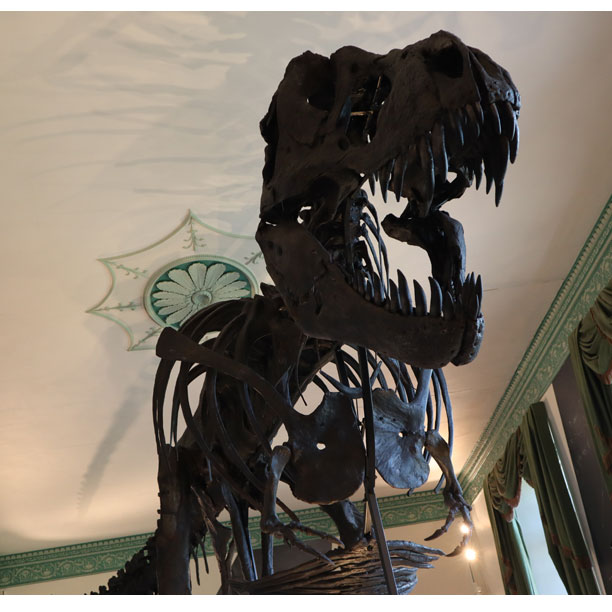
Wollaton Hall’s resident T. rex will provide the impressive backdrop to a trio of exclusive palaeontology themed workshops taking place on Saturday 25th September (2021). Organised as part of the “Titus: T. rex is King” exhibition that Everything Dinosaur team members were lucky enough to visit back in July, ticket holders will be able to meet experts and get access to presentations and workshops and participate in a private guided tour of the giant Tyrannosaurus rex exhibit led by Nottingham’s resident T. rex expert Martin Nunn.

Titus the T.rex exhibit
The spectacular Titus the T. rex exhibit at Wollaton Hall. On Saturday 25th September (2021), three interactive science workshops will be delivered by a panel of experts specially assembled to mark the first time in a hundred years that real T. rex fossils have been put on display in England.  Picture credit: Everything Dinosaur.

Picture credit: Everything Dinosaur

Limited Numbers of Tickets Available for the Secret Science Symposium

The Prehistoric Secret Science Show for European Researchers’ Night is open to adults and children (over the age of ten) and numbers will be limited. The workshops will run from 2pm until 6.30pm and they have been designed to offer the opportunity for those eager to learn more about prehistoric life to delve deeper into the research that is currently taking place.

Organisers of the “Titus: T. rex is King” exhibition report that the exhibition has been very popular over the summer with ticket sales for the rest of the year continuing to exceed expectations. Such is the level of interest in dinosaurs and prehistoric animals that the Wollaton Hall staff in collaboration with academics and researchers based in the Midlands, wanted to do more to help inspire and educate the next generation of scientists.

Speakers at this secret science symposium will include marine reptile expert and author Dr Adam Smith, pterosaur aficionado and palaeobiologist Dr Jordan Bestwick (University of Birmingham), along with Nottingham University’s Dr Susannah Lydon, (Assistant Professor in Plant Science) who will deliver a presentation entitled “Plants from the Time of T. rex”.

Titus: T. rex is King
If you are in the dark about the latest research on the Dinosauria, the workshops will shed light on some of the ground-breaking studies currently being undertaken.

A Packed Programme

The packed programme will include:

  • “Prehistoric animals and what is swimming now” by Dr Tom Hartman, Programme Chair of the Masters in Biological Photography and Imaging and Tim Sexton, Species and Recording Officer from Rutland Water Nature Reserve.
  • Palaeoartist Jed Taylor, will be running a T. rex palaeoart workshop – how to create dinosaur illustrations with the help of the latest scientific knowledge.
  • “Plants from the time of T. rex” by palaeobotanist Dr Susannah Lydon, Assistant Professor in Plant Science at the University of Nottingham.
  • A presentation from palaeontologist Dr Adam Smith and author Jonathan Emmett, who will be discussing their latest foray into the world of children’s books – “The Plesiosaur’s Neck”.
  • A talk by Dr Barry Lomax (Nottingham University), an expert on how our planet’s climate has changed over Deep Time.
  • A presentation from palaeobiologist Dr Jordan Bestwick.

Nottingham City Council’s Portfolio Holder for Leisure and Culture, Councillor Eunice Campbell-Clark, commented:

“We are thrilled that the Titus: T. rex is King has been so successful that it has enabled the Nottingham City Museums to create a symposium in September, offering expert talks and workshops in palaeontology. Witnessing Titus the T. rex and hearing from specialists will be a unique experience allowing visitors for Nottingham and beyond to delve into the world of a T. rex and discover palaeontology.”

Event Details

The Prehistoric Secret Science Show for European Researchers’ Night.
Saturday September 25th, 2:00pm – 6:30pm.
Ticket Price is £25.00 for an adult which includes a guidebook and bag, and £18.00 for a child which includes a pencil case and bag (plus booking fee).

Please note – this event is now closed.

For further information about the Everything Dinosaur website: Dinosaur Toys and Models.

31 08, 2021

The Beautiful Red Wharf Bay – Anglesey

By |2024-05-28T15:06:28+01:00August 31st, 2021|Categories: Geology, Main Page, Photos/Pictures of Fossils|0 Comments

The picturesque Red Wharf Bay on the eastern coast of the isle of Anglesey is often visited by geology students. The rocks surrounding the bay provide evidence of changing sea levels from the Carboniferous. Rounded pebbles part of the way up one of the cliffs provide evidence of a much more recent change in sea level. The weather-worn and eroded rocks represent a raised beach, geological proof of sea levels being much higher during interglacial intervals (Pleistocene Epoch).

The views are fairly spectacular too.

Red Wharf Bay - Anglesey
Red Wharf Bay on the east coast of Anglesey is a popular location for geology students, it has stunning views too.  Picture credit: Everything Dinosaur.

Picture credit: Everything Dinosaur

Carboniferous Limestones

The limestones that make up the cliffs were deposited around 330 million years ago during the Serpukhovian stage (the youngest stage of the Mississippian, the lower subsystem of the Carboniferous). The area is dominated by the huge Castell Mawr (Castle Rock), the limestone was quarried for many years, but all quarrying has been abandoned and the area is now a haven for nesting seabirds.

The bay attracts a variety of birds, as well as the ubiquitous gulls, many different types of wading bird can be found in this area including oystercatchers, sandpipers and curlews. Occasionally, visitors to this part of Anglesey can be treated to a view of a Little Egret (Egretta garzetta) hunting for fish as the tide comes in.

This area of outstanding natural beauty is famous for its geology, the limestone was formed in a shallow, tropical sea, but the presence of sandstone indicates that the sea retreated and the sandstones represent estuarine and river channels that criss-crossed the area, with the sand infilling the limestone as it was partially dissolved away.

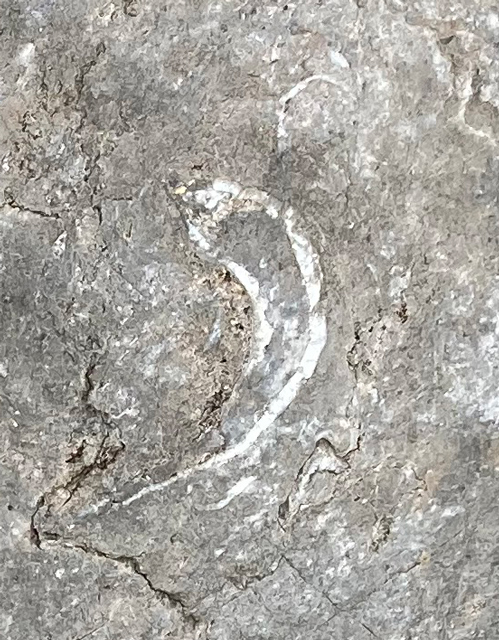
Fossils can be found, but they are relatively rare. Brachiopod traces can be seen in the limestone rocks that litter the beach, a testament to the rich marine life that thrived in this area during the Carboniferous.

Carboniferous brachiopods.
Brachiopod fossils can be seen in the limestone rocks as you walk along the coast from Red Wharf Bay to the village of Benllech.  Picture credit: Everything Dinosaur.

Picture credit: Everything Dinosaur

Occasional Corals Found in Pebbles

Walkers, if they descend onto the beaches from the Welsh Coastal Path can find the occasional fossil of colonial corals in pebbles scattered along the beach. They are rare and difficult to differentiate from the limestones and other material on dry, sunny days, but with patience the fossil collector can be rewarded with some finds, albeit highly eroded specimens.

Pebble containing coral fossils.
Occasionally weathered pebbles containing colonial coral remains can be found.  Picture credit: Everything Dinosaur.

Picture credit: Everything Dinosaur

Whilst sunny weather can never be guaranteed in North Wales, Red Wharf Bay is a family friendly beach close to beautiful countryside with stunning views which even on Bank Holidays is never overcrowded. It also provides the opportunity to spot a fossil or two.

Carboniferous fossil Red Wharf Bay
The fossilised remains of a Carboniferous brachiopod from Red Wharf Bay.  Picture credit: Everything Dinosaur.

Picture credit: Everything Dinosaur

Visit the award-winning Everything Dinosaur website: Prehistoric Animal and Dinosaur Models.

30 08, 2021

African Plesiosaurs – Highlighting New Research

By |2024-05-28T14:57:32+01:00August 30th, 2021|Categories: Adobe CS5, Dinosaur and Prehistoric Animal News Stories, Dinosaur Fans, Main Page, Palaeontological articles, Photos of Everything Dinosaur Products|0 Comments

Earlier this week, we posted up an article summarising the newly published research into an exquisitely preserved skull of an elasmosaurid plesiosaur from Angola. The African marine reptile is Cardiocorax mukulu, which had been formally named and described from post-cranial material found just 250 metres away from where the skull and other associated bones that were the subject of the scientific paper we reported upon, were discovered.

To read our article on the skull of Cardiocorax: Getting Inside the Head of a Plesiosaur.

How Many African Plesiosaurs?

Whilst reading the paper (Marx et al 2020), it was stated that currently, six valid plesiosaurian taxa have been named and identified from the continent of Africa. This surprised Everything Dinosaur team members, only six valid plesiosaurian taxa known from the whole of Africa? This suggests that more plesiosaur genera are known from southern England than from the whole of the African continent. We are no experts, but we thought we would have a dig into our database to see if we could identify the six valid taxa mentioned in the scientific paper.

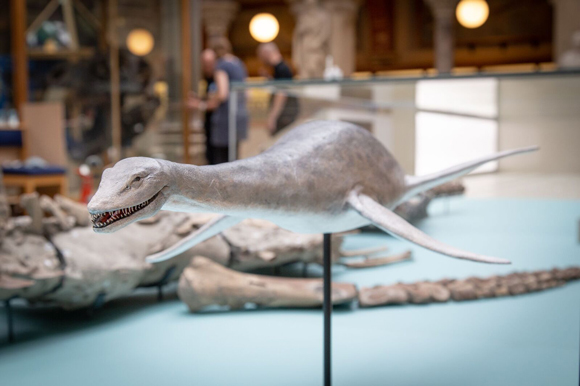
Oxford University Museum of Natural History plesiosaur.
A replica of a long-necked plesiosaur swims into view. It is surprising that so few members of the Plesiosauria clade are known from Africa.  Picture credit: Everything Dinosaur.

Picture credit: Everything Dinosaur

Plesiosaurs – A Very Ancient but Diverse Group of Marine Reptiles

Plesiosaur fossils have been found on every continent and this marine reptile clade is represented by a fossil record that extends for over 130 million years, with the first plesiosaurs probably evolved in the Late Triassic and they survived until the end of the Cretaceous, becoming extinct at the same time as the terrestrial non-avian dinosaurs. This diverse clade can be split into two distinct body types:

  • Plesiosauromorph – long necks and small heads such as the elasmosaurid Cardiocorax.
  • Pliosauromorph – short necks and large heads typical of apex predators such as Liopleurodon.
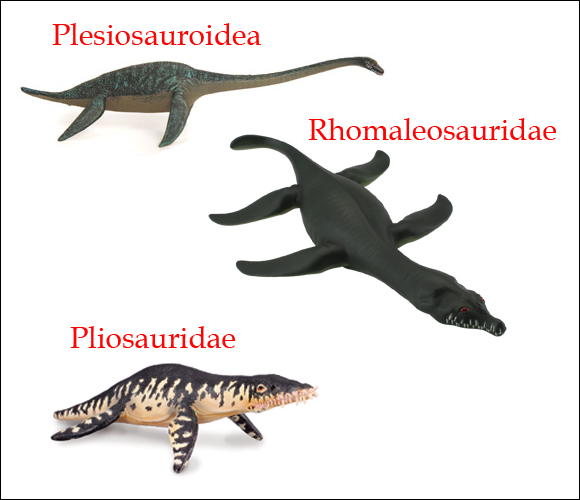
The Plesiosauroidea illustrated
The three groups that make up the Plesiosauroidea. It used to be thought that the Plesiosauroidea consisted of long-necked forms, whilst the Pliosauridae was made up of the short-necked forms with large heads, but palaeontologists now realise this was an oversimplification of plesiosaur taxonomy. The Rhomaleosauridae evolved during the Early Jurassic, they are related to the pliosaur lineage within the Plesiosauria clade.  Picture credit: Everything Dinosaur.

Picture credit: Everything Dinosaur

The prehistoric animals in the image (above) are from the CollectA range.

To view the CollectA Prehistoric Life model range: CollectA Prehistoric Life Dinosaur Models and Toys.

Listing the African Plesiosaurs We Know

Looking at our extensive database we were able to list the following African plesiosaurs:

  • Cardiocorax mukulu – Late Cretaceous (Angola), approximately 71.5 million years ago, named and described in 2015.
  • An unnamed aristonectine elasmosaurid plesiosaur coeval to Cardiocorax.
  • Thililua longicollis – Late Cretaceous (Morocco), a polycotylid plesiosaur dating from approximately 93-92 million years ago, named and described in 2003.
  • Manemergus anguirostris – Late Cretaceous (Morocco), another polycotylid plesiosaur dating from approximately 93-92 million years ago which was named and described in 2005.
  • Leptocleidus capenensis – Early Cretaceous of South Africa, formerly known as Plesiosaurus capensis dating from 139-132 million years ago.
  • Zarafasaura oceanis – Late Cretaceous (Morocco), an elasmosaurid and the geologically youngest plesiosaur known from Africa (Late Maastrichtian – around 67- 66 million years ago).
  • Brachauchenius lucasi (Turonian of Morocco), described in 2015, a pliosaurid from 93-92 million years ago. This genus is most closely associated with the Western Interior Seaway of North America.
  • Libonectes morgani – Late Cretaceous (Morocco), formerly known as Libonectes atlasense, an elasmosaurid dating from 93-92 million years ago. Just like B. lucasi, fossils of this marine reptile are closely associated with North America.

Numerous fragmentary bones, isolated teeth and such like have been found in Africa that purport to represent plesiosaurs, but these are the valid taxa that we could retrieve from our database.

We have probably missed a few, no doubt our well-educated readers will be able to give us a steer.

Visit the Everything Dinosaur website for prehistoric animal models and figures: Prehistoric Animal Models and Figures.

29 08, 2021

Supply Chain Problems Going to Get Worse

By |2024-05-28T14:51:21+01:00August 29th, 2021|Categories: Dinosaur Fans, Everything Dinosaur News and Updates, Main Page, Press Releases|0 Comments

Many retailers are already warning customers that manufacturing and supply chain difficulties are going to lead to product shortages in the Christmas sales period. For dinosaur model fans and collectors, a number of prehistoric animal model ranges are going to be in short supply as the impact of COVID-19 is felt around the world.

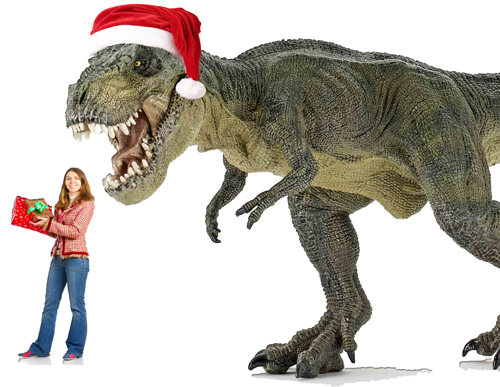
A stress free time shopping for dinosaur themed gifts.
Supply chain problems and raw material shortages are likely to severely disrupt the vital Christmas sales period for retailers. Collectors of dinosaur models are likely to find many ranges have limited availability.  Picture credit: Everything Dinosaur.

Picture credit: Everything Dinosaur

A Global Problem

Dinosaur fans and model collectors have already encountered difficulties in obtaining some of their favourite brands. Production schedules at factories based in the Far East have been severely disrupted due to the global pandemic and problems have been exacerbated by shortages of containers to bring goods from Asia into America, Europe and the UK. Many new for 2021 figures such as the CollectA and Papo models have yet to reach outlets and numerous production plans have had to be postponed or rescheduled.

Shipping costs as well as the cost of raw materials have increased rapidly, so dinosaur models and toys, like many retail items are going to be more expensive and higher prices are going to be seen leading up to Christmas and beyond.

Gary Grant, the chairman of The Entertainer chain of toy stores, has been widely reported stating:

“What is unique to us is that Christmas is a fixed date, so we are under extreme pressure at the moment to move as much stock as we can, but are significantly behind with the shipment of products.”

A Shortage of Cardboard

As well as having to cope with a near doubling of shipping costs, Everything Dinosaur, like all mail order companies has had difficulties obtaining cardboard and other packing materials. The company uses double walled cardboard for their parcels, these are stronger and help to protect the items inside the parcel from damage. Everything Dinosaur has committed to using 100% recycled cardboard as part of their environmental policy and sourcing recycled cardboard has proved challenging with a global shortage of this material.

A spokesperson from Everything Dinosaur commented:

“The current supply problems are likely to get worse as we go into quarter 4 of the trading year, this is historically the busiest time of year for retailers as Christmas approaches. Difficulties with the supply of goods will also be compounded by shortages of cardboard and other packing materials that will affect mail order companies.”

Longer Delivery Times for Parcels

The limited number of flights has restricted the movement of parcels. Many courier companies report a shortage of lorry drivers and remain understaffed due to team members having to self-isolate due to COVID-19. It is likely that Christmas parcels will take longer to be delivered.

One thing customers can do to avoid disappointment is to shop early to ensure that parcels can be sent out in plenty of time.

Royal Mail parcels being sorted.
Parcel deliveries are likely to take longer in the run up to Christmas 2021. Everything Dinosaur advises customers to shop early to avoid disappointment.

The spokesperson from Everything Dinosaur added:

“We are doing all we can to help our customers and we continue to work seven days a week to ensure we can support our customer base. Product shipments continue to face delays and we think the situation will get worse as demand for containers increases in the run up to Christmas. We have done all we can to ensure that we have stock of parcel packaging and we have set up new delivery routes into our UK warehouse to help alleviate some of the logistical problems. Our advice is to shop early and to be prepared for product shortages.”

The Everything Dinosaur website: Dinosaur Figures and Prehistoric Animal Models.

28 08, 2021

Solving the Picture Puzzle – Torosaurus

By |2024-05-28T14:43:16+01:00August 28th, 2021|Categories: Adobe CS5, Dinosaur and Prehistoric Animal Drawings, Dinosaur Fans, Main Page|0 Comments

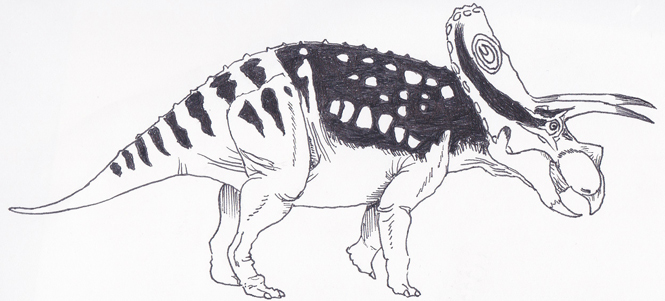
A few days ago, team members at Everything Dinosaur posted up a picture of a recently commissioned dinosaur drawing and challenged our blog readers and social media followers to identify the species illustrated. Sure enough, these knowledgeable collectors of prehistoric animals were quickly able to identify Torosaurus (T. latus).

Dinosaur drawing commissioned by Everything Dinosaur.
Everything Dinosaur set a challenge, could you identify the dinosaur species illustrated in their recently commissioned drawing? Picture credit: Everything Dinosaur.

Picture credit: Everything Dinosaur

Beasts of the Mesozoic Torosaurus Dinosaur Model

The drawing of Torosaurus was commissioned in preparation for the arrival this autumn of the Beasts of the Mesozoic Wave 3 ceratopsians, seven new, articulated horned dinosaur models including a Torosaurus replica. The drawing (above), was inspired by the photograph of the Torosaurus shown below.

Beasts of the Mesozoic Torosaurus.
The Beasts of the Mesozoic Torosaurus dinosaur model with its striking blue colour scheme. A fantastic dinosaur model part of the Wave 3 ceratopsians series.

The Wave 3 ceratopsians (Albertaceratops, Pentaceratops, Sinoceratops, adult Triceratops, Utahceratops, Xenoceratops and the Torosaurus model), are due to be shipped from the factory in September (September 2021). It is difficult to predict when these figures will be in stock at Everything Dinosaur, but they could be available sometime after the middle of October. Team members will do all they can to expediate delivery into their UK warehouse.

Beasts of the Mesozoic Torosaurus in anterior view
The target spots on the headshield of the Beasts of the Mesozoic Torosaurus dinosaur model can be clearly seen in this image.

Visit the award-winning Everything Dinosaur website: Everything Dinosaur.

A spokesperson from Everything Dinosaur commented:

“We like to set little puzzles and quizzes on our Instagram, Facebook and other social media pages. We thought that our picture puzzle would prove a bit of a challenge, but once again, our fans and followers have demonstrated their in-depth knowledge of prehistoric animals as well as dinosaur models and figures. Not only did respondents correctly identify Torosaurus latus but they recognised that our illustration had been inspired by the Beasts of the Mesozoic Torosaurus model. Perhaps it was the prominent target spots on the headshield that gave the game away.”

Torosaurus Model Measurements

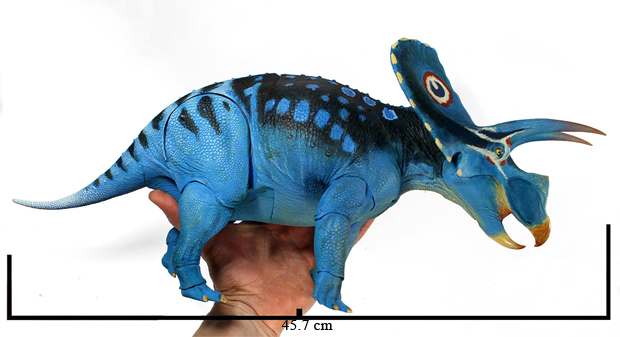
The Beasts of the Mesozoic Torosaurus is a huge model! It is considerably bigger than both the Pachyrhinosaurus lakustai and the Centrosaurus apertus figures that were introduced earlier. The articulated Torosaurus measures nearly 46 cm in length. The dinosaur model has a declared scale of 1:18.

Beasts of the Mesozoic Torosaurus model measurements.
The Beasts of the Mesozoic Torosaurus (T. latus) dinosaur model measures nearly 46 cm long.

The spokesperson from Everything Dinosaur added:

“The Torosaurus and the adult Triceratops figures are the largest horned dinosaur models in the Beasts of the Mesozoic model range. These two figures and the other models in Wave 3 are going to make a big splash when they touch down at Everything Dinosaur’s warehouse.”

Beasts of the Mesozoic Torosaurus dinosaur model.
The stunning Beasts of the Mesozoic Torosaurus (T. latus) articulated dinosaur model.

To view the range of Beasts of the Mesozoic models currently in stock at Everything Dinosaur: Beasts of the Mesozoic.

Go to Top