All about dinosaurs, fossils and prehistoric animals by Everything Dinosaur team members.

Articles, features and information which have slightly more scientific content with an emphasis on palaeontology, such as updates on academic papers, published papers etc.

26 10, 2024

A New “Silesaurid” – Gondwanax paraisensis Shedding Light on Dinosaur Origins

By |2024-10-27T08:46:17+00:00October 26th, 2024|Categories: Palaeontological articles|0 Comments

Researchers have named and described one of the oldest dinosauromorphs known to date.  This new archosaur has been named Gondwanax paraisensis and it has been classified as a silesaurid. Controversies remain over the phylogenetic position of the Silesauridae.  They are members of the Archosauria clade but are they a sister-group to the Dinosauria or early ornithischian dinosaurs?  Silesaurid fossils are crucial for comprehending the origins and early evolution of the dinosaurs. The fossils of Gondwanax reveal a suite of characteristics that can help palaeontologists to better understand the rise of the Dinosauria.

A life reconstruction of Gondwanax paraisensis.

A life reconstruction of Gondwanax paraisensis. Picture credit: Matheus Fernandes Gadelha.

Picture credit: Matheus Fernandes Gadelha

Gondwanax paraisensis

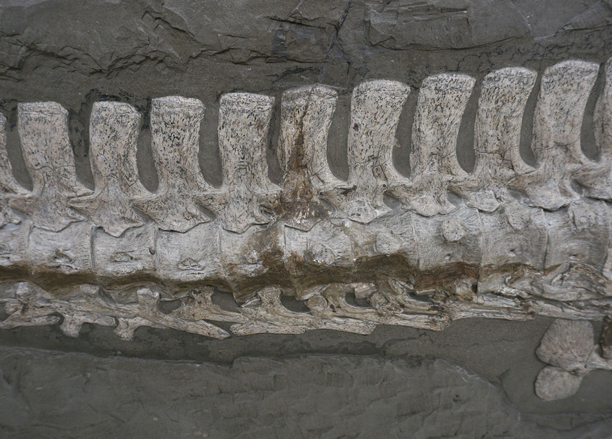
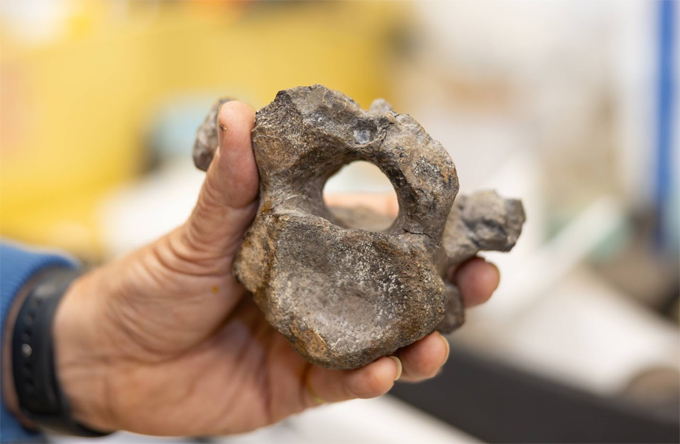
The fossilised remains were excavated from the Dinodontosaurus Assemblage Zone of the Santa Maria Formation (Ladinian-Carnian boundary).  The fossils are thought to be around 237 million years old. Basal silesaurids have two sacral vertebrae. However, Gondwanax had three. This is the oldest occurrence of this characteristic in the fossil record. Having at least three sacral vertebrae is a defining anatomical trait of dinosaurs.

Vertebra of Gondwanax paraisensis.

A close view of one of the vertebrae of G. paraisensis. Picture credit: Rodrigo Temp Müller.

Picture credit: Rodrigo Temp Müller

The Santa Maria Formation is found in the Rio Grande do Sul region of southern Brazil. The strata represent sediments laid down in the Middle and Upper Triassic. It preserves a remarkable vertebrate fauna including cynodonts, early dinosaurs, dinosauromorphs and rauisuchians.  The Dinodontosaurus Assemblage Zone is named after the dicynodont Dinodontosaurus, which is particularly abundant.

To read more about fossil discoveries from the Dinodontosaurus Assemblage Zone: One of the Oldest Dinosauromorphs.

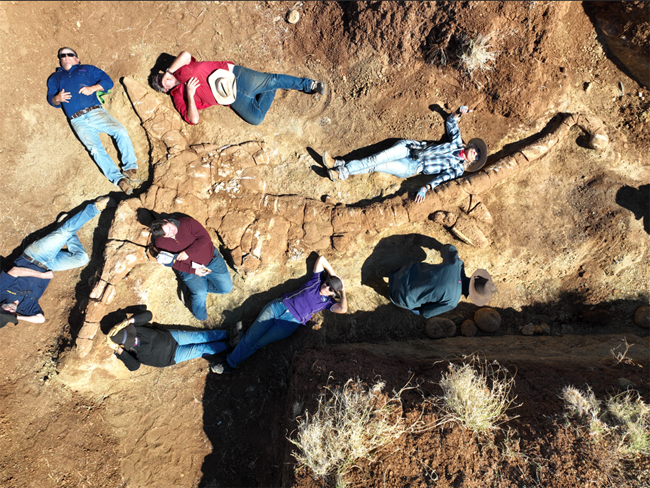
A view of the Gondwanax fossil site.

A view of the fossil site location. The strata here is part of the Dinodontosaurus Assemblage Zone (AZ) of the Santa Maria Formation. Picture credit: Rodrigo Temp Müller.

Picture credit: Rodrigo Temp Müller

An Agile and Lightweight Animal

The researchers estimate that Gondwanax was a fast-running, agile animal. It measured around a metre in length and would have weighed between three and six kilograms.  The absence of any skull material has prevented the scientists from commenting on its diet, but it was much smaller than many of its contemporaries.  For example, the apex predator in the ecosystem was probably Prestosuchus chiniquensis. Now tentatively assigned to the Rauisuchia, P. chiniquensis measured nearly seven metres long. Gondwanax probably used its speed and agility to avoid the jaws of Prestosuchus.

Prestosuchus model.

The Wild Safari Prehistoric World Prestosuchus model.

The picture (above) shows a model of the fearsome Triassic predator Prestosuchus.  This figure is one of the prehistoric animals featured in the Wild Safari Prehistoric World range.

To view this range of models: Wild Safari Prehistoric World Models.

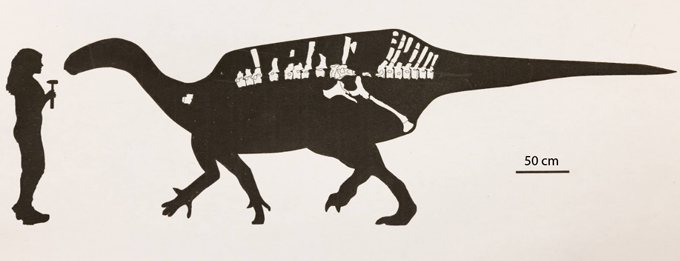
Details of Gondwanax paraisensi.

A life reconstruction of Gondwanax paraisensis (see human silhouette for scale). In addition, a skeleton reconstruction shown in lateral view (scale bar equals 50 cm) and a world map showing the approximate location of the fossil discovery. Picture credit: Matheus Fernandes Gadelha.

Picture credit: Matheus Fernandes Gadelha

Evidence of a Fourth Trochanter

The researchers are uncertain as to whether the disarticulated bones represent one animal or several individuals. The femur did reveal the presence of a fourth trochanter.  This is a knob-like protrusion located on the shaft of the femur that acted as an anchor point for muscles that helped to pull the hind leg backwards.  It is thought that the evolution of this feature on the thigh bone permitted members of the Dinosauria to develop a bipedal gait.

The author of the scientific paper, Dr Rodrigo Temp Müller commented that these anatomical features probably permitted Gondwanax to move around much more efficiently than other reptiles within the ecosystem.  The evolution of an efficient, upright gait might be one of the reasons for the eventual success and domination of the Dinosauria.

The femur (thigh bone) of Gondwanax-paraisensis.

The femur of Gondwanax paraisensis. The thigh bone preserves some signs of a 4th trochanter, which is a common characteristic shared by archosaurs. It is a knob-like process that indicates muscle attachment. The researcher suggests that the presence of this anatomical feature suggests that this silesaurid had “advanced locomotor capability”. Picture credit: Rodrigo Temp Müller.

Picture credit: Rodrigo Temp Müller

Fossil enthusiast Pedro Aurelio stumbled upon remains causing excitement in the scientific community at Paraiso do Sul, a location known for unearthing precursors to mammals and even a miniature crocodile species called Parvosuchus aurelioi. These fossil finds swiftly moved to the research hub at the Universidade Federal de Santa Maria’s Palaeontology Research Centre, where Dr Muller embarked on the delicate process of preparing and examining this piece of prehistoric life and carefully removing the surrounding rock matrix.

Niche Differentiation

Writing in the academic journal “Gondwana Research”, Dr Temp Müller comments that the co-occurrence of Gondwanax paraisensis and a second silesaurid (Gamatavus antiquus) in the same Assemblage Zone represents the oldest evidence of sympatry among “silesaurids” in South America. Two related species living at the same time in the same habitat.  In addition, the unique combination of sacral and hindlimb anatomical traits suggests distinct behaviours for these two species.  This could be an example of niche differentiation within the same ecosystem.

Rodrigo Temp Müller examining fossils of Gondwanax.

Author of the scientific paper Rodrigo Temp Müller examining fossils of Gondwanax. Picture credit: Janaína Brand Dillmann.

Picture credit: Janaína Brand Dillmann

Everything Dinosaur acknowledges the assistance of the author of the scientific paper in the compilation of this article.

The scientific paper: “A new “silesaurid” from the oldest dinosauromorph-bearing beds of South America provides insights into the early evolution of bird-line archosaurs” by Rodrigo Temp Müller published in Gondwana Research.

The award-winning Everything Dinosaur website: Prehistoric Animal Models.

23 10, 2024

The Smallest Non-avian Dinosaur Eggs Described to Date

By |2024-10-24T10:44:49+01:00October 23rd, 2024|Categories: Palaeontological articles|0 Comments

Scientists have described the smallest non-avian dinosaur eggs known to date.  The eggs, the smallest of which measures just 2.9 centimetres in length were probably laid by a small theropod.  The researchers have erected a new ootaxon Minioolithus ganzhouensis. This discovery increases the diversity of dinosaur eggs in the Late Cretaceous and is significant for our understanding of the evolution of theropods.  Everything Dinosaur contacted one of the authors of the scientific paper and we were emailed an image showing this remarkable dinosaur fossil.

Minioolithus ganzhouensis the smallest non-avian dinosaur eggs discovered to date.

Minioolithus ganzhouensis the smallest non-avian dinosaur eggs discovered to date. The fossil which represents a clutch of six, tiny theropod eggs was discovered at a construction site in Ganzhou (south-eastern China). Picture credit: Shukang Zhang (IVPP).

Picture credit: Shukang Zhang (IVPP)

Minioolithus ganzhouensis

The Upper Cretaceous Ganzhou Basin exposures located in Jiangxi Province have yielded exquisite fossils of dinosaur nests, eggs and embryos. Most of these egg fossils represent oviraptorosaurs. However, troodontid, hadrosaur and potential dromaeosaurid egg fossils have also been reported. Scientists have been able to learn about dinosaur nesting and reproductive behaviours. Intriguingly, all the eggs known from these deposits were relatively large. Writing in the academic journal “Historical Biology”, the researchers describe a partial clutch with six complete small eggs. The fossil material comes from the Tangbian Formation and the eggs are thought to be around eighty million years old.

China has provided a wealth of dinosaur egg fossils.  Furthermore, the theropod egg fossils have helped to shed light on the relationship between avian and non-avian dinosaurs.  For example, a remarkable dinosaur egg fossil from southern China demonstrated the “tucking” position in an embryo. This posture is seen in the embryos of modern birds. It is a behaviour controlled by the central nervous system and it is critical for hatching success.

To read more about the remarkable theropod embryo fossil: Exquisitely Preserved Theropod Embryo Found Inside Egg.

Mike from Everything Dinosaur commented:

“This is a remarkable fossil find.  Our thanks to the research team for sharing the image with us.  Discoveries such as this are helping palaeontologists to learn more about the remarkable links between today’s birds and their theropod ancestors.”

Everything Dinosaur acknowledges the assistance of one of the scientific paper’s authors in the compilation of this article.

The scientific paper: “The smallest known complete dinosaur fossil eggs from the Upper Cretaceous of South China” by Rui Wu, Fasheng Lou, Juan Yu, Yu Xue, Shukang Zhang, Ling Yang, Wenjiang Qiu, Huimin Wang and Fenglu Han published in Historical Biology.

The award-winning Everything Dinosaur website: Dinosaur and Prehistoric Animal Models.

14 10, 2024

Arthropleura Fossils Reveal the Face of a Giant Arthropod

By |2024-10-18T05:59:38+01:00October 14th, 2024|Categories: Palaeontological articles|0 Comments

Remarkable Arthropleura fossils from France offer new insights into the life and behaviour of one of the largest invertebrates known to science.  For the first time, scientists have revealed the head of this giant arthropod in detail.  Intriguingly, this study suggests that this Carboniferous creature had characteristics of both millipedes and centipedes.  Arthropleura was a giant arthropod.  For years, palaeontologists had only fragmentary body fossils to study.  It was thought that it was a giant millipede, probably herbivorous, but the absence of any fossil material representing the head had meant that scientists could not be certain about its taxonomy.

The CT analysis of a fossil preserving the head surprised the research team.  The head displays traits similar to early centipedes. This suggests that millipedes and centipedes may be more closely related than previously thought.

Arthropleura CT scan of head.

Arthropleura sp., specimen MNHN.F.SOT002123, details on the ventral sclerites and the feeding apparatus revealed by computer modelling after a CT scan of the fossil. Picture credit: Lhéritier et al.

Picture credit: Lhéritier et al

A Giant Invertebrate

Regarded as one of the largest land invertebrates of all time, some specimens may have measured over 2.6 metres in length. Arthropleura belongs to the arthropod group, which includes insects, crustaceans, and arachnids.  It had been thought that it preferred damp, swampy environments.  However, a study of fossil material published in 2021 indicated that larger individuals may have inhabited open woodland.

To read more about the giant invertebrate Arthropleura: Largest-ever Arthropleura Fossils Described.

Paleo-Creatures Arthropleura replica.

An out-dated reconstruction of the giant arthropod Arthropleura.

The researchers, writing in the academic journal Science Advances, reveal breath-taking details identified from CT scans.  The fossils do not represent fully grown individuals.  However, they reveal important new details.  Notably, the head morphology is similar to that of early centipedes.

One of the authors of the paper, Dr Greg Edgecombe from the London Natural History Museum explained how these fossils helped refine our understanding of Arthropleura. He explained that previously, the presence of two pairs of legs on each body segment indicated affinity with millipedes.  Therefore, Arthropleura was thought to be a giant millipede.  However, now that fossil material representing the head has been studied, this theory has been challenged.  The head had enclosed mandibles and two pairs of head limbs behind them.  These fossils challenge long held views on millipede and centipede taxonomy.

By combining data from hundreds of genes in living species with physical characteristics of fossils like Arthropleura, the situation was clarified. Millipedes and centipedes are actually each other’s closest relatives.

Studying Arthropleura Fossils

Many aspects of Arthropleura’s life remain a mystery, such as how it breathed and what it ate. Researchers are gradually forming a clearer picture of this invertebrate.

Living between 346 and 290 million years ago, Arthropleura was the largest land invertebrate during an era of giant arthropods. When these animals died, sediment quickly buried them. Some became encased in a mineral called siderite, forming nodules. These fossils preserved even the most delicate anatomical features, making them valuable for researchers.

After hundreds of millions of years of continental drift, some siderite nodules surfaced in a coal mine in Montceau-les-Mines, France, during the 1970s. They later went to the Museum of Autun, where CT scans are finally revealing their hidden contents.

In the past, these nodules would have been split open and casts taken to produce three-dimensional replicas of the fossils.  However, the paper outlines how the Arthropleura fossils were scanned using a combination of microCT and synchrotron imagery to examine the Arthropleura inside, revealing the fine details of its anatomy.

Arthropleura latex cast photo

A photograph of a latex cast taken from an Arthropleura fossil, the counterpart to specimen number MNHN.F.SOT002122. Picture credit: Lhéritier et al.

Picture credit: Lhéritier et al

Two Important Specimens

Two specimens were of particular significance to the researchers. These fossils represent juveniles. They measure just twenty-five and forty millimetres long, it is these fossils that reveal how Arthropleura reached a huge size.

Arthropleura specimens have different amounts of body segments. This suggests that these invertebrates added them until they reached a fixed maximum number. This is like most extant millipedes but differs from many centipedes, which are born with all of their segments already in place.

This means that Arthropleura’s maximum size would have been reached by, or after, sexual maturity, rather than at birth. The maximum size of the species used in the study is an open question, but it may not have been as massive as some of the biggest fossil specimens of Arthropleura spp. indicate.

Arthropleura in a swamp habitat.

It had been suggested that Arthropleura inhabited swampy environments. Whilst it was probably limited to equatorial regions, a recent study suggests it preferred open woodland. Picture credit: National Museum of Wales.

Picture credit: National Museum of Wales

Eyes on Stalks

Other aspects of their lifestyle are similarly ambiguous. While the researchers found that Arthropleura had club-shaped eyes, their structure has not survived. Moreover, startlingly, the Arthropleura fossils reveal that the eyes were on stalks. This is not a common feature in centipedes and millipedes. The team believe they were probably compound eyes, based on the animal’s relatives, but they cannot be certain.

No venom fangs or legs specialised for catching prey were found. Its legs are better adapted for slow movement. It is likely that Arthropleura was a detritus-eating animal, with a diet similar to modern day millipedes.

Everything Dinosaur acknowledges the assistance of the media team at the London Natural History Museum in the compilation of this article.

The scientific paper: “Head anatomy and phylogenomics show the Carboniferous giant Arthropleura belonged to a millipede-centipede group” by Mickaël Lhéritier, Gregory D. Edgecombe, Russell J. Garwood, Adrien Buisson, Alexis Gerbe, Nicolás Mongiardino Koch, Jean Vannier, Gilles Escarguel, Jérome Adrien, Vincent Fernandez, Aude Bergeret-Medina and Vincent Perrier published in Science Advances.

The Everything Dinosaur website: Prehistoric Animal Toys.

25 09, 2024

Amazing Brazilian Fossils Uncover Groundbreaking Insights into Mammal Evolution

By |2024-09-24T10:43:21+01:00September 25th, 2024|Categories: Palaeontological articles|0 Comments

Remarkable cynodont fossils from southern Brazil are helping researchers from the University of Bristol and their South American colleagues to better understand mammal evolution.  The fossils represent the mammal-precursors Brasilodon quadrangularis and Riograndia guaibensis.  These animals lived in the Late Triassic.  The fossils provide a critical insight into the development of the mammalian middle ear and jaw.  These key anatomical features of the Mammalia may have evolved millions of years earlier than previously thought.

Getting to Grips with Mammal Evolution

Mammals have a distinctive jaw structure and have evolved three middle ear bones to help with hearing.  The evolutionary transition from earlier tetrapods which had a single middle ear bone, has intrigued palaeontologists.  This new research, published in the journal “Nature” examines how mammalian ancestors (cynodonts), evolved these features over time.

Computed tomography (CT scans) was used to create digital models of the jaw joint of these Brazilian cynodonts.  The scientists discovered a “mammalian-style” contact between the skull and the lower jaw in Riograndia guaibensis.  This feature was not found in the Brasilodon quadrangularis fossil material.   B. quadrangularis is closer to the stem mammals than Riograndia guaibensis. This discovery suggests that the defining mammalian jaw feature evolved multiple times in different groups of cynodonts.  In addition, Riograndia lived around seventeen million years earlier than the previous oldest known example of this structure.  This indicates that this anatomical feature had evolved earlier than previously thought.

Riograndia guaibensis and Brasilodon quadrangularis life reconstruction part of an article on mammal evolution.

Riograndia guaibensis and Brasilodon quadrangularis life reconstruction. Brasilodon quadrangularis (left) and Riograndia guaibensis (right). Picture credit: Jorge Blanco.

Picture credit: Jorge Blanco

Brazilian cynodont fossils have played an important role in helping to better understand mammal evolution. In 2022, Everything Dinosaur reported on an analysis of the teeth of Brasilodon quadrangularis that led palaeontologists to suggest the Mammaliaformes (the lineage leading to the modern Mammalia), originated some twenty million years earlier than previously perceived.

To read this article: Nibbling Away at the Earliest Date for True Mammals.

New Study Suggests Mammaliaformes Experimented with Different Jaw Functions

The authors of this new study conclude that Mammaliaformes experimented with different jaw functions, leading to the evolution of “mammalian” traits independently in various lineages.

Lead author of the study, James Rawson (University of Bristol) explained:

“The acquisition of the mammalian jaw contact was a key moment in mammal evolution. What these new Brazilian fossils have shown is that different cynodont groups were experimenting with various jaw joint types, and that some features once considered uniquely mammalian evolved numerous times in other lineages as well.”

This new research has significant implications for the understanding of the early stages of mammal evolution.  The study illustrates that features such as the mammalian jaw joint and middle ear bones evolved in a patchwork, or mosaic, fashion across different cynodont groups.

Fossils from Brazil Have Global Significance for Understanding Mammal Evolution

Co-author of the study, Dr Agustín Martinelli (Museo Argentino de Ciencias Natural, Buenos Aires) added:

“Over the last years, these tiny fossil species from Brazil have brought marvellous information that enrich our knowledge about the origin and evolution of mammalian features. We are just in the beginning and our multi-national collaborations will bring more news soon.”

The researchers are eager to investigate further the South American fossil record.  It has proven to be a rich source of new information on mammalian evolution.

Professor Marina Soares of the Museu Nacional, Brazil, exclaimed:

“Nowhere else in the world has such a diverse array of cynodont forms, closely related to the earliest mammals.”

By integrating these findings with the results from other studies, the scientists hope to deepen their understanding of how early jaw joints functioned and contributed to the development of the Mammalia.

James added:

“The study opens new doors for palaeontological research, as these fossils provide invaluable evidence of the complex and varied evolutionary experiments that ultimately gave rise to modern mammals.”

Everything Dinosaur acknowledges the assistance of a media release from the University of Bristol in the compilation of this article.

The scientific paper: “Brazilian fossils reveal homoplasy in the oldest mammalian jaw joint” by James Rawson et al published in Nature.

The Everything Dinosaur website: Dinosaur and Prehistoric Mammal Toys.

20 09, 2024

The Evolutionary Tree of the Saurolophinae is Updated

By |2024-09-08T14:45:20+01:00September 20th, 2024|Categories: Palaeontological articles|0 Comments

Following the publication of a scientific paper describing Coahuilasaurus lipani the Saurolophinae evolutionary tree has been updated.  Coahuilasaurus was named and described by Longrich et al. This new Mexican hadrosaur is known from the front end of a skull.  It differs from related species in having a very short, deep muzzle and a series of tooth-like projections on the roof of the mouth. The genus name is derived from the Coahuila State and the Greek “sauros” for lizard. The species name honours the Lipani Apache tribe of northern Mexico.

It had been thought that the fossil material represented a Kritosaurus. However, a more detailed analysis revealed unique traits which permitted the establishment of a new species of hadrosaur.

To read Everything Dinosaur’s blog post about Coahuilasaurus lipaniA New Duckbill Dinosaur from Northern Mexico.

The Saurolophinae Evolutionary Tree

Coahuilasaurus lipani phylogeny.

The phylogeny of Coahuilasaurus. Evolutionary tree of the Saurolophinae, showing the relationships of Coahuilasaurus within the Kritosaurini. Picture credit: Longrich et al.

Picture credit: Longrich et al

The researchers performed two phylogenetic analyses. The information used was given different weights, and the two sets of results are different. However, the second analysis is better-resolved and is in line with the stratigraphy.

Both analyses recover three major subclades within the Kritosaurini tribe.

  1. Coahuilasaurus lipani, Gryposaurus utahensis, Rhinorex condrupus, and Gryposaurus notabilis.
  2. Naashoibitosaurus ostromi, Anasazisaurus horneri, and Kritosaurus navajovius.
  3. Comprises the South American kritosaurins, the Austrokritosauria, as well as “Gryposaurus” alsatei.
Gryposaurus - Hadrosaur Model available from Everything Dinosaur.

The Wild Safari Prehistoric World Gryposaurus dinosaur model.

The image (above) shows the Gryposaurus model that was introduced by Safari Ltd in 2013. This figure has been retired.

To view the range of Wild Safari Prehistoric World figures in stock at Everything Dinosaur: Wild Safari Prehistoric World Figures.

The scientific paper: “Coahuilasaurus lipani, a New Kritosaurin Hadrosaurid from the Upper Campanian Cerro Del Pueblo Formation, Northern Mexico” by Nicholas R. Longrich, Angel Alejandro Ramirez Velasco, Jim Kirkland, Andrés Eduardo Bermúdez Torres and Claudia Inés Serrano-Brañas published in the journal MDPI Diversity.

Visit the award-winning Everything Dinosaur website: Dinosaur Models.

3 09, 2024

A New Duckbill Dinosaur from Mexico is Described

By |2024-09-12T07:48:27+01:00September 3rd, 2024|Categories: Palaeontological articles|0 Comments

A team of international scientists have described a new species of hadrosaur from the end of the Cretaceous. The dinosaur, from Coahuila in northern Mexico has been named Coahuilasaurus lipani. The cranial material used to describe this new duckbill dinosaur was previously identified as Kritosaurus. A closer examination revealed unique autapomorphies of the snout and beak that led to the establishment of this new taxon. Along with other recent dinosaur discoveries from Mexico, Coahuilasaurus shows that Mexico had different species of dinosaurs than the United States and Canada.

Coahuilasaurus lipani life reconstruction

Coahuilasaurus lipani life reconstruction. Picture credit: C. Díaz Frías.

Picture credit: C. Díaz Frías

Coahuilasaurus lipani

The new duckbill is known from the front end of a skull. Coahuilasaurus differs from related species in having a very short, deep muzzle and a series of tooth-like projections on the roof of the mouth. The unusual morphology of the jaws suggests a specialisation for the consumption of tough vegetation like palms and cycads.

In recent years, scientists have found a rich fauna of dinosaurs in northern Mexico, like the horned dinosaur (Coahuilaceratops), the crested duckbills Velafrons and Tlatolophus, and now a new kritosaurin hadrosaurid Coahuilasaurus.  Mexico in the Late Cretaceous was very different from today.  It was not an arid, desert environment.  Instead, it was a tropical rainforest full of palm trees and bananas, bordering the Gulf of Mexico.

The Cerro del Pueblo Formation, Mexico.

The Cerro del Pueblo Formation, in Coahuila State, Mexico. Picture credit: Longrich et al.

Picture credit: Longrich et al

An article from 2008 providing information on the discovery of Velafrons coahuilensis: Duckbilled Dinosaur from “South of the Border”.

A blog post from 2010 about the ceratopsian Coahuilaceratops magnacuerna: A New Genus of Horned Dinosaur.

To read a blog post from 2021 about the discovery of Tlatolophus galorumA New Lambeosaurine from the Gulf of Mexico.

The Different Dinosaur Biotas of Laramidia

Further north, in the USA and Canada, completely different dinosaurs existed. For example, the duckbill Edmontosaurus and the ceratopsian Pachyrhinosaurus. The identification of a new taxon fits the pattern where dinosaurs in the south are distinct from the ones in the northern parts of the ancient landmass of Laramidia.

The dinosaur biota of the Cerro del Pueblo Formation

The dinosaur biota of the Cerro del Pueblo Formation. Picture credit: Longrich et al.

Picture credit: Longrich et al

There are lineages of dinosaurs that disappear from the north but persist for longer in the south. The southern dinosaurs seem to be very different from the northern dinosaurs, so it may be that a lot of what we think we know – including what dinosaur diversity was doing at the very end of the Cretaceous is biased by the fact that until now palaeontologists have been more focused on the dinosaur biota from northern Laramidia.

A line drawing of the skull of Coahuilasaurus lipani with a silhouette of the dinosaur.

A drawing of the skull of Coahuilasaurus lipani with known bones show in white (A). A silhouette of C. lipani (B), note the scale bar in (A) of 20 cm and (B) one metre. Picture credit: Longrich et al.

Picture credit: Longrich et al

Commenting on the significance of this new dinosaur discovery Dr Nick Longrich (University of Bath), and a co-author of the study stated:

“Dinosaurs apparently had very small geographic ranges compared to modern mammals, which often range across entire continents. Which is bizarre given that big animals tend to have huge ranges. But what this means is that even in a relatively small area like western North America, you could pack huge numbers of species into a small landmass. Since we’ve only explored a few places for dinosaurs, that implies there’s a huge diversity of dinosaurs waiting to be discovered.”

More Dinosaur Discoveries from Mexico are Likely

Some of those dinosaurs may never be found.  For example, some may never have been preserved as fossils. The remains of others are buried far beneath the ground, or their fossils eroded out millions of years ago and have been weathered away. However, in Coahuila there are vast regions of desert that have hardly been explored.  It is likely that more dinosaur fossils representing new taxa will be discovered in northern Mexico.

Coahuilsaurus lipani holotype

The holotype of Coahuilasaurus lipani. The unique morphology of the skull and jaws led to the establishment of a new species of kritosaurin hadrosaurid. Picture credit: Longrich et al.

Picture credit: Longrich et al

Dr Longrich added:

“Canada and the United States have been pretty well-explored at this point. We’ll keep finding new dinosaurs there, but it’s slow going, the low-hanging fruit, the common species we’ve found. Mexico is terra incognita. There’s a lot of dinosaurs waiting to be discovered, we just need to get out there and find them.”

Everything Dinosaur acknowledges the assistance of the Department of Life Sciences (Bath University) and Dr Nicholas Longrich for the compilation of this article.

The scientific paper: “Coahuilasaurus lipani, a New Kritosaurin Hadrosaurid from the Upper Campanian Cerro Del Pueblo Formation, Northern Mexico” by Nicholas R. Longrich, Angel Alejandro Ramirez Velasco, Jim Kirkland, Andrés Eduardo Bermúdez Torres and Claudia Inés Serrano-Brañas published in the journal MDPI Diversity.

The Everything Dinosaur website: Prehistoric Animal Models and Toys.

29 08, 2024

Scientists Ponder the Remarkable Diversity of Cacti

By |2024-09-02T15:38:03+01:00August 29th, 2024|Categories: Palaeontological articles|0 Comments

Cacti (Cactaceae family) are a remarkably diverse group of plants.  Some are a few centimetres in size.  Moreover, others have tree-like habits such as the giant Pachycereus pringlei otherwise known as the elephant cactus.  This cactus can reach heights in excess of fifteen metres.  Their strange shapes and multiple spines might make you think that these angiosperms are truly ancient, perhaps amongst the first flowering plants to evolve.  However, the origins of the Cactaceae family might be relatively recent.  A new study by the Milner Centre for Evolution at the University of Bath has shed new light on cacti evolution and the mystery as to their remarkable diversity.

Cacti Evolution and Diversity

It had been thought that the dryness of the climate was the main driver in cacti evolution.  This new research published in “Nature Communications” challenges this view.  The study found that diurnal temperature range, sand content in the soil and seasonal changes are the biggest drivers of cacti evolution.

Cacti are popular house plants.  However, whilst they have a global distribution today, being found in homes all over the world, they are in fact native to the Americas.  The highest number of species are to be found in Mexico.

In a bid to better understand the diversity of the Cactaceae family and their evolution, researchers built the largest evolutionary tree for cacti.  The data tree was compiled using detailed DNA sequences.  Numerous biological variables were considered, including soil sand composition, plant size, geographical range, aridity and diurnal temperature range.  The diurnal temperature range measures the difference between the maximum and the minimum temperatures experienced over a day.  This database was then correlated using data on biodiversity and the perceived rates of the evolution of new species.

Cacti evolution in new scientific study.

Cacti evolution outlined in a new scientific study. Picture credit: Everything Dinosaur.

Picture credit: Everything Dinosaur

 Machine Learning

The team used sophisticated machine learning techniques to model the interactions between several variables simultaneously.  Results were then validated using traditional evolutionary methods. Surprisingly, the team found that whilst the highest number of species was found in Mexico, the country also had the lowest evolution rates of new species (speciation).

Aridity was previously assumed to be the main driving factor of their evolution.  However, the new study points to the diurnal temperature range, sand content in the soil and seasonality as being more important drivers of cacti evolution.

Commenting on the results, first author Dr Jamie Thompson stated:

“Cacti are a really interesting, diverse family of plants that have evolved relatively recently in evolutionary time to live in a wide range of environments across the American continents. People think they are very hardy because they are able to live in such extreme climates, but in fact they are more at risk of extinction than other types of plants.”

The doctor carried out the research whilst at the Milner Centre for Evolution (University of Bath), however he has moved on to become a lecturer at the University of Reading.

He added:

“Because there is the highest biodiversity in Mexico, it was assumed this was because the conditions there were best for evolution of species. However, our study shows this isn’t the case – instead Mexico has the slowest rate of speciation but has lots of biodiversity because the extinction rates are slower. In other words, the Mexican climate is not necessarily better at producing new species but good at preserving existing ones.”

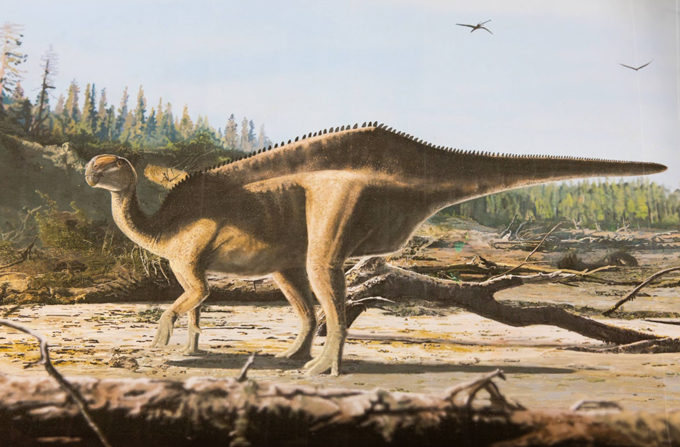
An example of a small cacti.

A small cactus. Around 1,750 species have been described. Picture credit: Everything Dinosaur.
Picture credit: Everything Dinosaur

When Did Cacti Evolve?

Team members are not aware of any definitive Cactaceae fossils having been found. It is difficult to establish their evolutionary origins. However, the geographical distribution of cacti can offer a clue. Wild cacti are found in South America and the southern parts of North America. This suggest that the cacti family evolved after the fragmentation of Gondwana and the splitting off of South America from the rest of the landmass. This suggest that the ancestors of today’s cacti evolved in the Early Cretaceous.

In contrast, molecular studies suggest that the Cactaceae are a more recent lineage of angiosperms. These studies suggest that the first cacti evolved during the late Eocene or early Oligocene Epochs. During this time, it is thought that the world became drier. The increased aridity led to a decline in forest habitats, and this may have helped fuel the evolution of plants adapted for water conservation.

Commenting on the research, co-author Dr Nick Priest (University of Bath) explained:

“Our work shows that cacti are not as successful as we thought, and are more vulnerable to climate change. This is concerning – if cacti can’t thrive in our changing climate, what chance do other plants have?”

The research team included scientists from the University of Reading, the Desert Botanical Garden (Phoenix, Arizona) and the Tecnológico Nacional de México (Mexico).

For a recent article highlighting the discovery of nine new species of ancient grapes: Nine New Species of Fossil Grape Identified in Study.

Everything Dinosaur acknowledges the assistance of a media release from the University of Bath in the compilation of this article.

The scientific paper: “Identifying the multiple drivers of cactus diversification” by Jamie B. Thompson, Tania Hernández-Hernández, Georgia Keeling, Marilyn Vásquez-Cruz and Nicholas K. Priest published in Nature Communications.

The Everything Dinosaur website: Prehistoric Animal Toys.

21 08, 2024

Bromacker Fossil Site Excavations Successful

By |2024-08-22T15:46:36+01:00August 21st, 2024|Categories: Palaeontological articles|0 Comments

The summer excavations at the world famous Bromacker fossil site in Germany have concluded. Hundreds of new fossil discoveries have been recorded.  The Bromacker Lagerstätte is considered one of the most important fossil sites in Germany. An international research team, consisting of experts in palaeontology, geology, fossil preparation and collection management have been working at the site for four weeks. They have unearthed amazing fossil discoveries.  New finds include vertebrate fossil remains, trace fossils, ancient crustaceans, plant imprints and insect wings.  In addition, over the course of the dig programme the scientists received over 2,300 visitors.  Members of the public taking an active interest in the exploration of deposits laid down in the Permian.

Bromacker fossil site excavations (summer 2024).

Field team members working at the famous Bromacker fossil site. Picture credit: Anastasia Voloshina/Museum für Naturkunde, Berlin.

Picture credit: Museum für Naturkunde (Berlin)

The Remarkable Bromacker Fossil Site

Researchers from the Museum für Naturkunde Berlin, the Friedenstein Foundation Gotha, the Friedrich Schiller University Jena and the UNESCO Global Geopark Thuringia Inselsberg – Drei Gleichen are involved in the project.  The fossils are approximately 290 million years old.  They present a record of a unique Palaeozoic ecosystem. The exceptionally well-preserved fossils provide information on the development of early terrestrial vertebrates.  New finds include fragments of a skull incorporating a jaw with long, thin teeth.

Since 2020, over three hundred and fifty finds have been documented each year. New taxa have been described based on Bromacker fossil site discoveries. For example, two recent early vertebrates have been named (Bromerpeton subcolossus and Diadectes dreichgleichenensis).

To read about the discovery of B. subcolossusA New Lower Permian Amphibian is Named.

To learn more about Diadectes dreichgleichenensis: A Newly Described Early Tetrapod from the Bromacker Fossil Site.

Project and excavation manager Professor Jörg Fröbisch, from the Museum für Naturkunde, Berlin was very pleased with this season’s finds.

The professor commented:

“This year’s excavation at Bromacker was once again a complete success and far exceeded our expectations. The finds include numerous and varied trace fossils of invertebrates and vertebrates, including walking, swimming, scratching tracks and burrows.  By discovering and researching the prehistoric dinosaur bones and small skeletons, trace fossils, prehistoric crustaceans, plant imprints and insect wings, we hope to gain further insights into the entire ecosystem at Bromacker 290 million years ago.”

Piecing Together the Palaeoclimate

Some of the small invertebrate and plant remains are particularly significant.  For example, the crustaceans found are reminiscent of extant forms that live in temporary pools and puddles.  Therefore, if they occur in clusters in the Bromacker deposits, it can be inferred that these remains represent evidence of flooding.  The plant root finds indicate that other parts of the Bromacker fossil site were not as prone to flooding events.

The scientists hope to publish several papers based on these new, exciting fossil discoveries.

Everything Dinosaur acknowledges the assistance of a media release from the Museum für Naturkunde, Berlin in the compilation of this article.

The award-winning website of Everything Dinosaur: Dinosaur Models and Toys.

13 08, 2024

A New Titanosaur from Patagonia

By |2024-08-15T11:26:01+01:00August 13th, 2024|Categories: Palaeontological articles|0 Comments

Earlier this year, researchers revealed the discovery of a new titanosaur from Patagonia.  The dinosaur named Titanomachya gimenezi comes from northern Chubut Province in central Patagonia. Several titanosaur taxa have been reported from northern Patagonia, as well as few titanosaurs from southern Patagonia. However, titanosaurs from the end-Cretaceous of central Patagonia are poorly known. The fossil specimen represents an adult animal. It is described as a small-bodied saltasauroid. However, despite being small by titanosaur standards, it has been estimated that Titanomachya weighed around 8 tonnes (weight estimates range from 5.8 to 9.8 tonnes).

A life reconstruction of Titanomachya gimenezi.

Titanomachya gimenezi life reconstruction. Picture credit: Gabriel Diaz.

Picture credit: Gabriel Diaz

Fossils from the La Colonia Formation

The fossils come from La Colonia Formation and the research team consisted of Agustín Pérez Moreno, Leonardo Salgado, José Luis Carballido, Alejandro Otero, and Diego Pol. These eminent researchers herald from a variety of Argentinian institutions including the Museo de La Plata (MLP), the Museo Paleontológico Egidio Feruglio (MEF) and the Fundación Félix de Azara-Universidad Maimónides.

Titanomachya gimenezi fossil excavation.

Titanomachya gimenezi fossil excavation. Picture credit: Vincent Brusca.

Picture credit: Vincent Brusca

The strata in which the fossils were found date from the Upper Cretaceous (Maastrichtian faunal stage).  This indicates that Titanomachya gimenezi roamed this part of Gondwana around seventy million years ago.  The genus name is derived from the Titanomachy, a mythical battle fought by the Olympian gods against the Titans in Greek mythology.  In this battle, the Titans lost.  The name is appropriate and fitting since Titanomachya comes from the time when the titanosaurs were heading for extinction.  The species name honours the late Dr Olga Giménez.  Dr Giménez played a pivotal role in the study of vertebrate fossils found in central Patagonia.  She was the first palaeontologist to study the dinosaurs of the Chubut province.

Field team members excavating the fossils.

Field team members excavating the fossils. Picture credit: Vincent Brusca.

Picture credit: Vincent Brusca

Studying the Fossil Material

More than fifteen scientists have been involved in the field work.  The excavation work was carried out over two years and the fossil material found consists of elements from the limbs along with fragments of ribs and a caudal vertebra.  Once exposed, the fossils were jacketed with burlap and plaster and sent to the MEF laboratories for preparation.

Skeletal reconstruction of Titanomachya gimenezi.

Skeletal reconstruction of Titanomachya gimenezi. The bones coloured blue represent the known fossil material. Picture credit: Gabriel Lio.

Picture credit: Gabriel Lio

This newly described titanosaur is the smallest known from central Patagonia.  Titanomachya (pronounced tie-tan-om-mack-ee-ah), may have measured around ten metres long when fully grown.  It was similar in size to Neuquensaurus australis and Saltasaurus loricatus, to which it was closely related.  The research team identified several unique autapomorphies which allowed them to confidently erect a new taxon.  For example, the astragalus (bone from the ankle), demonstrates unique morphology.  It shows intermediate traits between the Saltasauroidea titanosaurs and the Colossosauria clade of titanosaurs.  These autapomorphies highlight the significance of this discovery as it provides an evolutionary link between different types of sauropod.

Furthermore, phylogenetic studies have demonstrated that Titanomachya is a derived titanosaur. It is a member of the great Saltasauroidea lineage.

Titanomachya gimenezi fossils exposed on the surface.

Titanomachya gimenezi fossils exposed on the surface. Picture credit: Vincent Brusca.

Picture credit: Vincent Brusca

Titanomachya gimenezi and the South America Titanosaur Biota

The La Colonia formation has also yielded the famous theropod Carnotaurus as well as other material.  Fossils representing other carnivorous dinosaurs have been discovered.  For instance, the recently described abelisaurid Koleken (K. inakayali).

To read more about Koleken: A New Abelisaurid from Southern Argentina.

In addition, the remains of ornithischian dinosaurs have been found.  However, Titanomachya gimenezi represents one of only a handful of defined taxa and the first sauropod known from this formation.  This discovery sheds light on the diversity of the region’s ecosystems at the very end of the Age of Dinosaurs.  Moreover, it provides crucial data regarding the composition of sauropod populations in Patagonia during the Maastrichtian.

The researchers postulate that distinct sauropod faunas existed in different parts of Patagonia and also in Brazil over the Campanian and Maastrichtian Epochs. In northern Patagonia, aeolosaurines and saltasaurines dominated, whilst in southern Patagonia, the sauropod biota mostly comprised colossosaurians and other large titanosaurs. In contrast, the less well-known sauropod fauna from central Patagonia seems to have consisted of small-bodied saltasauroids such as Titanomachya along with members of the aeolosaurini and derived eutitanosaurs.

Titanomachya gimenezi life reconstruction.

Titanomachya gimenezi in its low-lying coastal habitat. Picture credit: Gabriel Diaz.

Picture credit: Gabriel Diaz

Further Research Planned

Summarising their research to date, the scientists suggest that Titanomachya provides a new perspective on the rich history of sauropods in Patagonia.  In addition, this unique specimen opens the door to future research that will explore the diversity and evolution of these amazing herbivores.

Everything Dinosaur acknowledges the assistance of corresponding author Dr Pérez Moreno CONICET (Consejo Nacional de Investigaciones Científicas y Técnicas), Buenos Aires, Argentina, in the compilation of this article.

The scientific paper: “A new titanosaur from the La Colonia Formation (Campanian-Maastrichtian), Chubut Province, Argentina” by Agustín Pérez-Moreno, Leonardo Salgado, José L. Carballido, Alejandro Otero and Diego Pol published in Historical Biology.

Visit the Everything Dinosaur website: Dinosaur Models and Toys.

8 08, 2024

The Remarkable Wollemi Pine

By |2024-08-25T08:11:57+01:00August 8th, 2024|Categories: Palaeontological articles|0 Comments

During a short visit to Cambridge, Everything Dinosaur team members were able to examine a specimen of the remarkable Wollemi pine (Wollemia nobilis). This tree is regarded as a “living fossil”.  However, its fossil record is extremely poor and scientists are uncertain of its phylogeny.  What is certain, is that this gymnosperm is exceptionally rare.

In 1994, a small grove of fewer than a hundred Wollemi pines were found in a deep gorge in the Blue Mountains (New South Wales). The location remains a secret as this sheltered area is the only known habitat for these remarkable trees. This amazing discovery sparked a global effort to study and conserve the Wollemi pine, which is now considered one of the rarest trees on the planet. Two Wollemi pines have been potted into large planters flanking the glasshouses at the Cambridge University Botanic Gardens. In addition, a third specimen is located close to another ancient type of tree, a Dawn Redwood.

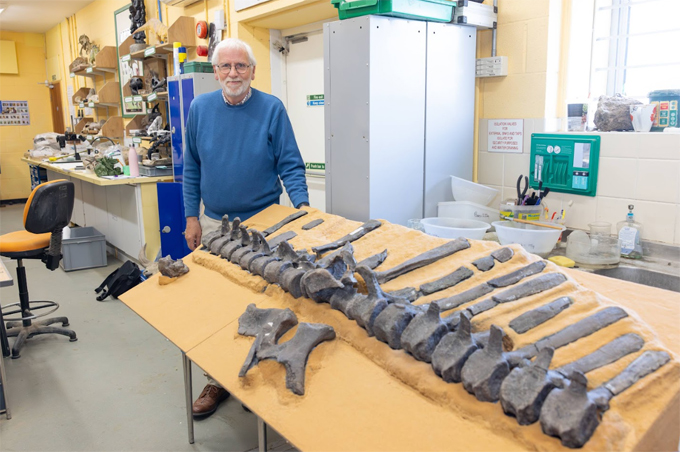
Wollemia nobilis (Wollemi pine).

A young Wollemi pine (Wollemia nobilis) at the Cambridge University Botanic Garden. Picture credit: Everything Dinosaur.
Picture credit: Everything Dinosaur

The Extremely Rare Wollemi Pine

Ironically, the Wollemi pine (Wollemia nobilis) is not a pine.  It is thought to be a member of the Araucariaceae, a family of coniferous trees with three living genera, Agathis, the Wollemi pine and the Araucaria (monkey puzzle tree).   These trees flourished during the Mesozoic. They had a global distribution, although these days they are mostly confined to the Southern Hemisphere.  Wollemia nobilis shares several characteristics with both Araucaria and Agathis. Genetic studies have proved controversial, as they lacked consistency of method. However, many palaeobotanists consider Wollemia nobilis as a sister taxon to Agathis within the Araucariaceae and therefore more closely related to Agathis than it is to Araucaria.

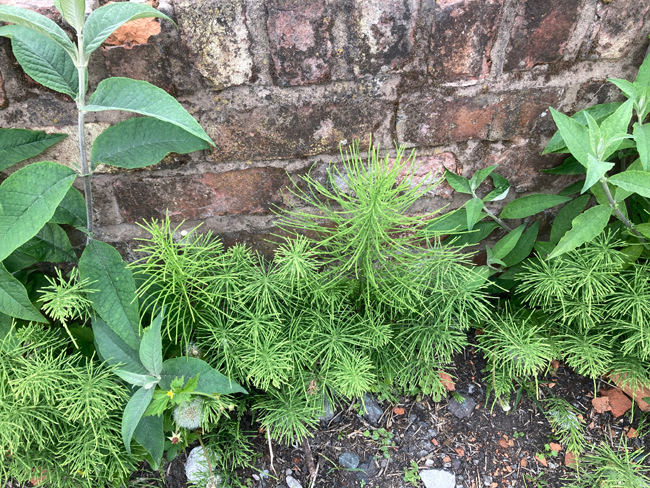
A collection of prehistoric plants including ferns, horsetails and a Wollemi pine.

A piece of plant prehistoric history. A small Wollemi pine surrounded by ferns and horsetails. These are ancient plants representing taxa that evolved before flowering plants. Picture credit: Everything Dinosaur.
Picture credit: Everything Dinosaur

Models of Prehistoric Plants

For dinosaur model fans and collectors keen to build dioramas, there are not that many prehistoric plant models.  Safari Ltd used to include three prehistoric plant models within their range (Tree fern, Agathis and a Cycad). Sadly, all three of these figures have been retired.  Thankfully, diorama builders can rely on CollectA to provide models of prehistoric plants.  The company has introduced replicas of many prehistoric trees and plants.  For instance, CollectA have made a replica of Williamsonia, an example of a member of the Bennettitales Order of seed plants.

The CollectA Williamsonia plant.

The CollectA Williamsonia prehistoric plant, a great addition to dinosaur dioramas.

To view the CollectA not-to-scale model range: CollectA Prehistoric Life Models.

Mike from Everything Dinosaur commented:

“It was fascinating to learn more about the remarkable Wollemi pine.  The Cambridge University Botanic Gardens are amazing.  We are so pleased that model makers and diorama builders still have the CollectA prehistoric plants to help them with their prehistoric landscapes.”

The award-winning Everything Dinosaur website: Prehistoric Animal and Plants Models.

Go to Top