

At Everything Dinosaur, we help our customers. We received an enquiry asking about whether small dinosaurs possessed eye spots to frighten potential predators. An explanation was provided, we can only speculate but we tried to give an explanation of deimatic display and aposematism. Let’s define these terms.
- Deimatic display (deimatism) – this is a defensive behaviour. An animal suddenly reveals bold, striking patterns and colours such as eyespots. They intimidate and startle a potential predator. The sudden flash of a pattern or bold colour surprises the would-be attacker.
- Aposematism is another defensive strategy in which an animal uses conspicuous colours, patterns, or sounds to warn predators that it is toxic, venomous, unpalatable, or capable of defending itself. The signal is persistent reducing the likelihood of attack through predator learning rather than surprise.
The eyespots on the frill of the PNSO Torosaurus model are an example of aposematism. These prominent patterns might deter a theropod dinosaur.
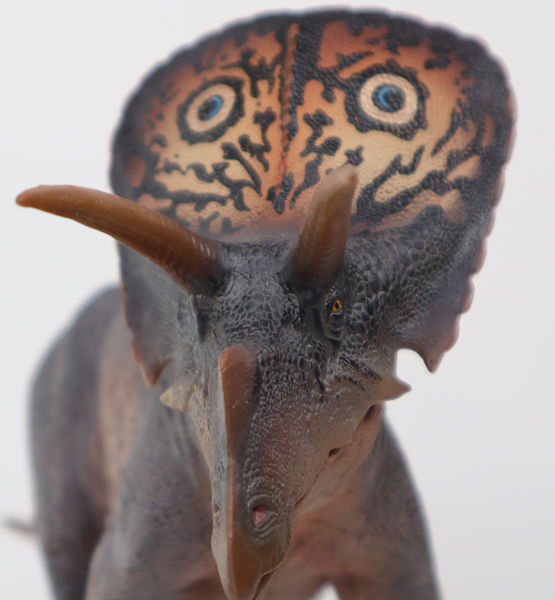
The PNSO Torosaurus 1:35 scale dinosaur model (Aubrey) shown in anterior view. The headshield eyespots and spectacular colouration of this figure are highlighted. Picture credit: Everything Dinosaur.
Picture credit: Everything Dinosaur
To view the range of PNSO prehistoric animal models in stock: PNSO Age of Dinosaurs Models.
Deimatic Display and Aposematism
Animals use colour to survive. Two important strategies are deimatic display and aposematism. They are essentially defensive strategies. Deimatic display (deimatism) relies on surprise. An animal suddenly reveals bold colours or eyespots. This moment of shock creates a chance to escape. Many moths and butterflies use this tactic today. The bright colours, usually on the wings, stay hidden until danger appears.
Aposematism is different. It works all the time. Bright colours warn predators in advance. The signals provide information. For example, “I am not good to eat” or “I am venomous”. These colours are honest warnings, although mimicry also exists in the natural world.
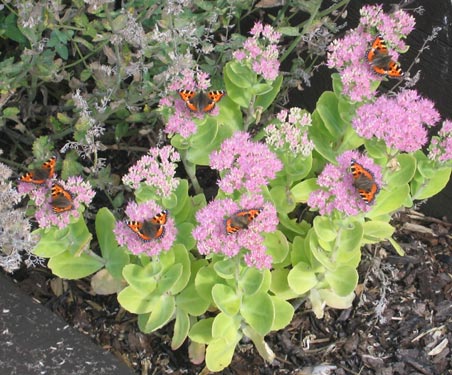
Butterflies demonstrating deimatism. Bright colours and patterns to deter predators. The flashing of their wings cause surprise and startle a potential attacker such as a bird. Picture credit: Everything Dinosaur.
Picture credit: Everything Dinosaur
Mike from Everything Dinosaur commented:
“We hope our explanations are helpful. When we consider extinct archosaurs, colouration becomes intriguing. Fossil evidence indicates some archosaurs had complex pigmentation. Some species may have used warning colours. Others may have flashed colours during threat displays. We cannot yet be certain. However, these strategies likely evolved long before modern animals appeared.”
The Everything Dinosaur website: Prehistoric Animal and Dinosaur Models.


Leave A Comment